Turkey Aims for 200,000 Tons of Salmon by 2030
Turkey plans to significantly boost salmon production to 200,000 tons and exports to $1 billion by 2030, focusing on both domestic and international markets.
Cuneyd Erdogan ·
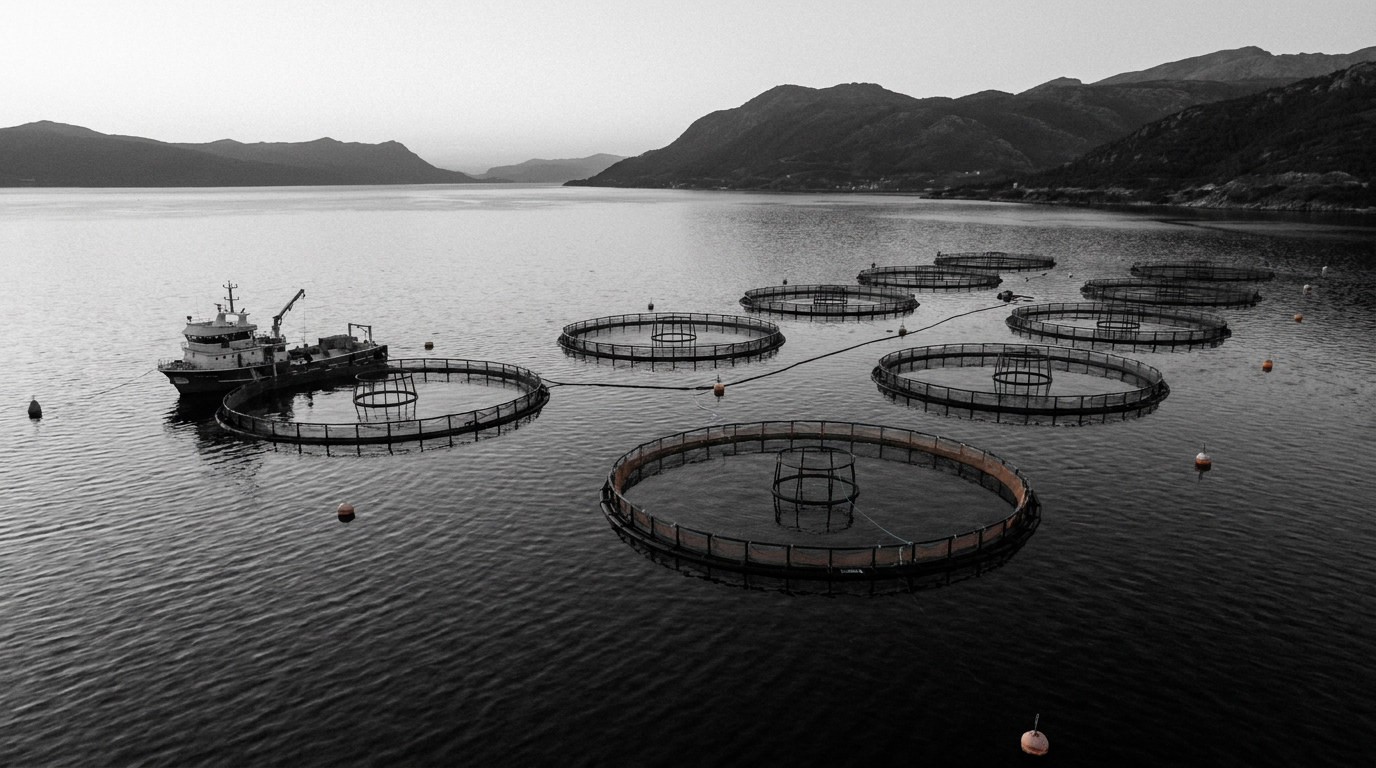
Turkey's Ambitious Salmon Production Goals
Turkey's aquaculture sector is setting ambitious targets for its farmed salmon, often marketed as "Turkish salmon." The industry aims to achieve a production volume of 200,000 tons by 2030. This expansion is projected to double current output and elevate export revenues to $1 billion within the same timeframe.
Osman Parlak, who chairs the Samsun and Sinop Aquaculture Producers' Association, indicated that domestic consumption is also slated for a substantial increase, targeting 50,000 tons by 2030.
Reports indicate that in 2025, Turkish salmon production reached 115,000 tons. Of this, 100,000 tons were exported, generating $520 million in revenue, while the remaining 15,000 tons were consumed domestically.
Driving Growth and Market Expansion
A significant portion of this production originates from the Samsun and Sinop regions. Industry representatives highlight that new investments are fueling this growth, positioning salmon as an increasingly vital component of the country's seafood exports. Achieving these targets will depend heavily on the speed of new capacity deployment, robust biosecurity measures, and the development of logistics and cold chain infrastructure.
On the demand side, a primary objective is to expand the domestic market. The sector is actively working to boost consumption in retail and hospitality by ensuring consistent supply and stable pricing. Promotional activities are also a key part of this strategy.
Export Strategy and Market Dynamics
Turgay Türkyılmaz, Director General of Fisheries and Aquaculture, noted that in 2025, salmon exports reached approximately $500 million across 32 countries. The $1 billion export target hinges not only on increased production but also on enhancing the value of processed products and maintaining market consistency.
While increasing market share abroad offers significant foreign exchange earning potential for Turkish companies, profitability remains influenced by input costs such as feed, energy, and logistics, alongside biological risks. Financing conditions, the timing of capacity investments, and return on investment periods are critical factors for industry players.
Local Initiatives and Future Outlook
To stimulate domestic consumption, the "1st Turkish Salmon Harvest Festival" was held in Yakakent, Samsun, drawing over 10,000 attendees. Plans are also underway to establish Turkey's first specialized aquaculture organized industrial zone in Yakakent.
The feasibility of the 2030 goals will be closely monitored, with particular attention to investment timelines, the operational speed of new facilities, and pricing conditions in export markets.