Lebanon's Economy Faces 6.4% Contraction Amid Regional Conflict
Lebanon's economy is projected to shrink by 6.4% in 2026, driven by regional conflicts and reversing 2025 growth, the World Bank forecast.
Atlas Newsdesk ·
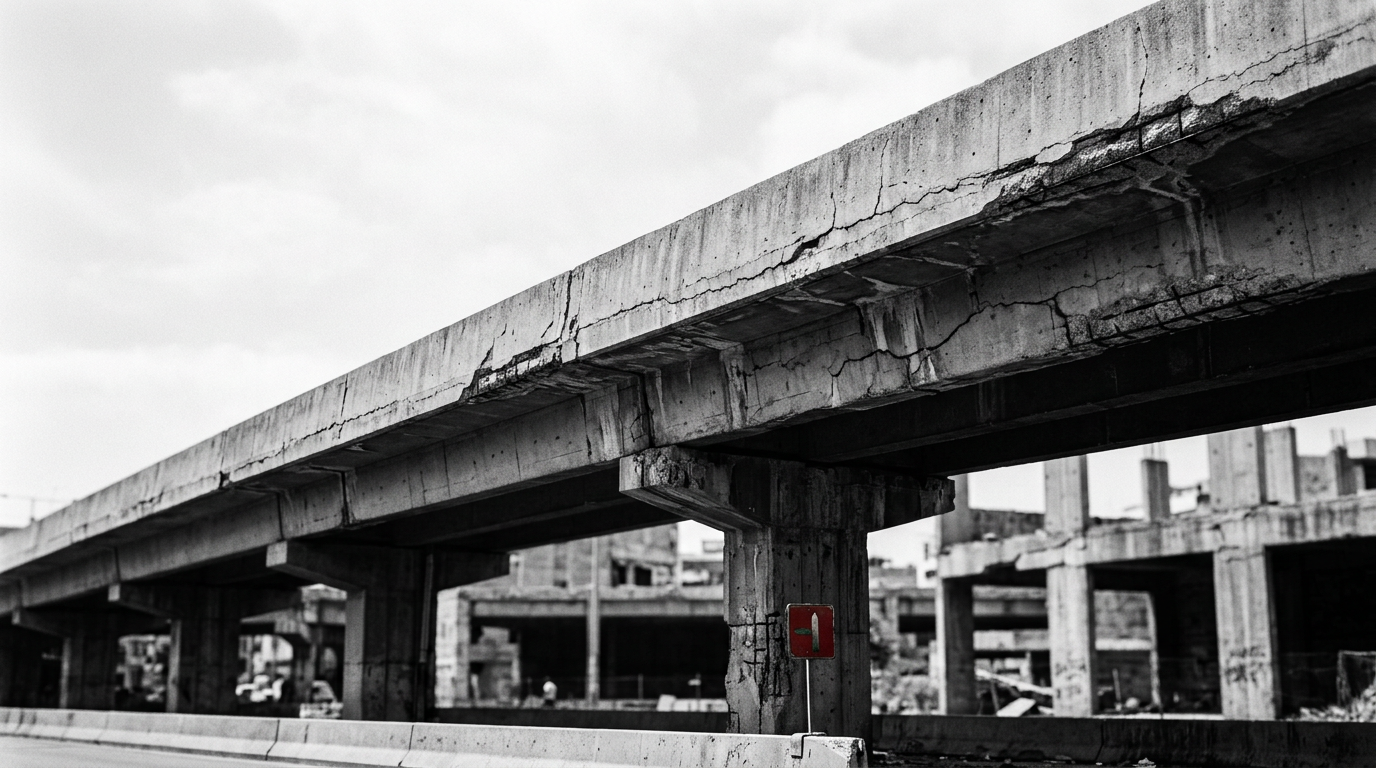
Lebanon's economy is expected to contract by 6.4 percent in 2026, marking a significant reversal after a period of expansion. This forecast, detailed in the World Bank's Summer 2026 Lebanon Economic Monitor, attributes the anticipated downturn primarily to intensifying regional conflicts. The projection stands in stark contrast to the country's economic performance in 2025, which saw a 4.2 percent expansion. This growth represented the most robust economic rebound since the severe financial crisis that began in 2019.
A substantial escalation of hostilities in March 2026 is identified as a critical inflection point. This period led to widespread damage to both infrastructure and residential areas throughout the nation, exacerbating existing economic vulnerabilities. The World Bank report underscores the deep impact of external factors on Lebanon's fragile recovery efforts.
Impact of Heightened Instability
The elevated conflict has caused severe disruptions across vital supply chains, according to the international financial institution. This instability has significantly hampered Lebanon's crucial tourism sector and resulted in a noticeable decline in domestic consumption. These factors collectively contribute to the projected economic contraction, effectively reversing earlier signs of recovery and placing renewed pressure on various industries.
A direct consequence of the ongoing instability is a projected acceleration in inflation, which could reach 17.5 percent. This inflationary trend is fueled by considerable volatility in fuel prices and a notable increase in shipping costs. Such economic pressures strain the purchasing power of Lebanese households and challenge the operational viability of businesses already grappling with previous crises.
Banking Sector Reforms and Challenges
The World Bank report emphasizes the urgent requirement for comprehensive structural reforms to prevent further economic deterioration. Key recommendations include a thorough restructuring of the banking sector and a significant improvement in overall fiscal management. These measures are considered essential for establishing a more stable and resilient economic foundation for Lebanon, aiming to address systemic weaknesses.
In a related legislative development, the Lebanese Parliament recently enacted amendments to the bank resolution law. This legislative action seeks to address difficulties posed by failing financial institutions and to safeguard the broader financial system from systemic risks. This indicates internal efforts to stabilize the financial landscape amidst ongoing turmoil, though their effectiveness remains to be seen against regional pressures.
Path Towards Long-Term Stability
Despite legislative actions and a clear understanding of the underlying economic issues, analysts stress that any sustainable long-term recovery for Lebanon remains contingent on two crucial, interconnected factors. These include a cessation of regional hostilities and the establishment of a stable domestic political environment. The intermittent nature of conflict and persistent political uncertainty continue to deter both foreign and domestic investment, vital for reconstruction.
Furthermore, this volatile environment significantly impedes the country's capacity to effectively rebuild its economy and foster sustainable growth, while simultaneously eroding consumer confidence. The current economic forecast casts a substantial shadow over the earlier signs of recovery observed in 2025, indicating that external geopolitical pressures, combined with internal political fragilities, are profoundly impacting Lebanon's trajectory towards stability and prosperity. Both the international community and local authorities face the complex task of collaboratively addressing these multifaceted issues to avert further economic deterioration and cultivate an environment conducive to sustained national development.