Extreme heat disrupts EU power, rivers, and GDP outlook
Extreme heatwaves across Europe are constraining power and inland shipping, with an assessment flagging up to a €180 billion EU GDP risk.
Atlas Newsdesk ·
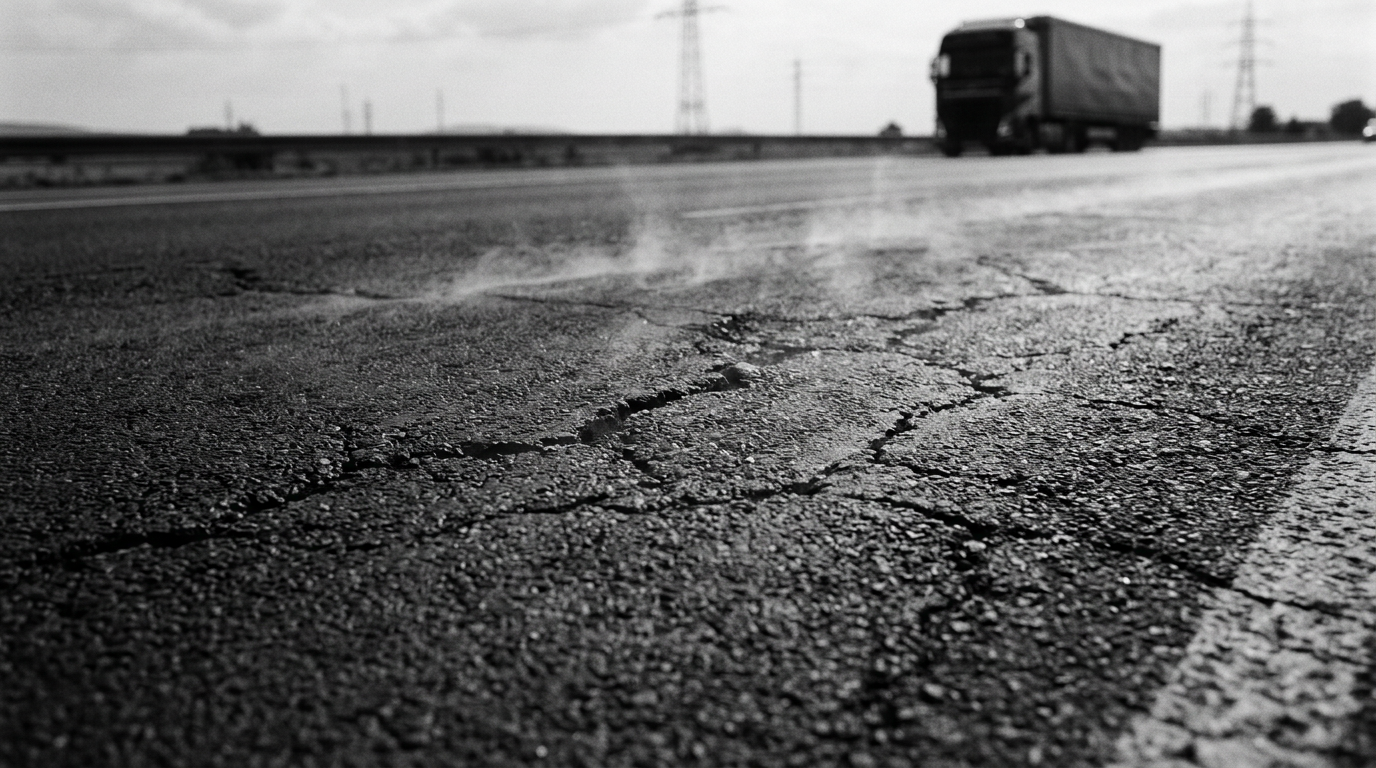
Extreme heatwaves across Europe are disrupting critical infrastructure and weighing on parts of the economy, according to an assessment that links the shock to limits in electricity generation, inland shipping, and heat-sensitive activity.
The assessment estimates a potential €180 billion reduction in EU GDP, while emphasising that the scale and nature of the risk vary sharply by country. It says disruptions are most visible in sectors that rely on stable temperatures and dependable water availability to keep operating normally.
Heat strain spreads across energy and transport systems Heat strain spreads across energy and transport systems Officials and analysts cited in the assessment describe Officials and analysts cited in the assessment describe a recurring pattern across affected regions: in some areas, power output is being capped by heat-related constraints, while transport networks are running into capacity limits that spill over into supply chains. As inland routes become less reliable, the assessment says delays and higher costs are emerging. It adds that the pressure is both operational and financial, as companies change inventories, sourcing decisions, and scheduling when shipments cannot move as planned. The assessment frames these disruptions as a channel through which extreme heat can translate into broader economic costs, particularly when freight corridors or large-scale generation assets face restrictions during periods when demand is high.
France faces nuclear output limits as rivers warm
France is described as facing the most acute France is described as facing the most acute energy security stress in the assessment, with high river temperatures forcing nuclear power plant shutdowns. Under those conditions, it says as much as 15% of nuclear capacity could be offline. The assessment projects that the resulting loss of output could reduce France’s national GDP by 1.4 percentage points. Officials and analysts cited also connect weaker growth to added difficulty for fiscal consolidation, noting that slower activity can complicate budget planning. Germany’s Rhine shipping constraints raise costs In Germany, the assessment places the economic strain on industrial supply chains as record-low water levels on the Rhine restrict shipping volumes. The river is highlighted as a key corridor for coal, oil, and chemical products. With reduced waterway capacity, the assessment says logistics costs are increasing and warns that this could threaten production output for energy-intensive industries that depend on predictable deliveries. It describes the disruption as an operational constraint that can force changes in procurement and plant scheduling.
Italy and Spain see more localised sector pressures
Italy and Spain are portrayed as facing more Italy and Spain are portrayed as facing more sector-specific stress, with the largest pressures falling on agriculture and tourism rather than economy-wide power or logistics chokepoints.
In Spain, tourism spending is described as resilient despite heatwave conditions. In Italy, the assessment says agricultural losses are increasing, with implications for long-term commodity output and sector stability.
EU-wide costs highlighted, but key uncertainties remain Across the EU, the €180 billion GDP-risk estimate is presented as an indicator of how extreme heat can generate macroeconomic costs when it constrains power generation, interrupts freight corridors, and damages heat-sensitive production.
The assessment also points to divergence across member states linked to differences in energy mixes, reliance on inland waterways, and the weight of climate-sensitive sectors. It says major uncertainties include the duration and geographic reach of the heat, how long river conditions persist, and whether disruptions remain intermittent or turn into sustained limits during peak demand periods.