Mojtaba Khamenei Named Iran's New Supreme Leader
Mojtaba Khamenei, 56, has been named Iran's new Supreme Leader, marking a significant shift in the nation's leadership succession.
Lauren Collins ·
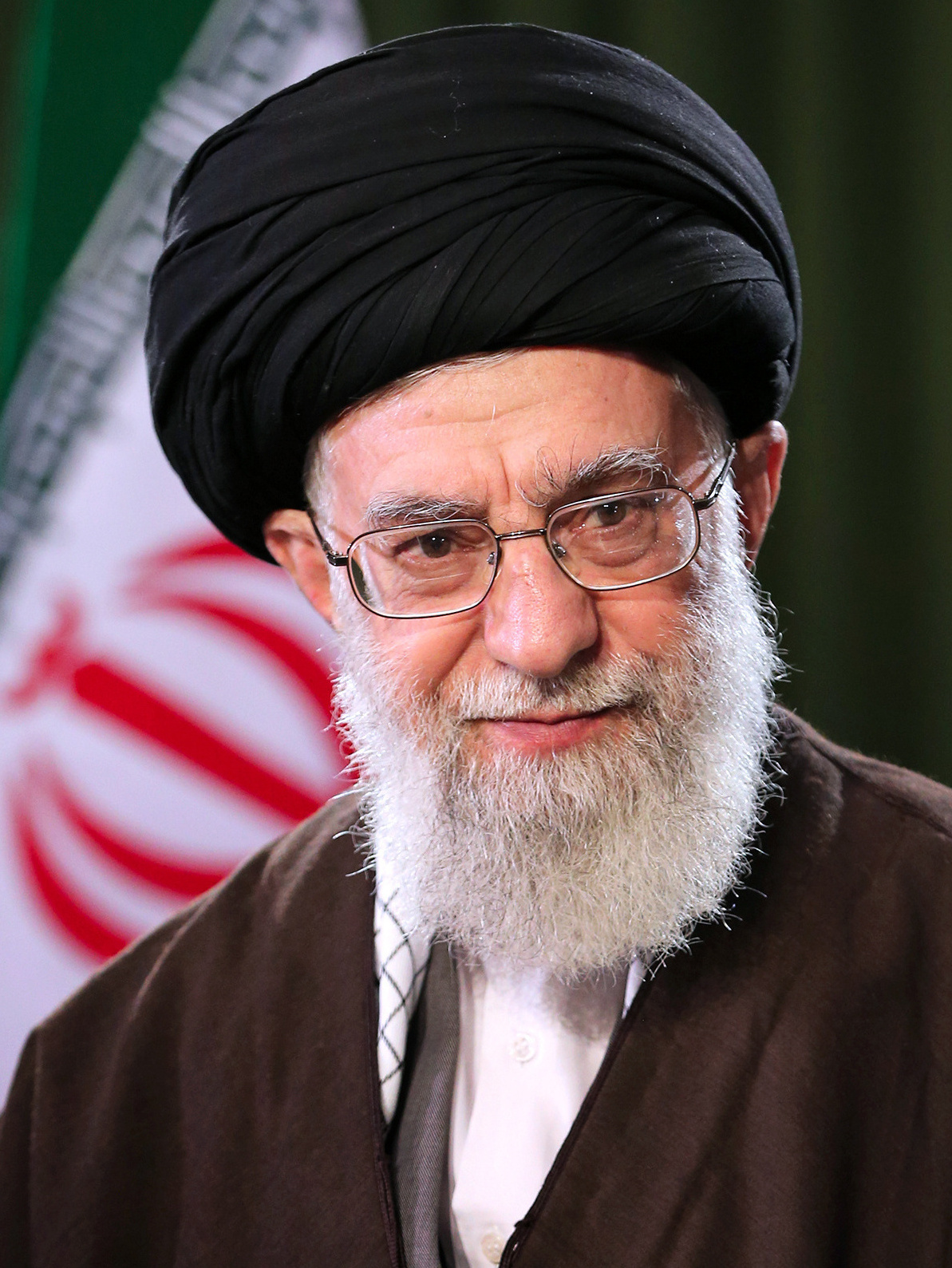
Mojtaba Khamenei, 56, has been designated as Iran's next Supreme Leader, succeeding his father, the late Ayatollah Ali Khamenei. This transition follows reports of his father's death due to alleged US-Israeli strikes. The appointment signifies a notable departure from the Islamic Republic's foundational principles, which traditionally prioritize religious merit and revolutionary credentials over hereditary succession.
Historically, the Islamic Republic has emphasized a non-hereditary leadership model. The elevation of Mojtaba Khamenei, who has largely maintained a private existence without holding formal government positions or delivering public addresses, has generated considerable discussion regarding his influence within the Iranian political structure.
His selection is particularly contentious given the regime's ideological roots, which stress religious scholarship and demonstrated leadership capabilities as prerequisites for the highest office.
Succession and Legitimacy Challenges
Speculation surrounding Mojtaba Khamenei's potential succession has persisted for an extended period. Despite his father's previous reservations about his candidacy, recent media reports and official statements have increasingly referred to him with the honorific "Ayatollah." This linguistic shift may be an effort to bolster his religious standing, mirroring the precedent set in 1989 when Ali Khamenei was rapidly promoted to Ayatollah upon assuming the Supreme Leadership.
Mojtaba Khamenei's public profile first gained prominence during the 2005 presidential election. At that time, he faced allegations of interference aimed at securing Mahmoud Ahmadinejad's victory. Similar accusations resurfaced during the 2009 election, which triggered widespread protests and led to the imprisonment of a former deputy interior minister who attributed his incarceration to Mojtaba's influence.
Policy Outlook and Public Reaction
Observers anticipate that Mojtaba Khamenei's leadership will likely maintain the hardline policies characteristic of the current administration. However, he is expected to confront significant challenges in establishing the legitimacy of his rule. A primary concern will be addressing potential public discontent stemming from the perceived shift towards a hereditary system, which could undermine the revolutionary ideals upon which the Islamic Republic was founded.
The transition of power in Iran holds substantial implications for regional stability and international relations. The Supreme Leader holds ultimate authority over all major state policies, including foreign policy, military decisions, and the judiciary. Therefore, Mojtaba Khamenei's ascent could signal continuity in Iran's approach to global affairs, particularly concerning its nuclear program and regional proxy networks.
The internal dynamics of this succession will be closely monitored by international actors seeking to understand the future trajectory of Iranian governance.
Implications
Country Impact: The succession could challenge the Islamic Republic's founding principles of non-hereditary leadership, potentially leading to internal legitimacy issues and public discontent over the perceived shift towards a dynastic system.
Industry Impact: The continuity of hardline policies under the new leadership may impact sectors reliant on international trade and investment, particularly if it leads to sustained or increased geopolitical tensions and sanctions.
Market Impact: Global energy markets could experience volatility depending on the new leader's foreign policy stance and its implications for oil production, exports, and regional stability in the Middle East.