Iraqi Kurds Face Iran Pressure Over Militant Activity
Iraqi Kurdistan faces escalating pressure from Iran to prevent Iranian Kurdish militants from launching attacks, with Tehran threatening retaliation.
Lauren Collins ·
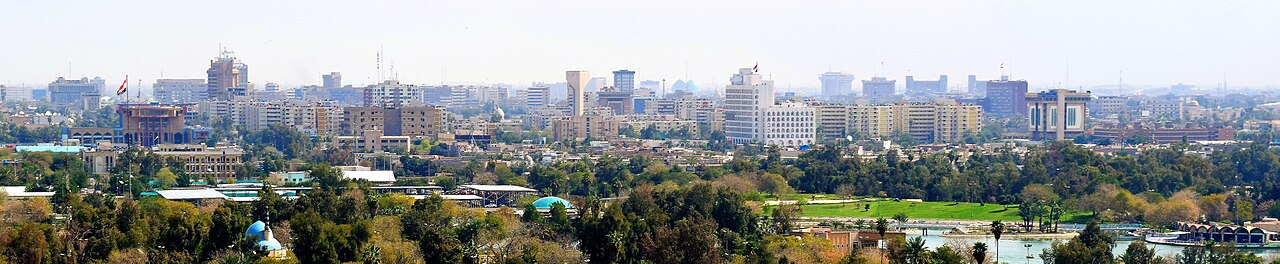
Iraqi Kurdistan is under increasing pressure from Iran to prevent Iranian Kurdish militant groups from operating within its borders. Tehran issued a public threat and a private warning on Friday, March 7, 2026, indicating that any attacks originating from the Kurdistan Region of Iraq (KRI) would provoke significant retaliation against KRI infrastructure.
Iran's Defense Council official, Ali Akbar Ahmadian, explicitly stated that if Iranian Kurdish groups or "Zionist regime elements" launch operations into Iran from the KRI, all facilities in the region would become targets. This warning was directly communicated to the Kurdistan Regional Government (KRG) by Iranian officials.
Kurdish Neutrality and Vulnerability
The Kurdistan Regional Government has expressed concerns about its vulnerability, particularly due to the absence of adequate air defense systems. This leaves the region susceptible to potential drone attacks, according to KRG officials.
Militant Groups and External Influence
While Israel is perceived by some as encouraging Iranian Kurds to engage in conflict, there has been no observable evidence of U.S. efforts to arm or incite such groups. The Peshmerga, the armed forces of Iraqi Kurdistan, have successfully prevented Iranian Kurdish militants from launching offensives from Iraqi territory to date.
Geopolitical Context and U.S. Stance
The situation highlights the delicate balance Iraqi Kurdistan must maintain between regional powers and its own security interests. The KRG's ability to manage these external pressures without escalating conflict remains a key challenge.
Implications
Country Impact: Iraqi Kurdistan faces heightened security risks and potential military action from Iran, impacting its stability and autonomy. The KRG's ability to control militant groups within its borders is under direct scrutiny.
Industry Impact: Potential military escalation could disrupt regional energy infrastructure and trade routes, affecting oil and gas operations in Iraqi Kurdistan and broader supply chains.
Market Impact: Increased geopolitical tensions in the Middle East could lead to volatility in global oil prices and impact investor confidence in regional markets, particularly those tied to energy production.