Mojtaba Khamenei Assumes Iran's Supreme Leadership
Mojtaba Khamenei has become Iran's Supreme Leader following his father's assassination on March 9, 2026, signaling policy continuity.
Lauren Collins ·
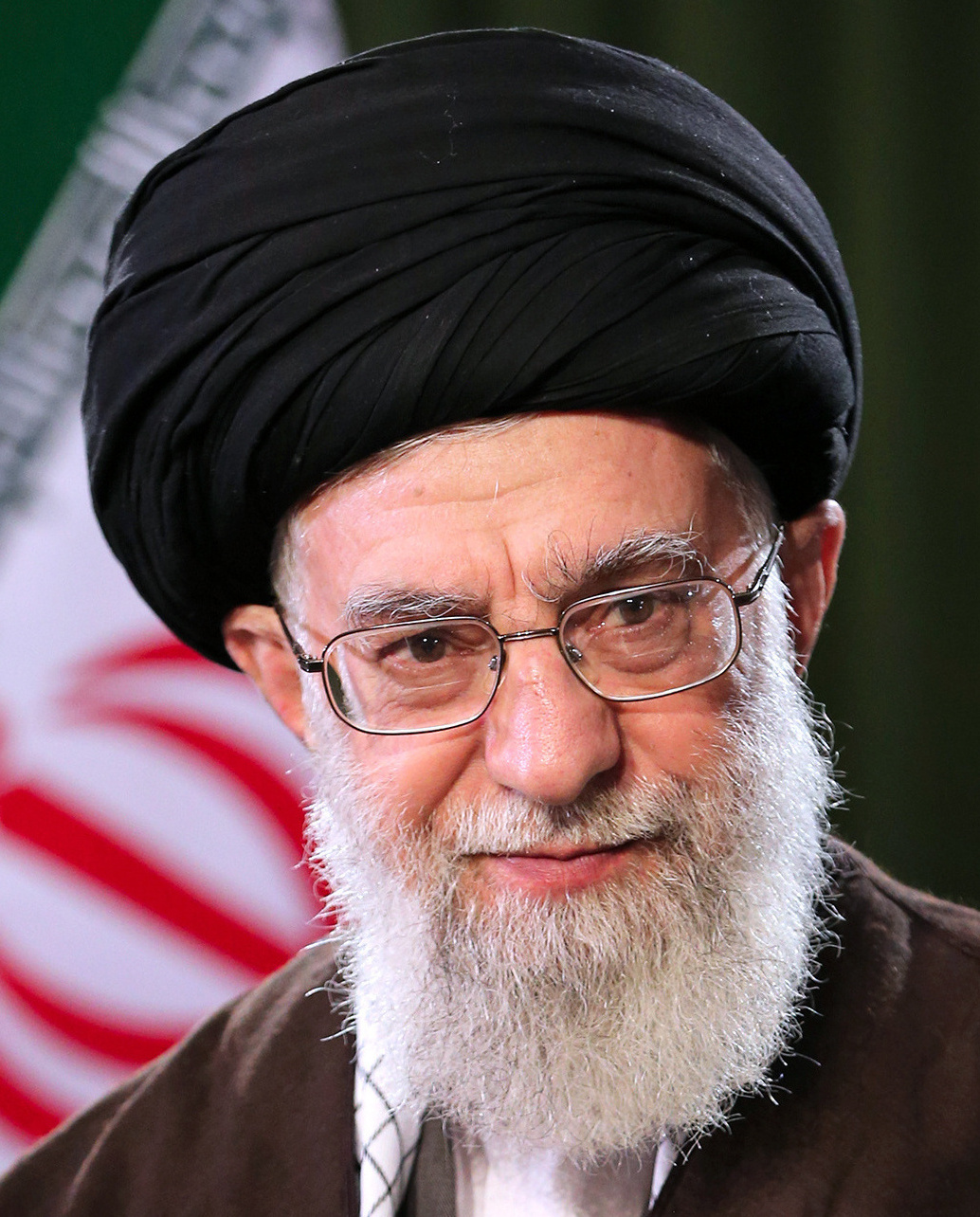
Mojtaba Khamenei has become Iran's new Supreme Leader, taking over from his father, Ayatollah Ali Khamenei. The transition follows the elder Khamenei's assassination on March 9, 2026. This succession marks a significant moment for Iran's political landscape, occurring amidst heightened regional tensions.
Leadership Transition in Tehran
The leadership change places Mojtaba Khamenei at the helm of Iran's political and religious authority. His ascension to the role of Supreme Leader indicates a likely continuation of the established political and ideological direction within the Islamic Republic. The Supreme Leader holds ultimate power in Iran, overseeing all major state policies, including foreign policy, military, and judicial affairs.
Context of Regional Tensions
This leadership shift unfolds against a backdrop of persistent geopolitical friction. Relations between Iran and the United States have remained strained for decades, characterized by disputes over Iran's nuclear program, regional influence, and sanctions. Similarly, tensions with Israel have been a constant feature of the regional security environment, often manifesting through proxy conflicts and rhetorical exchanges.
Historical Precedent and Succession
The position of Supreme Leader was established after the 1979 Islamic Revolution, with Ayatollah Ruhollah Khomeini as the first leader. Upon his death in 1989, Ayatollah Ali Khamenei was appointed as his successor. The current transition to Mojtaba Khamenei follows this established pattern of succession, albeit under unforeseen circumstances due to the assassination.
Implications for Domestic and Foreign Policy
Analysts suggest that Mojtaba Khamenei's leadership is expected to maintain the current conservative trajectory of Iranian domestic policy. This includes adherence to the principles of the Islamic Revolution and a focus on internal stability. In foreign policy, the continuity could mean a sustained approach to regional alliances and a firm stance against perceived external threats, particularly from the United States and Israel.
Global Market Considerations
Global markets, particularly oil and gas, often react to political developments in the Middle East. Any perceived instability or shift in Iran's foreign policy could influence energy prices and investor sentiment. The continuity in leadership, however, might mitigate immediate market volatility, as it suggests a predictable, albeit firm, policy direction rather than a radical departure.
Future Outlook
The coming months will be crucial in observing how Mojtaba Khamenei consolidates power and articulates his vision for Iran. His leadership will be closely watched for any subtle shifts in approach, especially concerning international diplomacy and regional security dynamics. The stability of the Iranian political system during this transition will be a key factor for regional and global observers.
Implications
Country Impact: Iran's domestic and foreign policies are expected to largely continue their current trajectory under the new Supreme Leader. This includes maintaining conservative principles and a firm stance on regional issues.
Industry Impact: The energy sector, particularly global oil and gas markets, will closely monitor developments for any potential impact on supply or pricing, though immediate volatility may be limited by leadership continuity.
Market Impact: Global financial markets may experience initial uncertainty, but the expectation of policy continuity could temper significant long-term shifts in investor sentiment regarding the region.