Mojtaba Khamenei Named Iran's New Supreme Leader
Mojtaba Khamenei has reportedly been named Iran's new leader amid escalating Middle East conflict, driving oil prices above $100.
Lauren Collins ·
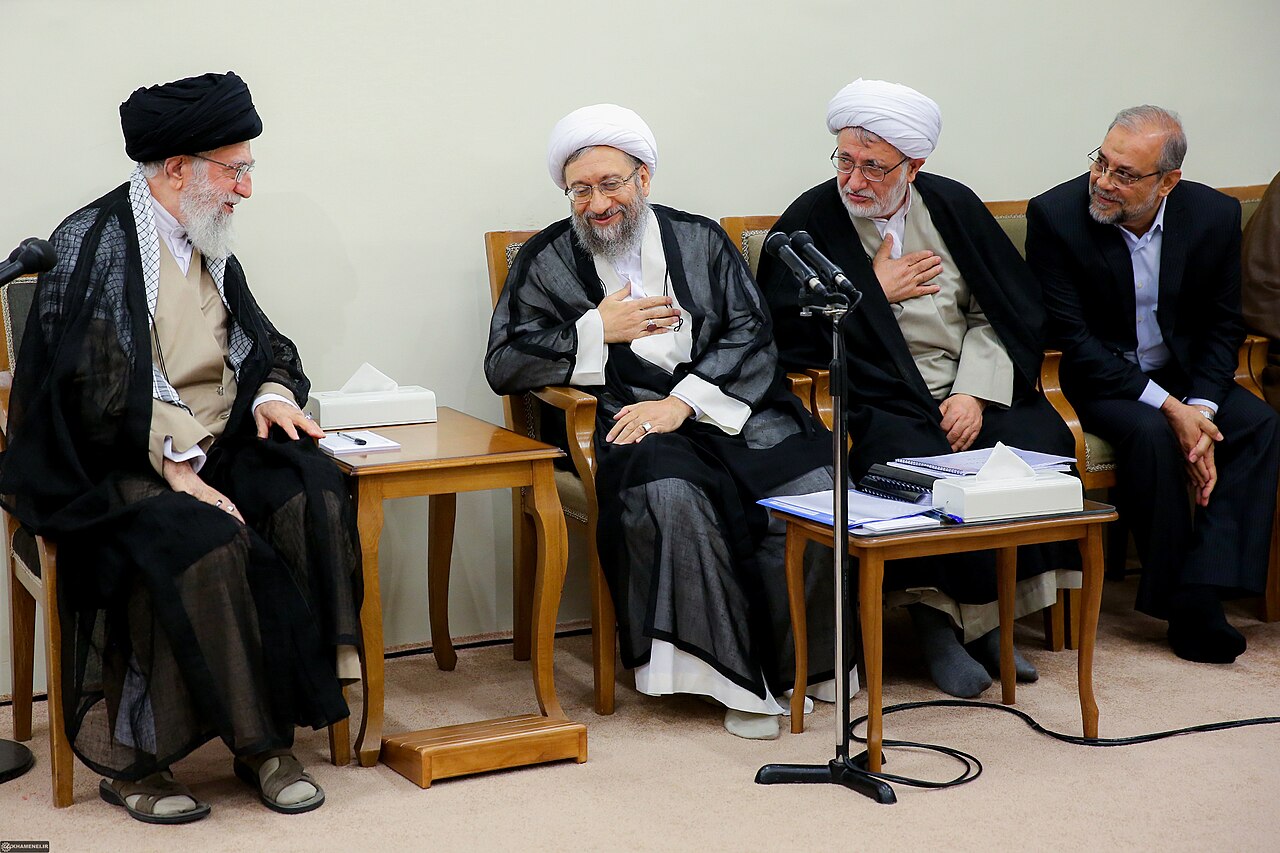
Mojtaba Khamenei, the second son of the former Supreme Leader Ayatollah Ali Khamenei, has reportedly been designated as the new leader of Iran. This leadership transition occurs amid heightened regional tensions and a broadening conflict across the Middle East, impacting international markets and geopolitical stability.
The succession comes at a critical juncture for Iran, with the broader Middle East experiencing significant unrest. The regional conflict has contributed to a notable increase in global energy prices, with crude oil surpassing $100 per barrel, a level not observed since 2022. This surge reflects concerns over supply disruptions and the potential for wider escalation.
Regional Instability and Economic Fallout
The ongoing conflict has had tangible economic consequences beyond oil markets. Reports indicate that liquefied natural gas (LNG) tankers, initially bound for European destinations, have been rerouted to Asian markets. This shift underscores the volatility in global energy supply chains and the strategic importance of energy security, particularly for nations like Great Britain, which recently reported critically low fossil gas reserves.
Humanitarian organizations have also documented the impact of the conflict. The World Health Organization (WHO) has confirmed damage to critical infrastructure within Iran, specifically noting attacks on healthcare facilities and educational institutions. These incidents highlight the severe human cost and long-term societal implications of the prolonged instability.
International Reactions and Diaspora Perspectives
The leadership change and regional developments have elicited varied responses globally. Public sentiment in the United Kingdom, for example, reveals a divided opinion regarding military actions in the region, with 49% opposing such interventions, 28% supporting them, and 23% remaining undecided. This demonstrates the complex international political landscape surrounding the Middle East crisis.
Within the Iranian diaspora, estimated to comprise between two and four million individuals worldwide, reactions to the leadership transition and the ongoing conflict are similarly diverse. This community exhibits a spectrum of emotions, ranging from fear and grief to political ambivalence, reflecting the profound personal and political stakes involved for those with ties to Iran.
Geopolitical Context and Future Outlook
The succession of Mojtaba Khamenei is a significant internal political event for Iran, potentially signaling continuity or shifts in the country's domestic and foreign policy. The timing, coinciding with a period of intense regional and international scrutiny, amplifies its importance. Analysts will closely monitor the new leadership's approach to the ongoing conflicts, its engagement with international powers, and its management of internal economic pressures.
The broader geopolitical implications extend to global trade routes, energy markets, and international diplomatic efforts to de-escalate tensions. The interplay between Iran's internal political dynamics and the external pressures from regional conflicts will be a defining factor in the coming months, influencing stability across the Middle East and beyond.
Implications
Country Impact: Iran's leadership transition could influence its domestic policies and regional foreign relations. The humanitarian impact within Iran, including damage to health and education infrastructure, suggests significant internal challenges.
Industry Impact: The energy sector faces heightened volatility, with oil prices rising and LNG supply chains being disrupted. This impacts global energy security and pricing, potentially leading to increased costs for consumers and industries.
Market Impact: Global financial markets are reacting to increased geopolitical risk, particularly in energy commodities. The rerouting of LNG tankers indicates supply chain vulnerabilities that could affect various sectors dependent on stable energy prices.