Oil Reserves Tapped as Strait Crisis Deepens
IEA members began a record 400M-barrel reserve release on March 11, 2026 after Iran’s Hormuz disruption pushed Brent above $100.
Atlas Newsdesk ·
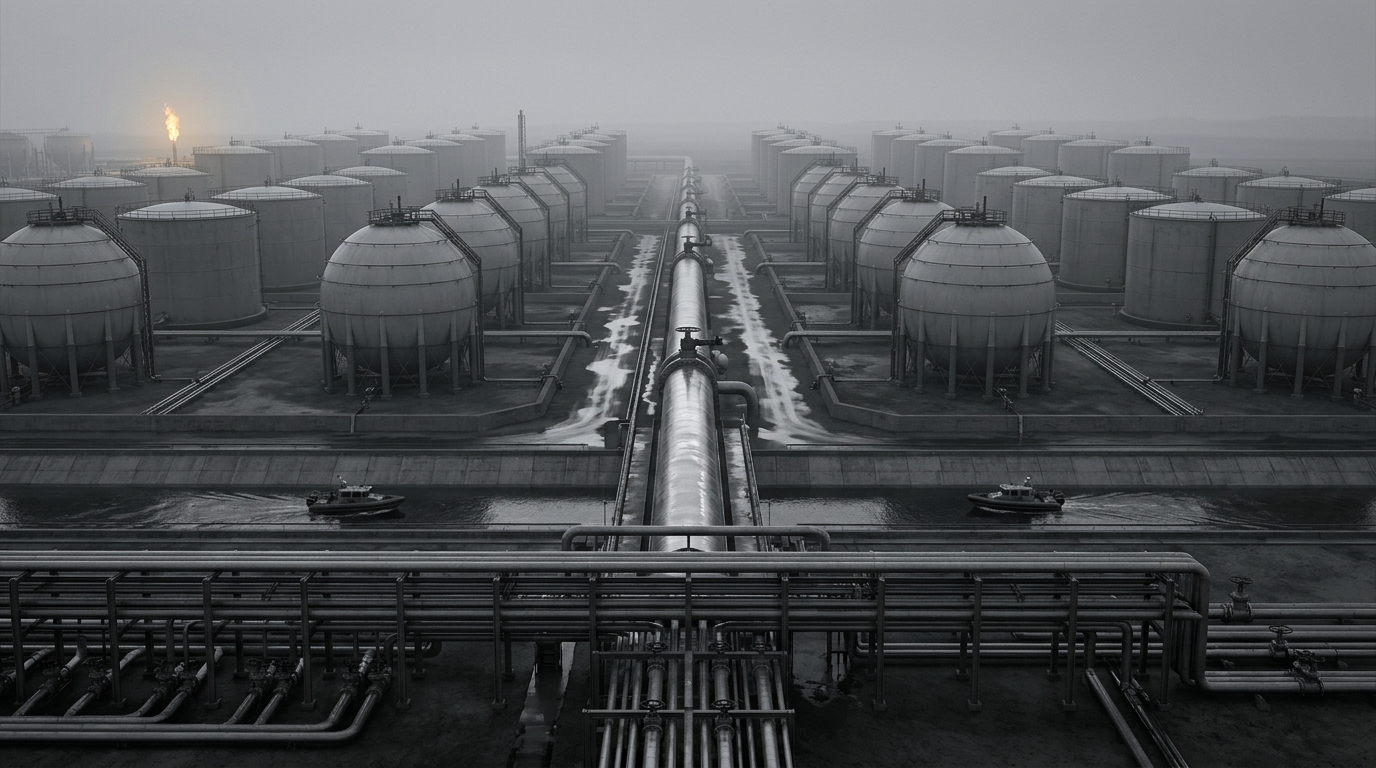
The International Energy Agency and its member governments have moved to inject a record volume of emergency crude into the market as shipping through the Strait of Hormuz remains severely disrupted.
On March 11, 2026, the IEA and its 32 member countries initiated what was described as the largest coordinated strategic oil release on record, totaling 400 million barrels .
What changed in the oil market
The coordinated drawdown follows a sharp supply shock linked to Iran’s paralysis of the Strait of Hormuz since February 28, 2026, in the context of a US-Israeli war on Iran.
Hormuz is a critical chokepoint for energy trade, with about 20% of global oil and liquefied natural gas transiting the passage, based on the figures cited in the source material.
Prices, logistics, and policy response
With flows constrained, benchmark Brent crude has traded above $100 per barrel , compared with roughly $65 before the conflict, underscoring how quickly physical disruptions can reprice global energy.
The United States has sought to restore passage, including urging naval escorts and issuing an ultimatum to Iran, but these efforts have not reopened the route, according to the source.
National stockpiles also being tapped
Alongside the IEA’s collective action, governments are drawing on their own reserves. The United States plans to release 172 million barrels from its Strategic Petroleum Reserve and has already lent 45.2 million barrels to oil companies.
China—outside the IEA system and described in the source as holding the world’s largest strategic oil reserves—is also weighing the use of its stockpiles as refiners brace for tighter access to Iranian barrels.
Why Gulf supply matters now
The reserve releases are intended to cushion the economic fallout from reduced output in key Gulf producers, including Saudi Arabia, the UAE, Iraq, and Kuwait. The source attributes those production cuts to Iranian attacks on regional energy infrastructure.
For China, the exposure is amplified by trade patterns cited in the source: Iranian oil accounted for more than 80% of China’s shipped oil imports in 2025, and refiners such as Sinopec are preparing for reduced availability.
Risks and unknowns
Several uncertainties remain. Iran has threatened a full closure of the strait if its energy infrastructure is attacked, and it has rejected US claims that talks are underway, leaving the timeline for any de-escalation unclear.
Another open question is how long emergency barrels can offset disrupted seaborne flows if the chokepoint remains constrained and regional production stays below prior levels.