Oil Surges Past $113 Amid Mideast Turmoil
Middle East tensions and a U.S. ultimatum to Iran jolted markets on March 23, 2026, lifting oil above $113 and pushing yields higher.
Atlas Newsdesk ·
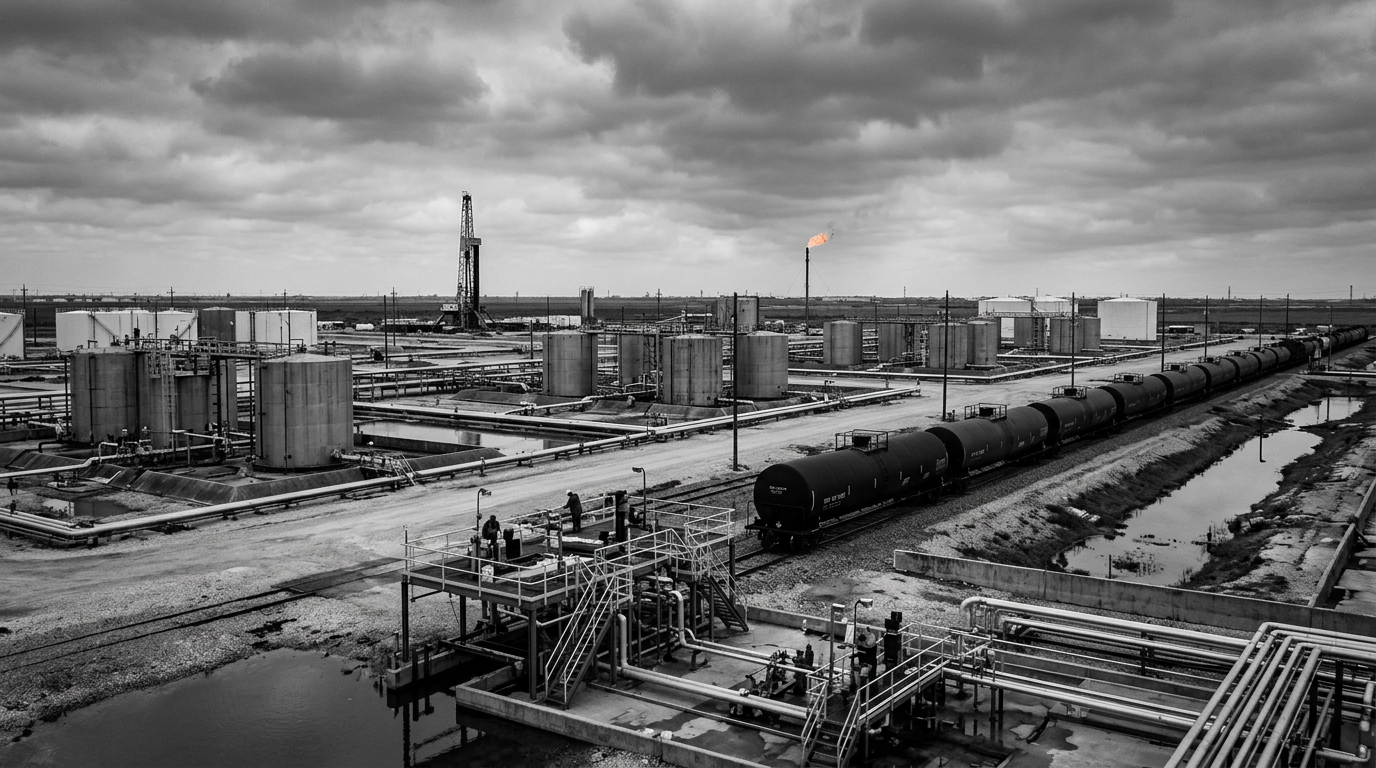
Global markets sold off on Monday, March 23, 2026, as a sharper phase of a Middle East conflict pushed energy prices higher and unsettled investors across regions.
The immediate catalyst was a 48-hour ultimatum issued by U.S. President Donald Trump to Iran tied to the Strait of Hormuz, a key route for seaborne oil shipments.
What changed in the conflict
Trump’s ultimatum included a threat to strike Iran’s major power plants if U.S. demands were not met.
Iran, in response, threatened retaliation against energy and water infrastructure in Gulf states.
The escalation comes within a conflict described as four weeks old, raising the perceived risk of disruption around the Strait of Hormuz and nearby energy systems.
Energy shock drives repricing
Oil prices jumped as traders assessed the possibility of supply interruptions. Brent crude rose above $113 a barrel, while U.S. benchmark WTI reached $100.
In the United States, gasoline prices at the pump moved close to $4 per gallon, adding to inflation sensitivity in consumer-facing sectors.
These moves matter for markets because energy costs can feed quickly into transport, manufacturing, and household budgets, influencing inflation expectations and central-bank policy paths.
Equities and bonds fall in tandem
Stocks declined sharply in Asia. Japan’s Nikkei ended the session down 3.5%, taking its monthly drop to more than 12%, while South Korea’s KOSPI fell by nearly 6%.
European shares opened more than 2% lower, and U.S. equity futures pointed down, signaling a broad risk-off move across time zones.
Government bonds also sold off, pushing the 10-year U.S. Treasury yield to its highest level in nine months, a sign that inflation concerns were outweighing the usual demand for safe assets.
Rates, currencies, and hedges
Money markets began to price a 75% probability of a U.S. Federal Reserve rate increase by year-end. Traders also priced three hikes each from the European Central Bank and the Bank of England, reflecting expectations that the energy shock could keep price pressures elevated.
The U.S. dollar strengthened against other major currencies, while gold prices fell, an unusual combination that can occur when higher yields and a stronger dollar reduce the appeal of non-yielding assets.
Key uncertainties remain: the specific demands in the ultimatum were not detailed in the available information, and it is unknown whether either side will de-escalate before the 48-hour window ends.