Gaza, West Bank Restrictions Intensify Amid Regional Tensions
Restrictions in Gaza and the West Bank intensified since February 28, with border closures and increased military actions amid regional tensions.
Lauren Collins ·
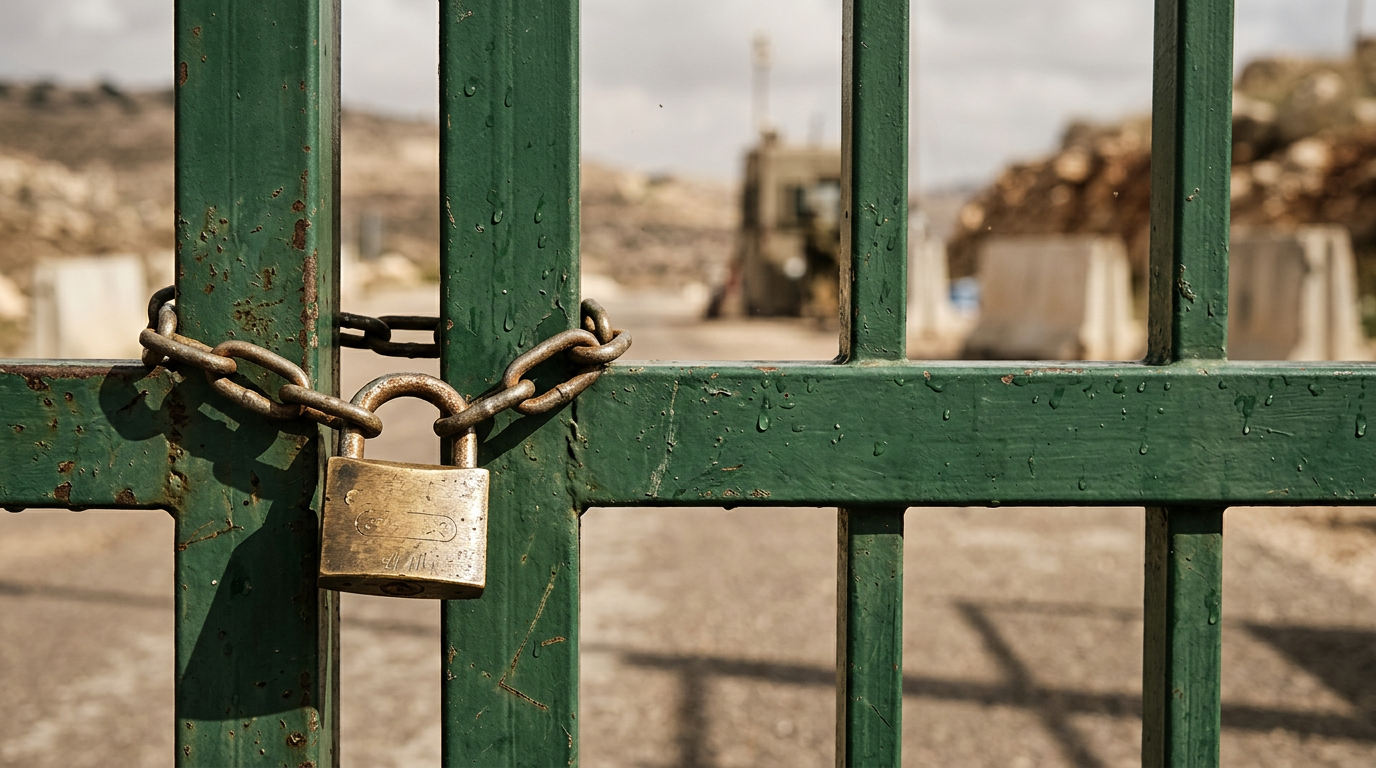
Restrictions on movement and access have significantly escalated across Gaza and the occupied West Bank since February 28, coinciding with the onset of conflict in Iran. These measures, implemented by Israeli forces, include the closure of key border crossings, increased military operations, and a rise in settler-related violence. The United Nations Secretary-General has voiced concerns regarding these developments, particularly the humanitarian implications.
Border Closures and Humanitarian Access
The Rafah border crossing, connecting Gaza with Egypt, was closed by Israel on March 1. Israeli authorities cited security adjustments linked to the broader regional conflict as the reason for this closure. This action has triggered widespread concern among Gaza residents, leading to panic buying of essential goods due to fears of impending food shortages.
While the Karem Abu Salem (Kerem Shalom) crossing was scheduled for a phased reopening for humanitarian aid deliveries on March 2, persistent shortages of cooking gas and other vital fuels continue to affect the region. International bodies have emphasized the critical need for unimpeded humanitarian access to Gaza.
Escalating Violence and Civilian Casualties
Since October 7, 2023, the conflict has resulted in over 72,000 fatalities in Gaza. In the West Bank, more than 1,000 Palestinians have been killed by Israeli soldiers or settlers during the same period. Recent incidents include an Israeli drone strike in Khan Younis on Saturday, which reportedly killed a father and daughter, alongside another individual.
In the West Bank, at least six Palestinians have died since March 2 in separate incidents involving settlers or Israeli soldiers. These include two brothers in Qaryut and three individuals in Khirbet Abu Falah and Masafer Yatta. These events underscore the heightened security environment and the ongoing risks to civilian populations.
Movement Restrictions and Religious Site Access
Israeli forces have also maintained the closure of the Al-Aqsa Mosque, canceling Friday prayers, citing regional security concerns. Raids, such as one conducted on the Askar refugee camp, have been reported. Furthermore, leaflets have been distributed imposing restrictions on inter-governorate travel within the West Bank, limiting the movement of residents.
These intensified restrictions and military actions are occurring within a broader context of regional instability. The measures have significant implications for daily life, humanitarian efforts, and the overall security landscape in both Gaza and the West Bank, drawing international scrutiny and calls for de-escalation and protection of civilians.
Implications
Country Impact: The intensified restrictions exacerbate humanitarian crises in Gaza and the West Bank, potentially leading to increased instability and civilian suffering. These actions could further complicate regional peace efforts and international relations.
Industry Impact: Humanitarian aid organizations face significant operational challenges due to border closures and movement restrictions, impacting their ability to deliver essential supplies. Local economies are disrupted by limited movement and access to goods.
Market Impact: The escalating tensions and humanitarian concerns could introduce additional geopolitical risk premiums into global energy markets. Investor sentiment in the broader Middle East may be negatively affected by the prolonged instability.