NATO Intercepts Third Iranian Missile Over Turkey
NATO air defenses intercepted a third Iranian missile over Turkey on March 13, 2026, prompting Turkish protests and NATO reinforcements.
Lauren Collins ·
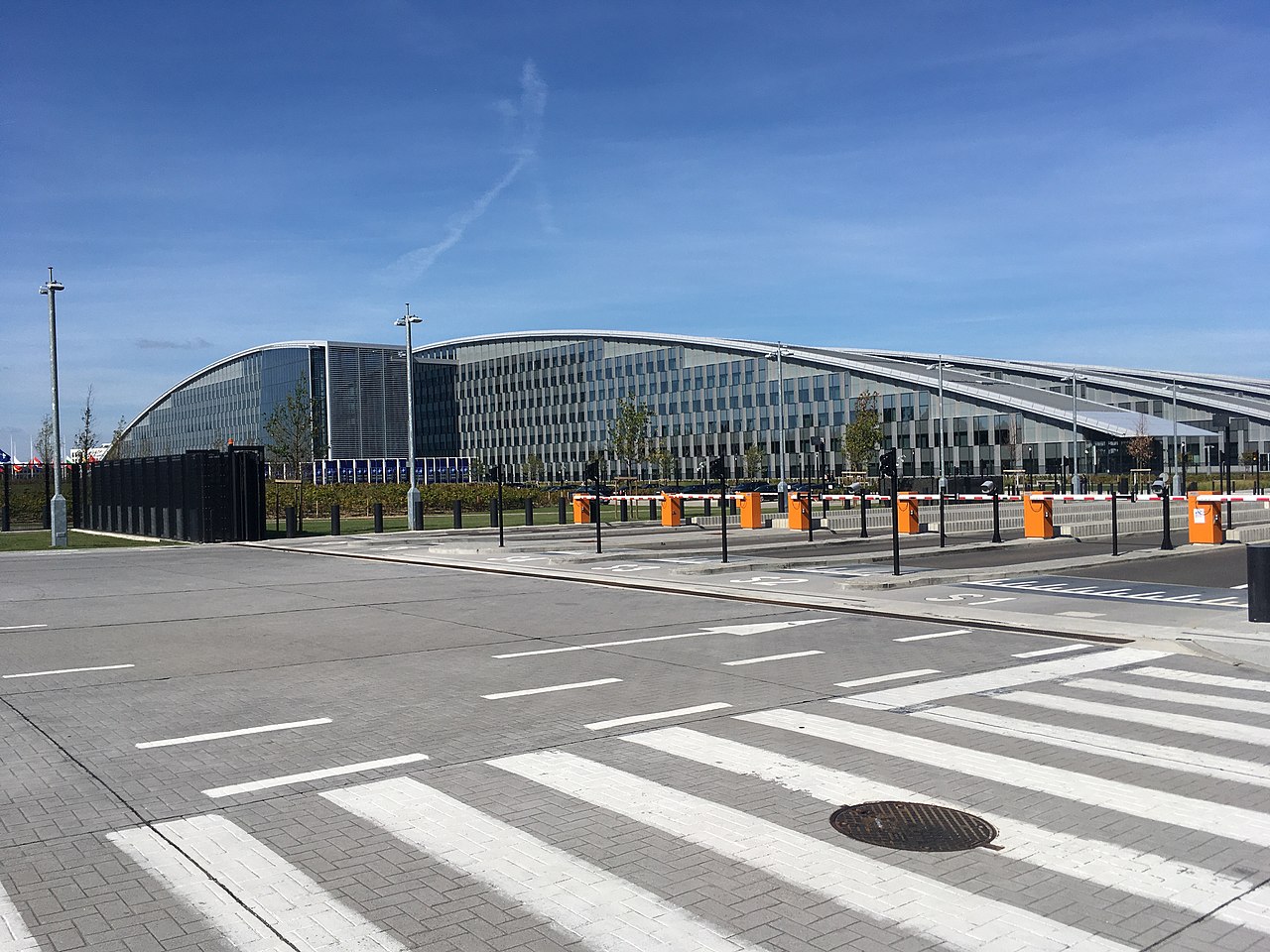
NATO air defense systems successfully intercepted a third ballistic missile launched from Iran towards Turkey on Friday, March 13, 2026. This incident marks the third such interception within a ten-day period, raising regional security concerns. The Turkish Ministry of Defence confirmed the event, which occurred as the missile entered Turkish airspace.
Previous interceptions took place on March 4 and March 9, 2026. Following these repeated incidents, Turkey has formally sought clarification from Tehran regarding the missile launches. An explosion was reported near Incirlik Air Base in Adana province, southern Turkey, a facility that hosts U.S. and other international forces. No casualties or debris have been reported from any of these events.
Regional Security Concerns
Turkey has communicated its protests to Iran after each missile incident, emphasizing its desire to remain uninvolved in the broader regional conflict dynamics between Iran, Israel, and the United States. Despite the repeated incursions, Ankara has not formally requested NATO consultations regarding these specific events, relying instead on existing defense protocols.
NATO's integrated air defense infrastructure, including the Kurecik NATO radar base, plays a critical role in Turkey's protection against ballistic missile threats. The recent interceptions underscore the operational readiness and effectiveness of these systems. Notably, the Russian S-400 air defense systems acquired by Turkey in 2019 were not deployed for these interceptions, with NATO's defenses being prioritized for their speed and efficacy.
NATO Reinforces Defenses
In response to the escalating frequency of these incidents, NATO has taken steps to reinforce its ballistic missile defenses in the eastern Mediterranean region. A U.S. Patriot air defense system has been deployed to enhance protective capabilities, particularly around the Kurecik base. This reinforcement highlights the alliance's commitment to regional stability and the defense of its member states.
The repeated missile launches from Iran towards Turkish territory introduce a new layer of complexity to the already volatile Middle East security landscape. While the specific targets of these missiles remain undisclosed, their trajectory towards a NATO member state necessitates a robust defensive posture. The ongoing communication between Ankara and Tehran, alongside NATO's defensive enhancements, will be crucial in managing this evolving situation and preventing further escalation.
Geopolitical Implications
The incidents occur within a broader context of heightened tensions across the Middle East, particularly concerning Iran's regional activities and its relations with Western powers and Israel. Turkey, as a key regional actor and NATO member, finds itself navigating a delicate balance, aiming to protect its sovereignty while avoiding direct entanglement in wider conflicts.
The reliance on NATO's integrated defense systems reinforces the alliance's strategic importance in deterring and responding to such threats.
The deployment of additional Patriot systems signals a proactive measure by NATO to bolster its defensive shield. This move is intended to reassure allies and deter potential aggressors, ensuring that critical infrastructure and personnel within Turkey remain secure. The international community will closely monitor further developments and diplomatic efforts to de-escalate tensions in the region.
Implications
Country Impact: Turkey faces increased security challenges from regional conflicts, necessitating diplomatic engagement with Iran and reliance on NATO's defense infrastructure. The incidents test Turkey's neutrality in broader Middle Eastern tensions.
Industry Impact: The defense industry, particularly manufacturers of air defense systems like Patriot, may see increased demand or strategic importance. Regional energy and shipping industries could face heightened risk perceptions due to instability.
Market Impact: Increased geopolitical risk in the Eastern Mediterranean could lead to volatility in regional equity markets and potentially impact oil prices. Investor confidence in Turkish assets might be affected by perceived security threats.