Brazil Presidential Election Outlook and Fiscal Policy Implications
Brazil’s upcoming presidential election presents a choice between incumbent fiscal expansionism and opposition-led policy shifts, with significant…
Atlas Newsdesk ·
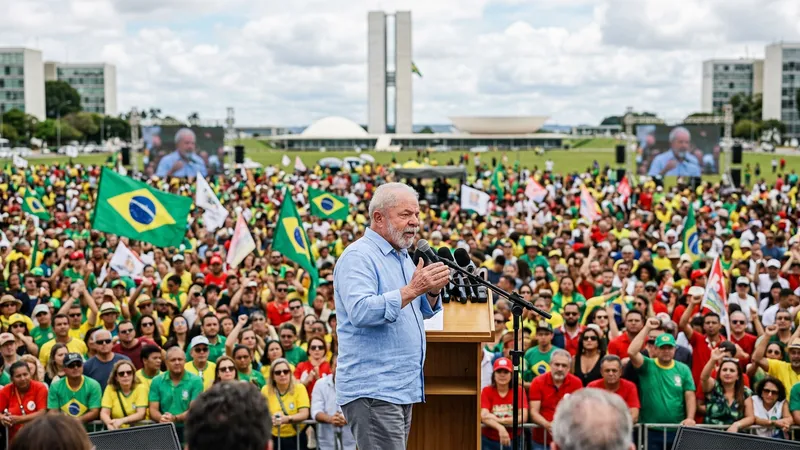
Brazil will hold presidential elections on October 4, featuring a contest between incumbent President Luiz Inácio Lula da Silva and Senator Flávio Bolsonaro. The outcome carries significant implications for the nation’s fiscal trajectory, environmental policy, and international diplomatic alignment.
The current administration has overseen improvements in labor market indicators, including record-low unemployment and rising real incomes. However, these gains have been accompanied by an increase in the debt-to-GDP ratio from 70% to over 80%, fueling concerns among domestic financial elites regarding fiscal sustainability.
Institutional risk remains elevated due to the administration's lack of a stable congressional majority, which complicates efforts to navigate existing fiscal constraints. The election also highlights deep-seated societal tensions regarding security, state violence, and wealth inequality.
Foreign policy shifts remain a critical variable for international stakeholders, particularly regarding Brazil’s strategic relationships with the United States and China. Environmental governance, specifically Amazonian deforestation policy, serves as a primary point of divergence between the competing political factions.