US-Iran Tensions Escalate Amid Strait of Hormuz Concerns
US-Iran tensions escalated on March 15, 2026, as the US rejected a deal and Iran threatened the Strait of Hormuz, impacting global markets.
Lauren Collins ·
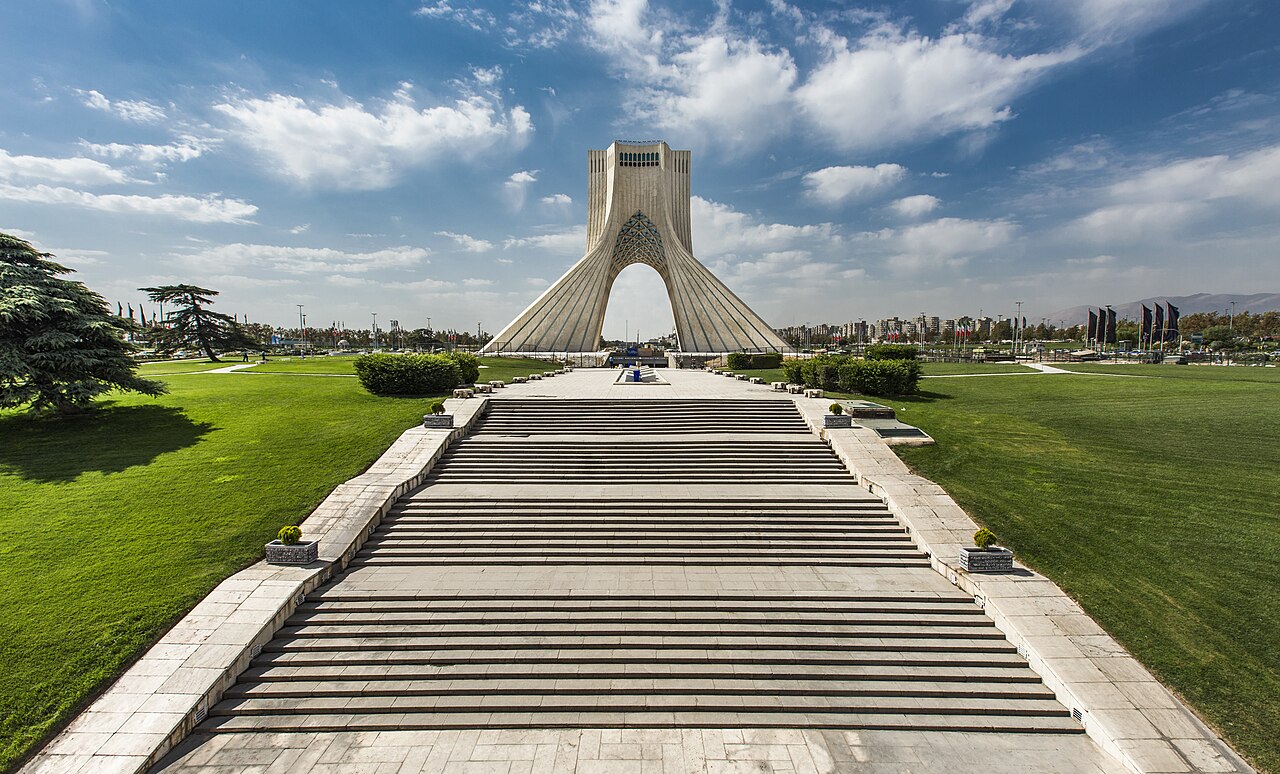
Tensions between the United States and Iran intensified on March 15, 2026, as the US President rejected a potential agreement to de-escalate hostilities. Concurrently, Iran's foreign minister declared the Strait of Hormuz inaccessible to opposing forces, while its military issued threats targeting ports in the United Arab Emirates. These developments followed US military actions against an Iranian oil export facility.
President Donald Trump publicly dismissed the prospect of an immediate resolution with Iran, citing unfavorable conditions for a deal. He also raised questions regarding the leadership status within Iran. This diplomatic impasse coincides with a significant increase in US domestic gasoline prices, which have climbed by 23% since the onset of the current conflict.
Regional Security and Military Posture
The US President reiterated calls for international cooperation to safeguard the Strait of Hormuz, a critical global shipping lane. Iran's Revolutionary Guard issued warnings to the United States concerning industrial facilities and advised Iranian civilians to evacuate areas near factories with American investment, following reports of civilian casualties from strikes on non-military industrial sites.
In a separate incident, the Pentagon confirmed the deaths of six aircrew members after a KC-135 refueling aircraft crashed in western Iraq. The USS Nimitz aircraft carrier, a key component of US naval power, received an extension to its service life, now scheduled until March 2027, indicating a sustained military presence in the region.
Economic and Civilian Impact
The escalating conflict has had immediate economic repercussions, notably the 23% surge in US gas prices. Civilian infrastructure has also been affected, with munitions striking central Israel, resulting in two reported injuries. Kuwait's airport sustained damage, and the United Arab Emirates, Qatar, and Saudi Arabia reported intercepting multiple incoming projectiles.
International events have also been impacted, as Formula 1 canceled its scheduled Grand Prix races in Bahrain and Saudi Arabia for April, citing safety concerns. These cancellations underscore the broader regional instability stemming from the ongoing confrontation.
International Response and Outlook
The US administration's stance on a deal with Iran suggests a prolonged period of heightened tensions. The focus on securing the Strait of Hormuz highlights the strategic importance of the waterway for global energy markets and international trade. The calls for international assistance indicate a desire to broaden the coalition addressing regional security challenges.
The threats against UAE ports by Iran's military signal a potential expansion of the conflict's geographical scope. The reported civilian casualties from strikes on Iranian factories could further complicate de-escalation efforts and draw increased international scrutiny. The continued military deployments and extended service of naval assets suggest a sustained US commitment to regional security operations.
Implications
Country Impact: The United States faces sustained diplomatic challenges with Iran, alongside domestic economic pressures from rising energy costs. Regional allies like the UAE, Qatar, Saudi Arabia, and Kuwait face direct security threats and infrastructure damage. Israel also experienced direct attacks.
Industry Impact: The global energy sector is directly impacted by threats to the Strait of Hormuz, a vital oil transit chokepoint, leading to increased fuel prices. The sports and entertainment industry, specifically Formula 1, has seen event cancellations due to security concerns, highlighting broader business risks in the region.
Market Impact: Global financial markets are likely to react to increased geopolitical risk, particularly in energy commodities. Equity markets in affected regions may experience volatility, and insurance premiums for shipping through the Strait of Hormuz could rise significantly, impacting global supply chains.