Israel, Lebanon to Hold Direct De-escalation Talks
Israel and Lebanon are set to hold direct talks, mediated by the U.S., to de-escalate hostilities and address Hezbollah's disarmament.
Lauren Collins ·
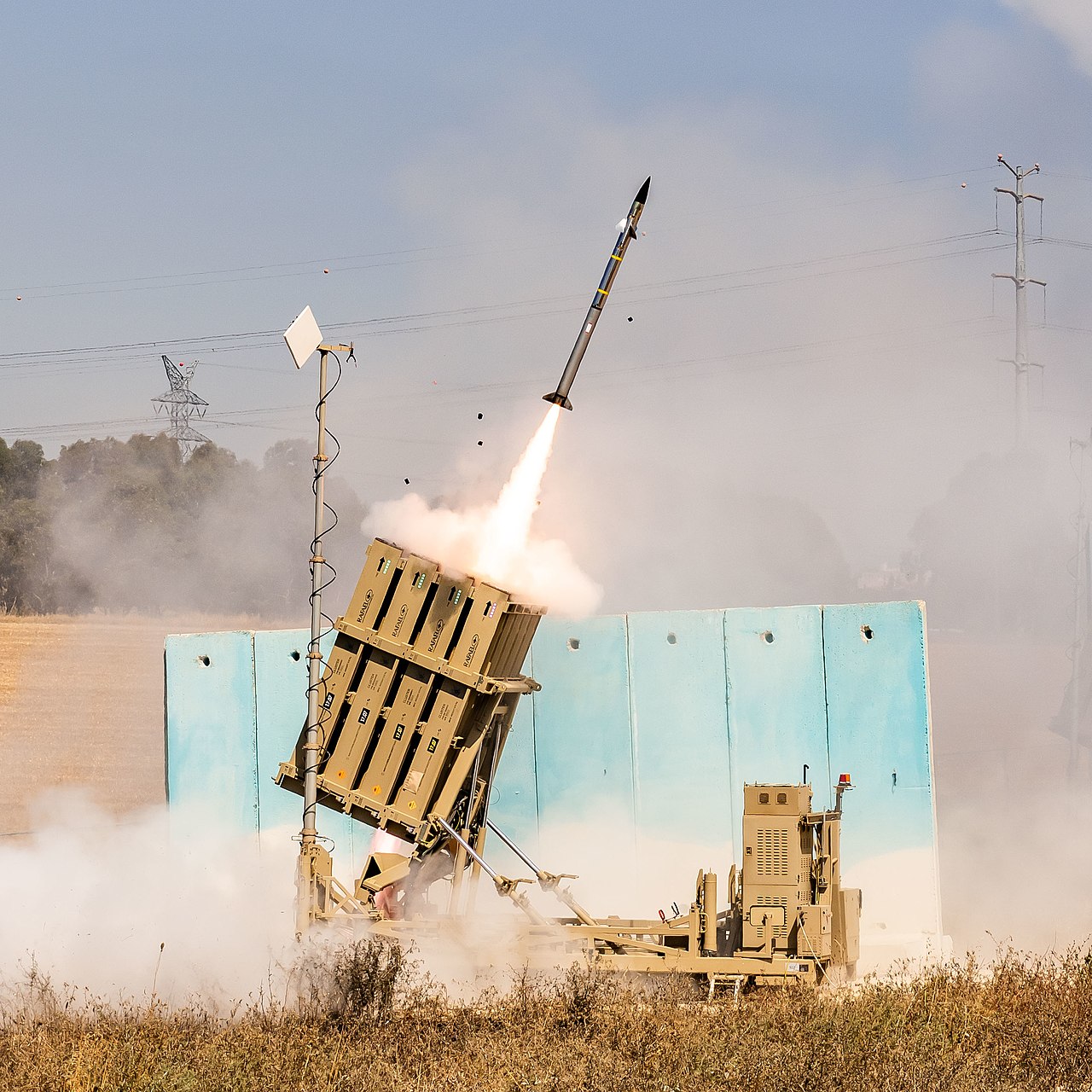
Representatives from Israel and Lebanon are expected to engage in direct negotiations in the coming days, marking the first such high-level contact since the recent escalation of regional conflict. These discussions aim to address the ongoing hostilities in Lebanon and the presence of armed groups within its borders. The United States is anticipated to play a facilitating role in these proceedings.
These planned talks follow a significant increase in cross-border violence that began on March 2. This period saw Hezbollah initiating attacks against Israel, which the group stated were in response to the killing of Iran's supreme leader. Israel subsequently launched extensive military operations targeting Hezbollah positions.
Negotiation Details and Participants
Sources indicate that the negotiations could take place in either Paris or Cyprus, providing a neutral venue for the delegations. Jared Kushner, a senior advisor to U.S. President Donald Trump, is expected to be involved, underscoring American interest in the de-escalation efforts. The Israeli delegation will reportedly be led by Ron Dermer, a key diplomatic figure.
Core Objectives of the Dialogue
The primary objectives of these direct talks are centered on reducing the current level of conflict in Lebanon and addressing the issue of Hezbollah's disarmament. The presence of non-state armed actors has been a persistent point of contention and a source of regional instability. Achieving a framework for de-escalation is considered a critical first step.
Background to the Escalation
The recent surge in hostilities has resulted in substantial human cost and displacement. Israeli military actions against Hezbollah have reportedly led to over 770 fatalities. Concurrently, hundreds of thousands of individuals have been displaced from their homes due to the violence. Hezbollah has also launched numerous rockets into Israeli territory, contributing to the cycle of retaliation.
Regional Context and Implications
The broader regional context, particularly the ongoing tensions between the U.S., Israel, and Iran, significantly influences the dynamics of the Israeli-Lebanese border. The proposed talks represent an attempt to manage and potentially contain a localized conflict that has wider geopolitical ramifications. Success in these negotiations could pave the way for more stable security arrangements in the Levant, while failure risks further destabilization.
International Mediation Efforts
International actors, particularly the United States, have consistently sought to mediate conflicts in the Middle East. The involvement of a senior U.S. official like Jared Kushner highlights the diplomatic weight being placed on these discussions. The choice of European venues like Paris or Cyprus also suggests an effort to ensure a neutral and secure environment for sensitive negotiations between long-standing adversaries.
Implications
Country Impact: Lebanon faces significant internal challenges, including the disarmament of Hezbollah and the return of displaced populations. Israel seeks to secure its northern border and neutralize threats from non-state actors. The outcome of these talks will directly influence the security and political stability of both nations.
Industry Impact: The ongoing conflict and potential for de-escalation could impact regional energy markets and reconstruction efforts. Industries reliant on stability, such as tourism and trade, have been severely affected, with potential for recovery if a lasting ceasefire is achieved.
Market Impact: Global markets may react to any signs of de-escalation or renewed conflict in the Middle East, particularly impacting oil prices and investor confidence in regional assets. A successful negotiation could reduce geopolitical risk premiums, while failure could lead to increased market volatility.