What we know on day 23 of the US and Israel’s war with Iran
US and Israel escalate military actions against Iran, which responds with missile strikes, raising global tensions and threatening the Strait of Hormuz.
Lauren Collins ·
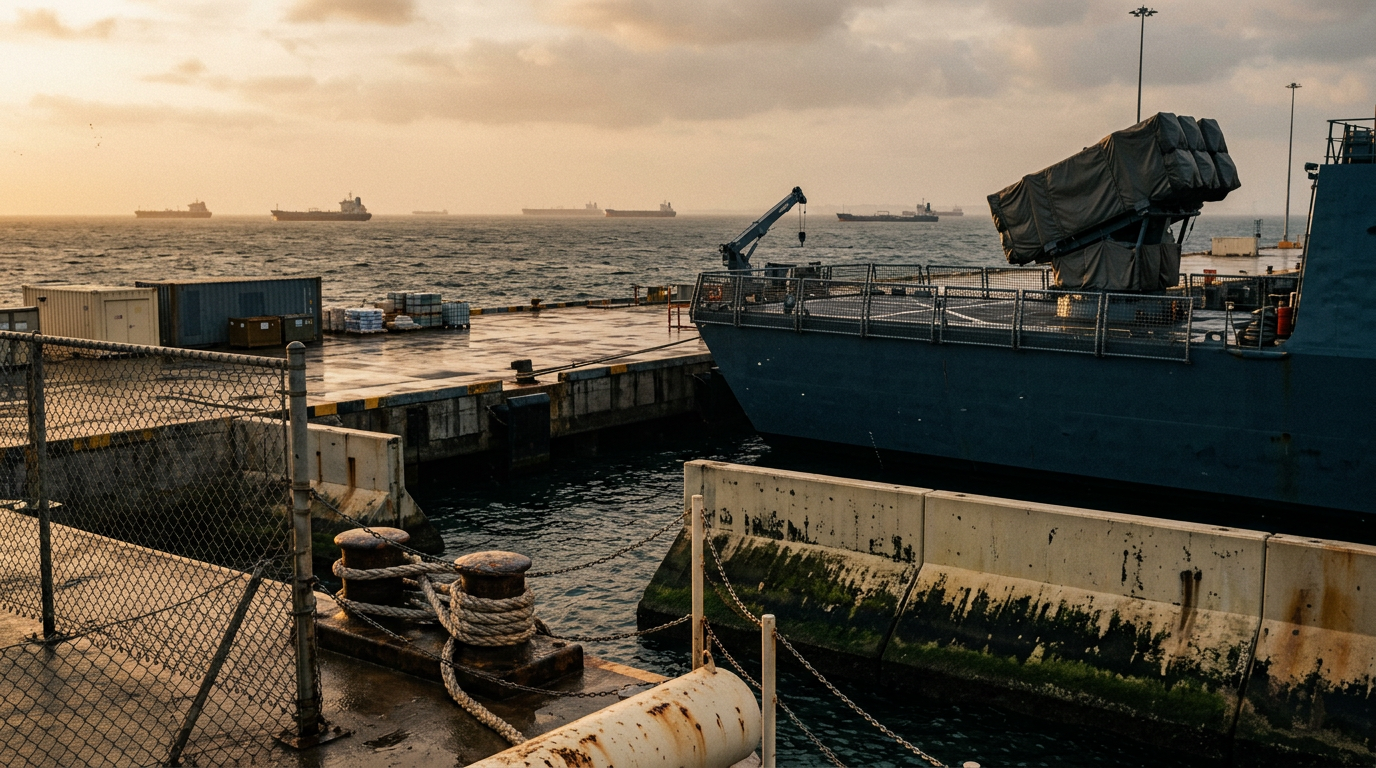
The United States and Israel have significantly increased their military operations targeting Iran, while Tehran has responded with missile strikes against Israeli territory and a joint US-UK military facility. This escalation follows weeks of heightened tensions, particularly concerning the Strait of Hormuz, a vital global shipping lane for energy exports.
On March 21, 2026, U.S. President Donald Trump issued an ultimatum to Iran, threatening strikes on Iranian power infrastructure if the Strait of Hormuz is not reopened within 48 hours. This demand comes after Iran's sustained blockage of the strategic waterway, which has disrupted international maritime traffic.
Military Engagements Intensify
An Iranian missile recently impacted the Dimona region in southern Israel, causing injuries and structural damage near a sensitive nuclear site. Concurrently, missiles were launched towards the joint US-UK military base on Diego Garcia, located approximately 3,800 kilometers from Iran, demonstrating Iran's extended-range missile capabilities. The United Kingdom has officially condemned these actions as "reckless."
In response, the Israeli military has reported extensive aerial operations, striking over 200 targets within Iran. These operations also included attacks on Hezbollah positions in Lebanon, focusing on weapon storage facilities and ballistic missile sites. The scope of these strikes indicates a broad military response to Iranian actions.
Humanitarian Impact and Regional Response
The conflict has resulted in significant humanitarian consequences within Iran, with over 18,000 civilians reported injured and more than 1,330 fatalities, including at least 200 children, over the past three weeks. In neighboring Lebanon, the health ministry has documented over 1,000 deaths and more than one million individuals displaced due to the ongoing hostilities.
Iranian authorities have also initiated domestic measures, arresting 25 individuals accused of disseminating information related to the conflict. Internationally, the United Arab Emirates and Australia have joined 20 other nations in pledging support for ensuring safe passage through the Strait of Hormuz, underscoring the global concern over maritime security.
Maritime Incidents and Global Concerns
Further exacerbating regional instability, an unidentified projectile caused an explosion near a bulk carrier off the coast of the UAE. All crew members were reported safe, but the incident highlights the persistent threat to commercial shipping in the area. This event follows a series of previous Iranian attacks on vessels within the Strait of Hormuz since the conflict's onset, raising alarms about the potential for broader economic disruption and international intervention.
The escalating military actions and threats to critical shipping lanes underscore a rapidly deteriorating security situation in the Middle East, with significant implications for global energy markets and international relations. The coming days will likely determine the extent of further military engagement and diplomatic efforts to de-escalate the crisis.
Implications
Country Impact: The escalating conflict poses severe humanitarian crises in Iran and Lebanon, with significant casualties and displacement. Domestic stability in Iran is also affected by arrests related to information dissemination.
Industry Impact: Global energy markets face substantial disruption due to threats to the Strait of Hormuz, a critical oil transit choke point. Shipping and insurance industries are likely to see increased costs and risks in the region.
Market Impact: Increased geopolitical risk could lead to volatility in global equity markets, a flight to safe-haven assets, and upward pressure on oil prices. Bond yields may fluctuate as investors react to regional instability.