Hormuz Strait Reopens After US-Iran Ceasefire
U.S.-Iran ceasefire begins immediately for two weeks, aiming to restore Strait of Hormuz shipping as talks continue in Islamabad.
Lauren Collins ·
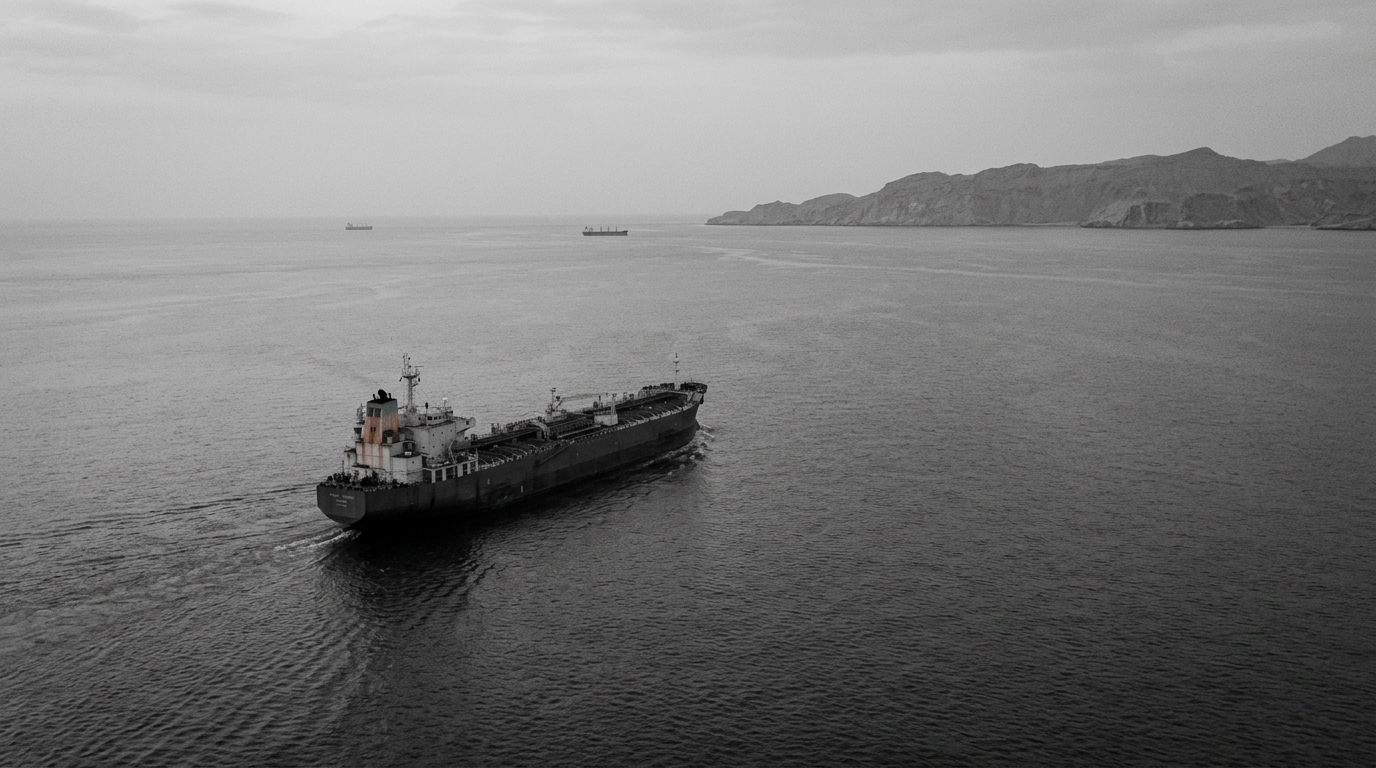
U.S. and Iranian officials agreed to a provisional two-week ceasefire that took effect immediately, a move intended to restore shipping traffic through the Strait of Hormuz. The truce was announced on Wednesday by Pakistan's Prime Minister Shehbaz Sharif, who mediated the negotiations. The agreement follows more than a month of coordinated attacks by the U.S. and Israel on Iran.
Under the terms described, the U.S. will suspend military actions against Iran. Iran, in turn, will allow vessels to transit the Strait of Hormuz, with passage coordinated by the Iranian military. The arrangement is framed as a temporary pause, with further talks expected to continue in Islamabad.
U.S. President Donald Trump said the United States had achieved its military objectives. He also indicated that future discussions would include tariff and sanctions relief. Iran presented a 10-point plan that includes a cessation of war in the region, lifting sanctions, releasing frozen assets, and compensation for reconstruction costs, while also committing to not seeking nuclear weapons.
Israel supported the ceasefire but said the arrangement does not apply to Lebanon. Shortly after the announcement, Israel renewed strikes in southern Lebanon, underscoring that the de-escalation described between Washington and Tehran does not cover all active fronts. The developments highlight that the ceasefire is limited in scope even as it targets a key maritime chokepoint for global trade.
There were also signs of potential gaps in how the ceasefire is being interpreted or implemented. Kuwait reported Iranian drone attacks on its power and desalination plants, as well as oil facilities, on Wednesday morning. That report, coming the same day the truce was announced, raised questions about whether all parties share the same understanding of what actions are covered by the ceasefire and when constraints begin to apply.
Negotiations are expected to continue in Islamabad, and U.S. Vice President JD Vance is slated to attend. For global markets, the immediate focus is whether the stated reopening of shipping through the Strait of Hormuz proceeds smoothly under the coordination mechanism described, and whether reported incidents in the region complicate implementation during the two-week window.