Hormuz Closure Threatens Global Energy Supply
Strait of Hormuz closure has lasted over a month, disrupting about 20% of world oil supply and raising risks of inflation and recession.
Lauren Collins ·
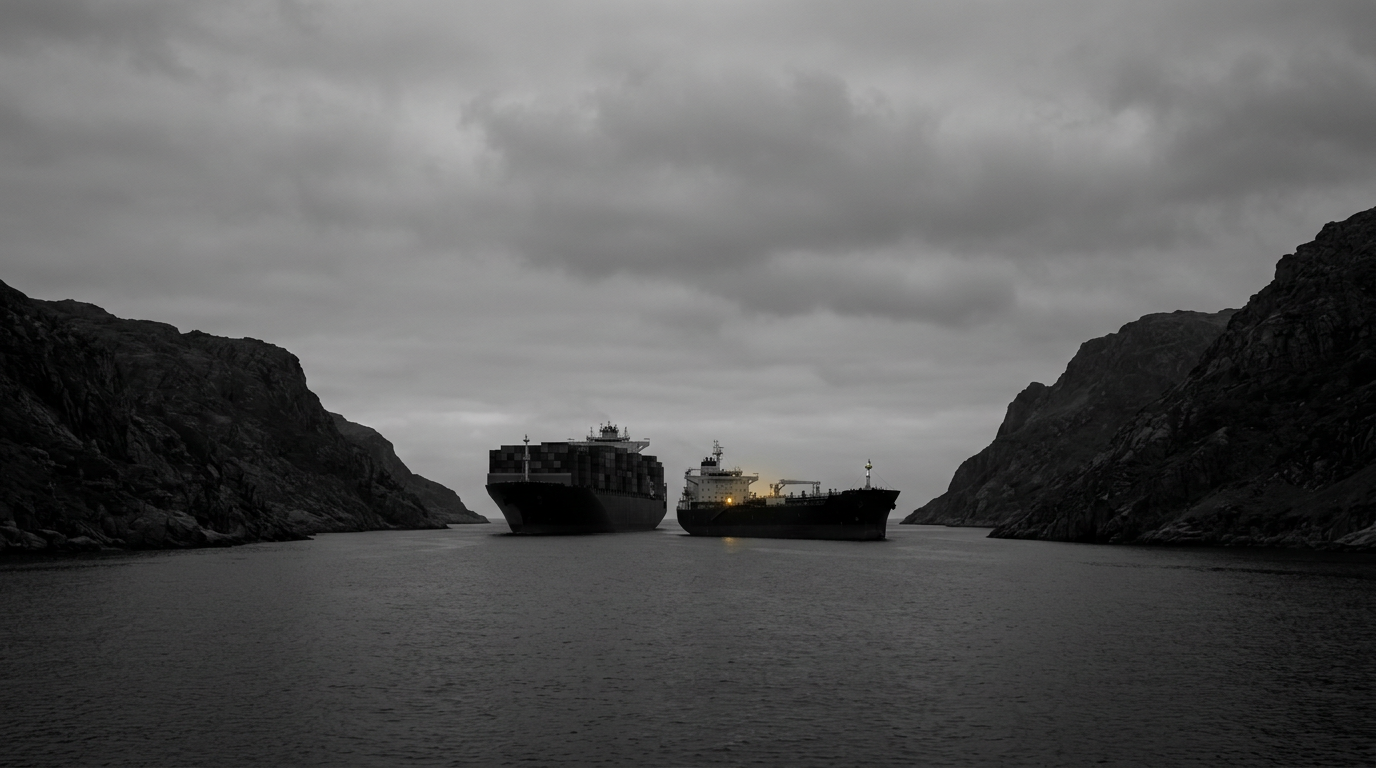
Global energy markets are facing renewed stress after the Strait of Hormuz remained closed for more than a month, disrupting a key route for oil shipments. The closure has prompted warnings that the resulting shock could be more damaging than the oil crises of the 1970s, given the scale of supply affected. Officials and specialists cited in the discussion linked the disruption to the US-Israeli conflict with Iran.
What happened is a sustained interruption at one of the world’s most important energy chokepoints. The disruption has halted roughly one-fifth of global oil exports from Gulf states for over a month, intensifying concerns about physical supply availability. Lars Jensen, described as a shipping specialist, and Fatih Birol, Director of the International Energy Agency, were cited as warning that the economic fallout could exceed the 1970s experience.
Why comparisons to the 1970s are being made centers on the historical benchmark for energy-driven macroeconomic damage. The 1970s oil shock was triggered by an Arab oil embargo and coordinated production cuts during the Yom Kippur War, and it contributed to a near quadrupling of oil prices. Major economies including the U.S. and U.K. experienced recessions from 1973 to 1975, underscoring how energy price spikes can transmit quickly into broader economic weakness.
How the current disruption differs is primarily the magnitude of supply at risk. The 1970s episode involved an estimated 5–7% reduction in global supply, while the Strait of Hormuz closure is described as affecting 20% of the world’s oil supply. Even with a more diversified global oil market today, and with economies generally less oil-intensive than in the 1970s, the scale of the interruption is being presented as a central reason for heightened concern.
What it means for inflation and growth is framed as a risk of sharper price increases and wider economic spillovers. The cited assessment points to the possibility of stronger price spikes, broader inflation pressures, and deeper recession risks, with particular sensitivity in import-heavy regions such as Asia. The discussion also notes that emergency response mechanisms are stronger than in the 1970s, but it does not claim they will fully offset the disruption.
What remains uncertain is the duration and the post-crisis cost profile. The long-term consequences are described as potentially including very high energy costs for six to twelve months even after the crisis ends. The timing of any reopening, and how quickly flows could normalize, were not specified in the information provided.