Dutch Minority Government Faces Policy Hurdles
The Dutch minority government, sworn in on February 23, faces legislative challenges due to its lack of a parliamentary majority.
Lauren Collins ·
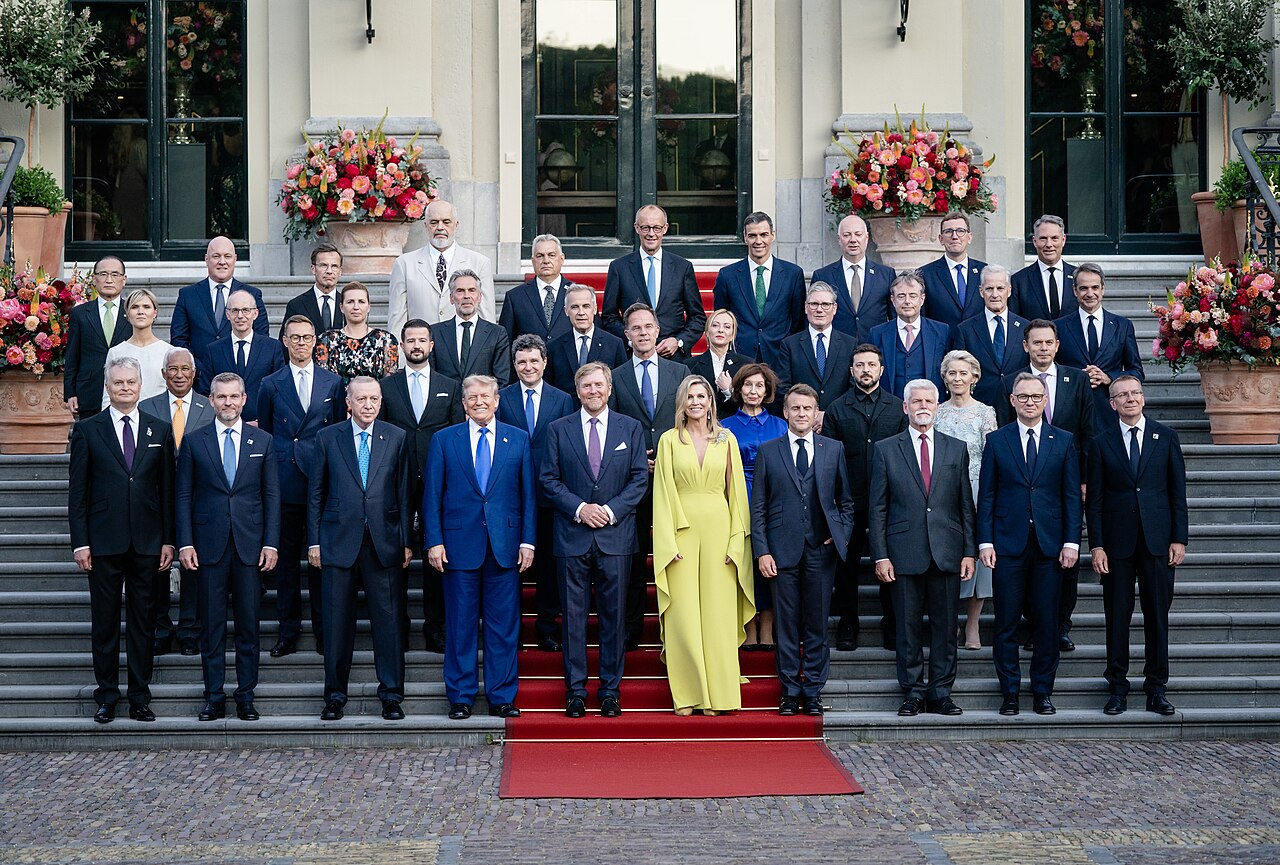
The Netherlands' newly formed minority government, inaugurated on February 23, confronts substantial legislative hurdles stemming from its lack of a parliamentary majority. The coalition, led by Prime Minister Rob Jetten, commands 66 of 150 seats in the lower house and 22 of 75 in the Senate. This configuration necessitates broad cross-party cooperation to advance its policy agenda and ratify international accords.
Central to the government's program, detailed in its "Getting started" document, is a significant focus on bolstering European security and defense capabilities. This includes initiatives aimed at integrating a European defense component within NATO structures and participating in French-led dialogues concerning European nuclear deterrence strategies. The administration also seeks to establish a European intelligence collaboration framework, akin to the existing Five Eyes alliance.
Defense Spending and European Integration
Further defense objectives involve the creation of a "European Defence Mechanism" designed to streamline the joint acquisition of military equipment. Specific targets include allocating 40% of defense procurement to joint European purchases and ensuring 50% originates from Dutch or broader European industrial sources. These efforts underscore a strategic pivot towards greater European defense integration.
Despite this emphasis on Europeanization, the Dutch government explicitly reaffirms its enduring commitment to its strategic relationship with the United States. This includes maintaining existing bilateral nuclear sharing agreements and its fleet of F-35 fighter jets, balancing European autonomy with transatlantic alliances.
Legislative Challenges and Political Landscape
To ensure long-term defense readiness, the coalition proposes legislation to mandate a defense spending target of 3.5% of Gross Domestic Product (GDP). This commitment aims to provide a stable financial foundation for sustained military investment, reflecting a broader trend among European nations to increase defense outlays in response to evolving geopolitical dynamics.
The ability of this minority government to navigate a politically fragmented landscape will be a key indicator of its effectiveness. The need for constant negotiation and compromise with opposition parties could influence the pace and scope of policy implementation, particularly on complex issues like defense and European integration.
The outcome of this governance model in the Netherlands may also offer insights into future political trends across Northern Europe, where coalition governments are common but minority administrations present unique challenges.
Outlook for Policy Implementation
The government's ambitious agenda, particularly in defense, requires significant parliamentary consensus. The proposed 3.5% GDP defense spending target, while reflecting a strategic priority, will likely face scrutiny regarding its economic implications and feasibility. The success of the "European Defence Mechanism" and intelligence-sharing initiatives will depend on both domestic political will and broader European cooperation.
Ultimately, the Jetten government's capacity to forge alliances across the political spectrum will determine its legislative achievements. Its performance will be closely watched as a case study for minority governance in a complex international environment, balancing national interests with regional and global security imperatives.
Implications
Country Impact: The Netherlands faces potential policy delays and requires extensive cross-party negotiation to pass legislation. The government's ability to implement its agenda, particularly on defense, will test the stability of minority rule.
Industry Impact: European defense industries could see increased demand due to proposed joint acquisition targets. Dutch and European defense manufacturers are targeted for 50% of procurement, potentially boosting regional production.
Market Impact: Increased defense spending commitments could impact national budgets and potentially influence bond markets. The focus on European defense integration may also affect investment flows within the defense sector across the EU.