Trump Backs Federal Election Overhaul Legislation
Donald Trump advocates for the 'SAVE America Act,' a federal election overhaul bill with strict voter ID and citizenship requirements.
Lauren Collins ·
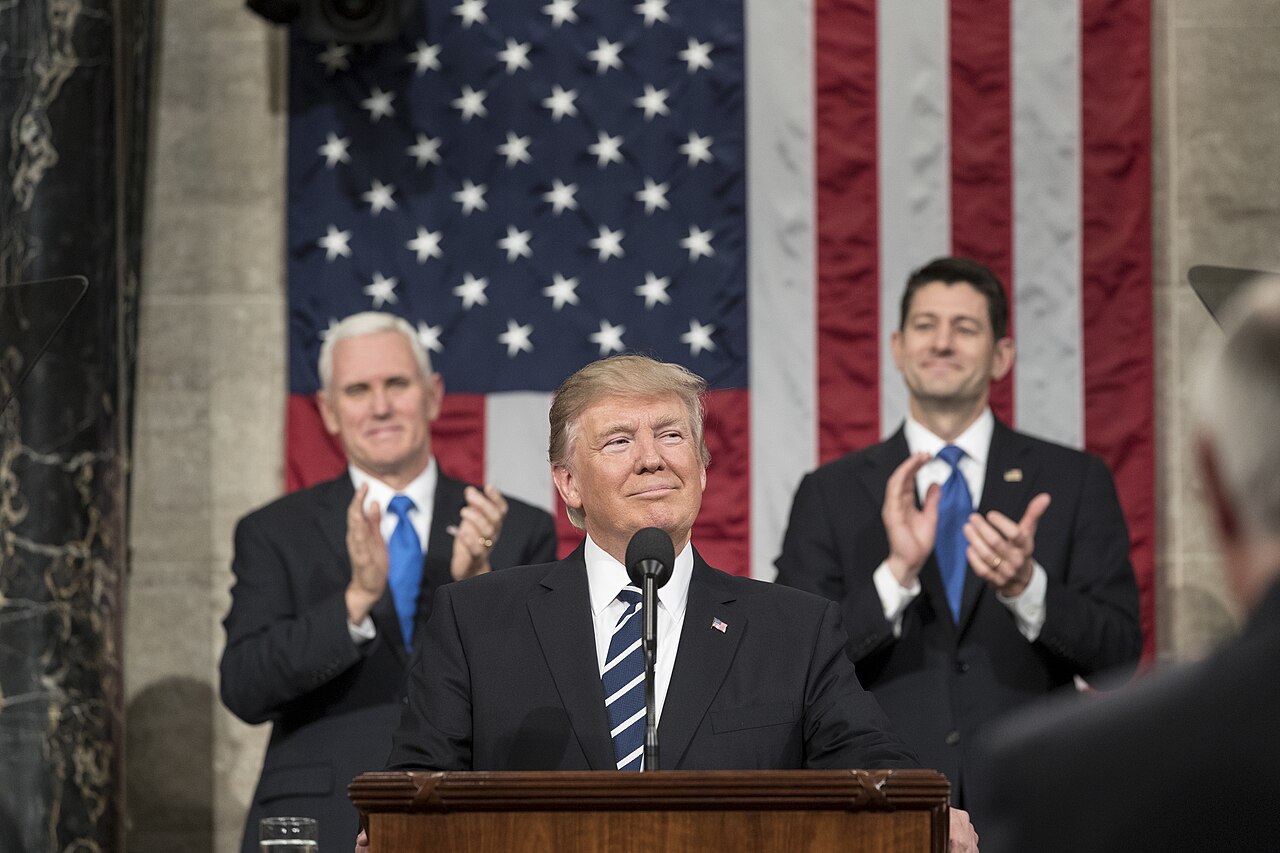
Former President Donald Trump is actively promoting a federal election reform bill, dubbed the "SAVE America Act." This proposed legislation, which has already cleared the House of Representatives, faces significant opposition in the Senate, primarily due to the Democratic party's ability to filibuster its passage. The bill introduces stringent new requirements for voter identification and proof of citizenship, aiming to reshape the landscape of federal elections.
The former President has also sought to include additional provisions, such as the elimination of no-excuse mail voting and the integration of policies addressing transgender issues. These demands further complicate the bill's already challenging path through Congress. The legislation mandates that individuals present specific citizenship documents, such as birth certificates or passports, when registering to vote in person.
Key Provisions of the Proposed Act
Beyond citizenship verification, the "SAVE America Act" stipulates that voters must present a valid photo identification for federal elections. Notably, this requirement excludes identification issued by educational institutions like schools or colleges. These measures represent a significant shift from current voting procedures and could affect various demographics across the United States.
Critics contend that these new identification and citizenship requirements could disenfranchise a substantial number of eligible voters. Organizations like the Brennan Center estimate that over 21 million eligible citizens may lack readily accessible documents required by the proposed law. The bill also introduces complexities for online and mail-in voter registration, requiring in-person verification for these methods.
Debate Over Voter Fraud and Access
Proponents of the "SAVE America Act" argue that its provisions are necessary to combat voter fraud and enhance election integrity. However, election experts and research from institutions such as the Heritage Foundation indicate that instances of non-citizen voting are exceedingly rare. The Heritage Foundation's database, for example, recorded fewer than 100 documented cases between 2000 and 2025, suggesting a minimal prevalence of such fraud.
The potential implementation of this bill would have immediate and far-reaching implications for upcoming elections, including the critical midterm elections. It would fundamentally alter established voting processes and could lead to legal challenges regarding voter access and constitutional rights. The debate surrounding the bill highlights a broader national discussion on election security versus voter accessibility.
Political Landscape and Future Outlook
The legislative push for the "SAVE America Act" underscores the ongoing partisan divide regarding election administration in the United States. While the House has passed its version, the Democratic-controlled Senate remains a significant hurdle, making its enactment unlikely in its current form. The former President's continued advocacy ensures that election reform will remain a prominent issue in national political discourse, influencing future electoral strategies and legislative efforts.
The bill's focus on specific identification types and the elimination of certain voting methods reflects a broader conservative effort to tighten election rules. Conversely, opponents emphasize the importance of broad voter access and argue that such measures disproportionately affect minority groups, low-income individuals, and students, who may face greater difficulties in obtaining the required documentation.
Implications
Country Impact: The proposed legislation could significantly alter voting procedures across the United States, potentially impacting voter turnout and the demographic composition of the electorate. It reflects a deep partisan divide on election integrity versus voter access.
Industry Impact: The election technology and voter registration industries could face substantial changes, requiring adaptation to new identification and verification protocols. Legal services specializing in election law would likely see increased demand due to potential challenges.
Market Impact: While direct market impact is limited, political uncertainty surrounding election integrity and voter access could contribute to broader policy instability. This could indirectly influence investor confidence in sectors sensitive to regulatory changes or social unrest.