Iran Faces Economic Strain Amid Naval Blockade
Iran economy faces deep strain after a mid-July US naval blockade halted Strait of Hormuz traffic, cutting exports and worsening fuel shortages.
Atlas Newsdesk ·
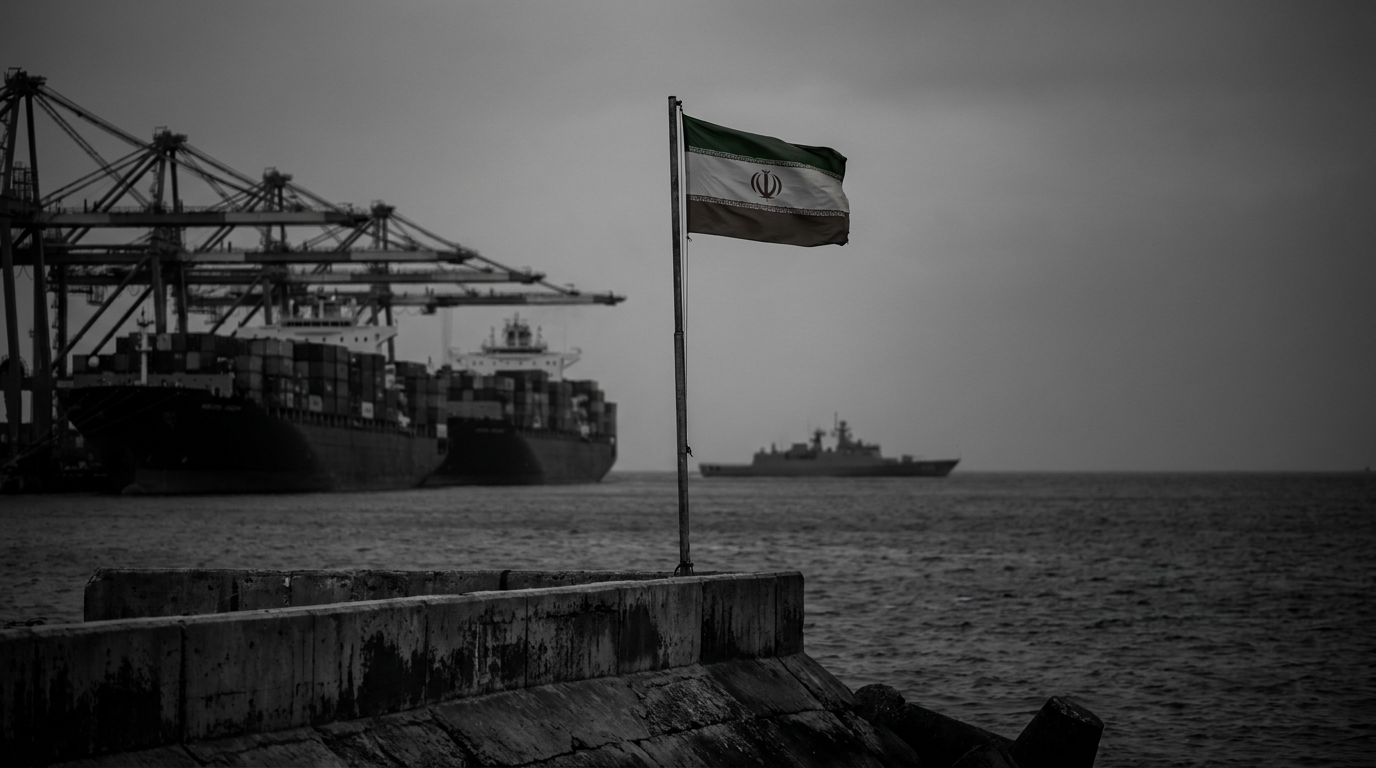
Iran is facing a sharp economic squeeze as a renewed United States naval blockade curbs crude exports and intensifies domestic fuel shortages, according to officials and the Ministry of Petroleum.
The blockade began in mid-July and has effectively stopped traffic through the Strait of Hormuz, which is described as the route for about 90 percent of Iran’s oil exports. Officials said the current naval enforcement by U.S. Central Command has pushed commercial vessels to divert and has disrupted critical infrastructure.
Strait of Hormuz disruption hits crude exports
The Ministry of Petroleum said Iran earned $11.5 billion in crude revenue during the conflict, but the blockade’s operational impact is now restricting export flows by limiting maritime passage. With traffic halted through the Strait of Hormuz, the export constraint is directly pressuring a central source of government income.
Officials framed the blockade as more than a shipping restriction, saying it is also affecting infrastructure needed to sustain energy operations. The combination of maritime disruption and damage onshore is widening the strain on production and logistics.
Gas output losses add pressure on power and industry
Authorities reported roughly 230 million cubic meters of daily natural gas production has been lost due to targeted strikes during the conflict. Officials said this reduction is tightening conditions for the power grid and lowering petrochemical output.
With less gas available each day, the knock-on effects are showing up in both electricity supply reliability and industrial feedstock availability, according to the reported figures. The losses are adding to existing difficulties from reduced crude exports.
Fuel deficit raises risk around price decisions
Inside the country, the government is managing a daily petrol deficit of more than 20 million liters. Officials are considering a significant increase in fuel prices to narrow the gap, according to the source material.
That option carries political and social risk. Officials pointed to Iran’s history of civil unrest following previous fuel-price hikes, leaving the government to balance supply pressures against the potential for public backlash.
Talks via Oman continue amid fiscal stress
Mediated discussions with Oman on reopening maritime corridors are continuing, officials said. Even with talks underway, the source material indicates the combined effect of infrastructure damage and export restrictions is still weighing on Iran’s fiscal position.
Iran’s budget is already under pressure, with the source material stating 60 percent of its annual oil revenue target has been reached under volatile wartime conditions. The timing and feasibility of restoring export flows remain an uncertainty as enforcement continues and damage is assessed.