Assam BJP courts Indigenous Muslim voters ahead of vote
Assam BJP courts Indigenous Muslim voters ahead of the April 10, 2026 election as demolitions and identity-based politics shape the campaign.
Lauren Collins ·
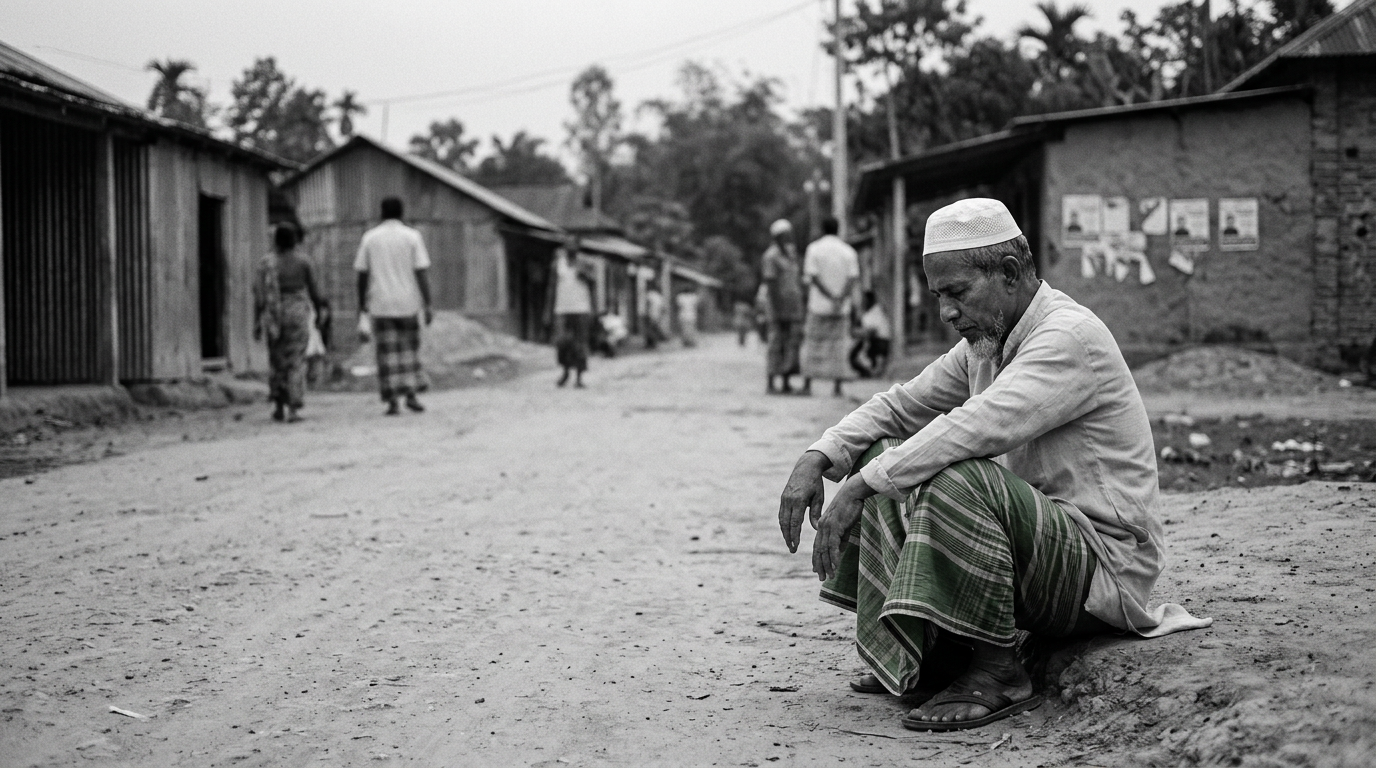
Assam’s ruling Bharatiya Janata Party (BJP) is intensifying outreach to Indigenous Muslim communities as the northeastern Indian state heads into a legislative assembly election on Thursday, April 10, 2026. The effort is aimed at helping the BJP secure a third consecutive term in Assam, where it has been in power since 2016.
Officials and party messaging have drawn a clear political distinction between Indigenous Assamese-speaking Muslims and Bengali-speaking Muslims. The latter group has faced government crackdowns, according to the account provided, while the BJP has sought to position Indigenous Muslim communities as native to Assam and therefore separate from those it describes as outsiders.
That approach has unfolded alongside enforcement actions that have affected Muslim-majority areas. On March 14, 2026, authorities demolished homes in Islampur, described as a predominantly Muslim neighborhood in Bongora, Guwahati. The demolitions displaced 400 families from 177 hectares (437 acres) of land, according to the details provided.
The episode has also highlighted disputes over identity and classification. One affected resident, Akram Ali, identified as an Indigenous Goriya Muslim. The Goriya community was recognized by the BJP as native to Assam in 2022, the source material said, even as the demolitions proceeded in the area described.
Chief Minister Himanta Biswa Sarma has said the government’s exclusionary policies—described as including evictions and arrests—are directed only at Bengali-origin Muslims. He has labeled that group “outsiders,” according to the account, while the BJP’s political outreach has focused on Indigenous Assamese-speaking Muslims as a distinct constituency.
Political analysts cited in the source material said the BJP’s engagement with Indigenous Muslims serves two stated political objectives. One is to soften perceptions of the party’s communal image. The other is to consolidate support in constituencies where Indigenous Muslims can influence outcomes.
Several constituencies were cited as examples of this electoral arithmetic. In Nalbari, Assamese Muslims make up over 25 percent of the 195,100 voters. In Barkhetri, about 80,000 of 217,028 voters are Assamese Muslims. The source also said this influence is especially important in Upper Assam, where Indigenous Muslims are described as decisive in seven to eight of the 39 seats.
With voting imminent, the central uncertainty is how effectively the BJP can maintain its differentiated appeal to Indigenous Muslim voters while its broader policies and enforcement actions continue to draw attention. The election result will determine whether the party extends its tenure beyond the period it has governed since 2016.