Waymo lease raises stakes for D.C. Council taxi bill vote
Waymo leased a third D.C. site while a council bill, including a proposed 200-vehicle cap, keeps its robotaxi launch waiting until 2028.
Sophie McAlister ·
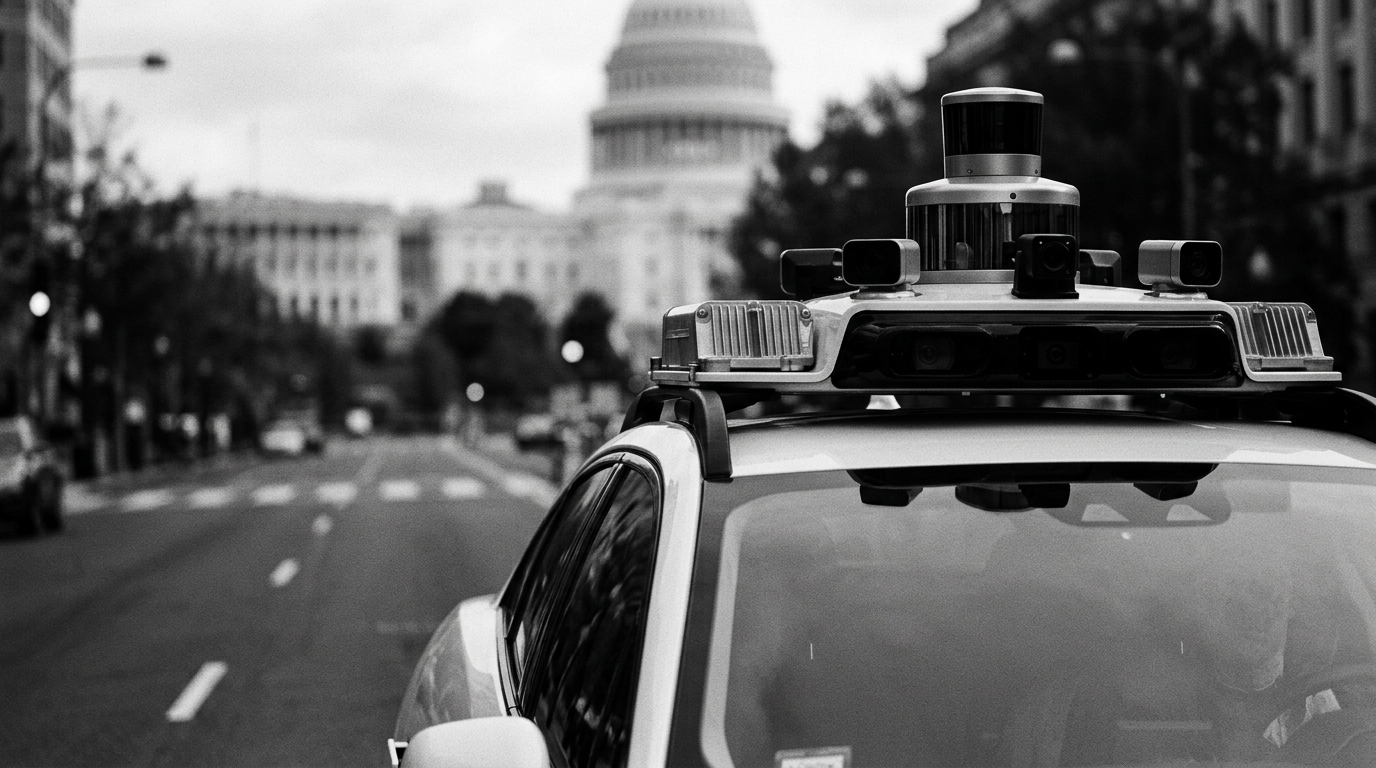
Waymo has leased a third D.C. site while a council bill keeps its robotaxi launch waiting. A proposed 200-vehicle cap is the fight.
The new lease, described by Matt Walsh, the company’s east coast policy chief, is Waymo’s largest local footprint so far. It is meant to support electric-vehicle charging and maintenance as the company prepares for a Washington service that still needs legislative clearance.
Third lease answers council doubts
Waymo is trying to show D.C. lawmakers that its driverless taxi plans include local operations, not just vehicles on city streets. The timing matters because council members are weighing rules that could define how many autonomous vehicles the company may deploy and when paid rides can start.
Walsh said the third location would add charging capacity and repair space, but Waymo has not disclosed the facility addresses. The company also declined to provide a total D.C. investment figure or a firm hiring target, describing both only in broad terms.
A separate site under construction in Northeast gives a clearer view of the planned buildout. The 32,000-square-foot space sits across from a Metrobus depot and is being designed as a repair and tire-service hub for Waymo’s sensor-equipped Jaguar SUVs.
Jaguar SUVs need tire work
The Northeast facility points to the less visible side of robotaxi service: charging, cleaning, tires and daily readiness checks. Walsh said heavier EVs can wear through tires faster, making local maintenance capacity part of the company’s operating case.
The jobs Waymo has identified include maintenance technicians, vehicle cleaners and autonomous specialists who work with testing vehicles. That employment pitch is aimed at a council debate shaped in part by concerns that driverless fleets could reduce work for human drivers.
For Waymo, the facilities are also a political signal. A leased site is harder to dismiss than a concept paper, and a repair shop in Northeast gives the company a neighborhood-level example as lawmakers examine whether autonomous service should be limited at launch.
A 200-vehicle limit narrows scale
Walsh said Waymo continues to oppose the bill’s proposed 200-vehicle ceiling. The company’s comparison point is the existing ride-hailing market, which Waymo believes puts more than 3,000 vehicles on D.C. streets.
The council could hold a final vote in the coming fall or winter. If the measure is approved on the current timeline, Waymo service would not begin until 2028, leaving the company with facilities and testing capacity before it has commercial approval.
The tension is straightforward: D.C. wants oversight before driverless cars become a large part of the transportation network, while Waymo wants enough scale to make the service useful. A low cap could contain early labor and traffic concerns, but it would also make the first version of the service smaller and slower to evaluate.
If the 200-vehicle limit remains, Waymo’s D.C. operations would likely start as a tightly bounded deployment centered on compliance, maintenance and measured ridership. That would reduce near-term pressure on the city’s ride-hailing market, while limiting the company’s ability to prove reliability at broader urban scale.
If lawmakers loosen the cap, the company would have more room to connect its leased facilities with a larger service area and a bigger local fleet. The sector effect would be a stronger test case for autonomous taxis in a dense East Coast city, with labor questions and curb management likely to stay at the center of the debate.
The next step is legislative, not technical. Waymo has added real estate and repair capacity; the D.C. Council now controls whether that buildout becomes a small pilot, a delayed launch or the start of a larger robotaxi market in 2028.