UK Drowning Deaths Rise as Heatwave Draws Crowds to Water
Nine people have died in UK water-related incidents during a heatwave, primarily due to cold water shock.
Lauren Collins ·
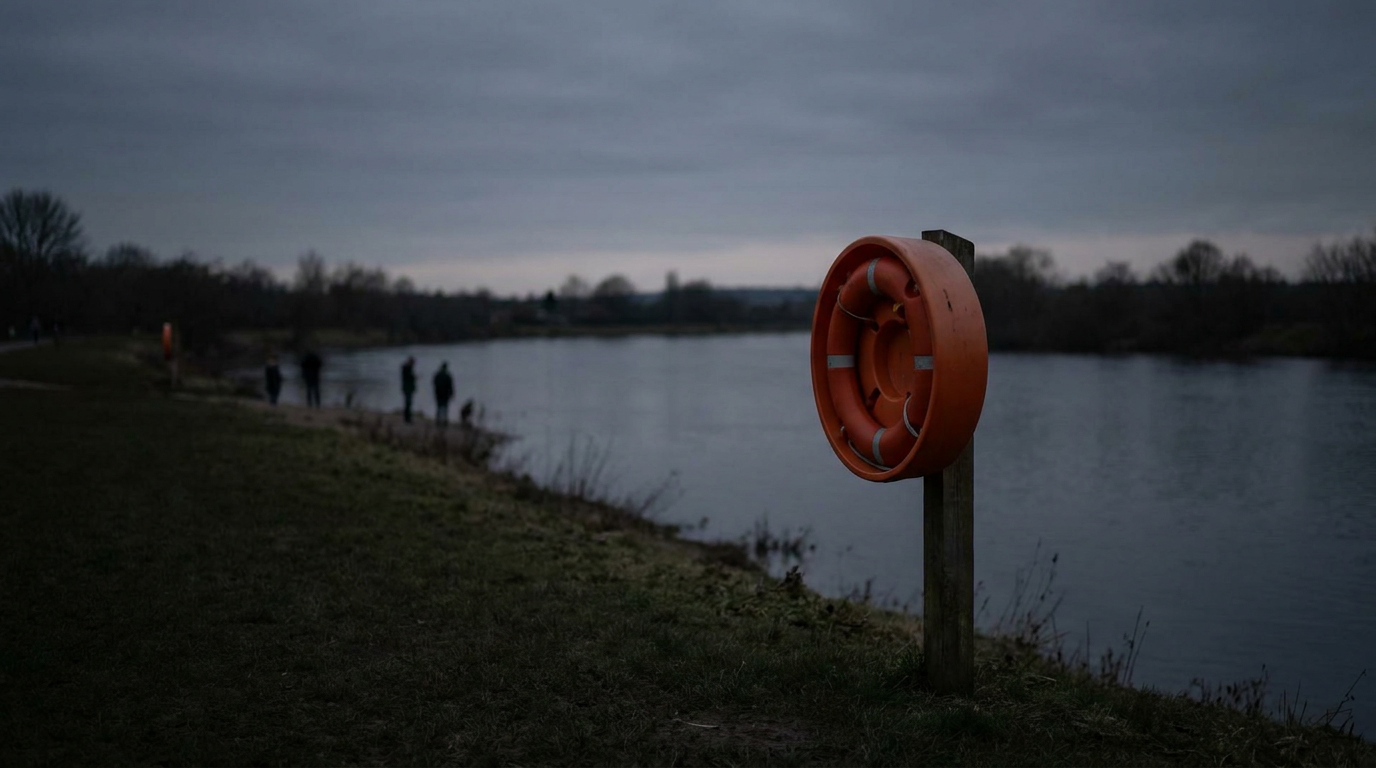
At least nine people, including seven young people, have died in water-related incidents across the United Kingdom in recent days as a national heatwave drove more people to rivers, lakes and beaches to cool off.
Emergency services reported deaths in a mix of inland waterways and coastal areas. Officials said the incidents included the recovery of a 17-year-old boy’s body from Pick Mere in Cheshire after he was last seen in the water.
A teenage girl and five boys also died in separate incidents in Yorkshire, Warwickshire, Hampshire, Lincolnshire and Lancashire, according to emergency services reports cited in the article.
Two additional deaths were reported on the coast. A man in his 60s died in Cornwall after entering the water to help relatives who had got into difficulty, and a 72-year-old woman died in Pembrokeshire, Wales, after being pulled from the water.
Cold-water shock cited as a major risk
Water safety experts said many fatalities at this time of year are linked to cold-water shock, a physiological response that can occur when people enter water far colder than their body temperature even when air temperatures are high.
Experts said the shock can trigger involuntary gasping and rapid breathing, raising the risk of inhaling water and drowning. The article also noted that cold-water shock is particularly dangerous when people jump or dive in, because they can gasp before they surface.
Research from Bournemouth University in 2024 found accidental drowning deaths were three times higher on days when temperatures rose above 25 degrees Celsius compared with average UK summer temperatures. The research cited in the article said the highest risk was among young men and those suspected of having consumed alcohol.
Safety guidance urges gradual entry and supervised sites
Experts urged the public to use supervised swimming locations where lifeguards are present and to enter the water gradually, allowing breathing to settle before swimming. The article said the most intense phase of cold-water shock occurs in the first 30 seconds and can last two to three minutes.
The National Water Safety Forum’s “Float to Live” campaign advises people who get into difficulty to roll onto their back, tilt their head back, and focus on calming their breathing before trying to move.
For bystanders trying to help someone else, the guidance described as “phone, float, throw” advises people to contact emergency services, encourage the person in the water to float on their back, and throw a buoyant object for them to hold until help arrives.
Officials and safety groups warned that as hot weather continues, more people may head to open water, making it important to understand cold-water risks and follow basic rescue advice.