Conditional Ceasefire Secures Hormuz Shipping
Iran-U.S. conditional ceasefire sets a two-week pause tied to safe Hormuz passage and a halt to U.S. attacks, after disruptions since Feb 27.
Lauren Collins ·
Iran and the United States announced a two-week conditional ceasefire , prompting crowds to gather in Tehran following the announcement. Officials said the arrangement was mediated by Pakistan's Prime Minister Shehbaz Sharif and is tied to maritime access through the Strait of Hormuz, a key route for global trade.
Under the terms described, Iran will allow safe passage for ships transiting the Strait of Hormuz in exchange for a halt to U.S. attacks. The agreement was presented as a time-limited pause, with the two-week duration explicitly framed as conditional on the linked commitments being met.
The ceasefire comes more than a month after Israel and the U.S. began attacks on Iran, which was followed by Iranian retaliatory strikes across the Gulf region. The sequence of actions and counteractions has contributed to a broader security shock in the Middle East, with effects extending beyond the immediate parties involved.
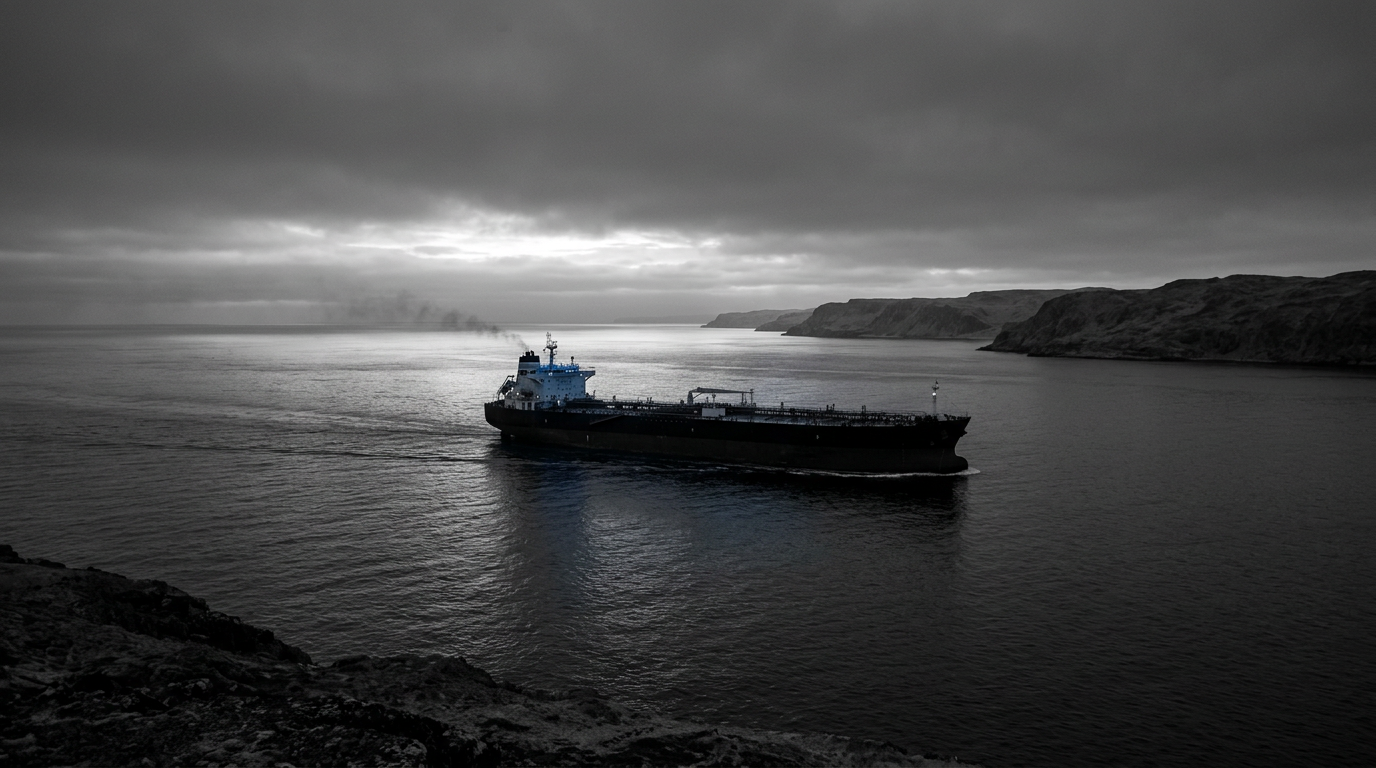
Shipping activity in the Strait of Hormuz was hit during the conflict. Data cited in the account pointed to a drop in vessel movements after the U.S.-Israeli offensive began on February 27, underscoring how quickly military escalation can disrupt commercial traffic in narrow maritime chokepoints.
Trade at major regional ports also faced disruption, including Dubai, as Iran’s blockade of the Strait affected flows. The ceasefire is intended to reduce tensions and support a return to more stable maritime operations on routes that are central to international commerce and energy-linked supply chains.
The announcement sits within a wider regional backdrop that remains active on multiple fronts. The same account referenced ongoing Israeli military operations in Lebanon aimed at infrastructure used by Hezbollah, alongside humanitarian concerns for displaced Palestinians in Gaza dealing with severe weather conditions.
While the ceasefire is described as a diplomatic step to prevent a wider conflict, the situation remains uncertain because the pause is conditional and limited to two weeks. The broader confrontation has already produced casualties and extensive damage across the Middle East, and the durability of any de-escalation will depend on whether the stated commitments—maritime passage and an end to U.S. attacks—hold during the ceasefire period.