Hilton Breach Exposes Hotel Security Flaws
Washington Hilton shooting highlights hotel security challenges: balancing safety, hospitality, and cost.
Ayla Demirhan ·
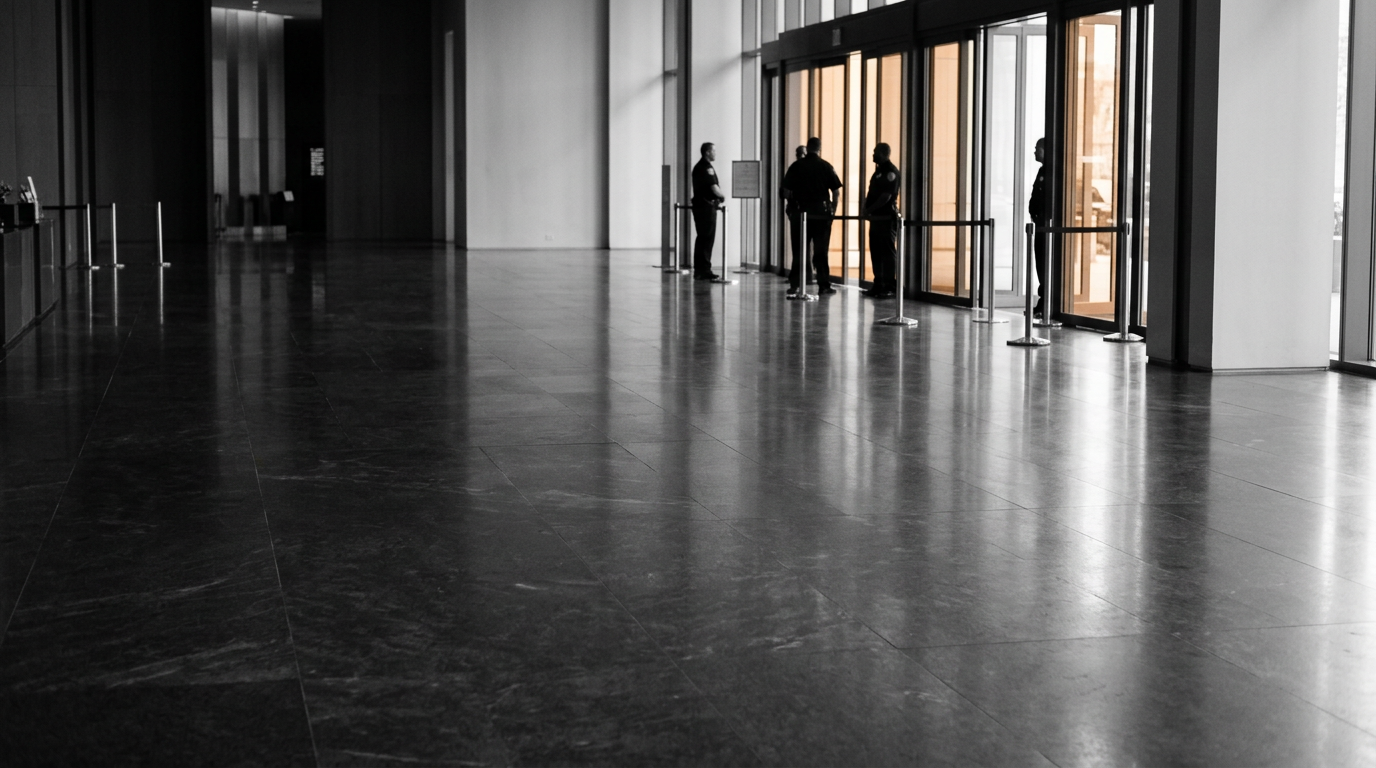
The April 26, 2026, shooting incident at the Washington Hilton, where a suspect fired a shotgun near the White House Correspondents' Association dinner, has intensified scrutiny on the hotel industry's persistent security vulnerabilities. The event, which saw President Donald Trump safely evacuated, underscored the difficulty hotels face in balancing robust security measures with maintaining a welcoming guest experience and managing high operational costs.
The suspect, identified as Cole Allen, 31, reportedly mocked the hotel's security in a manifesto, highlighting perceived lax measures. Security experts indicate that hotels are inherently challenging to secure due to multiple access points, continuous guest arrivals, and inconsistent screening protocols.
These factors create blurred lines between public and protected areas, which attackers have repeatedly exploited. Despite the top nine hotel, casino, and resort companies generating approximately $102 billion in 2025, the industry faces margin pressures that complicate significant security infrastructure investments.
While new security firms offer AI-powered monitoring solutions, hotels have been slow to adopt technologies that could increase costs or infringe on guest privacy. The American Hotel and Lodging Association states that hotels employ a layered approach to security, including trained staff, surveillance, and coordination with law enforcement.
However, the incident at the Washington Hilton, a site where President Ronald Reagan was shot in 1981, has prompted U.S. law enforcement officials to reassess security protocols for high-profile events at such venues.