Allies Resist US Call for Hormuz Military Action
International allies are resisting a U.S. call for military intervention in the Strait of Hormuz, citing NATO's defensive mandate.
Lauren Collins ·
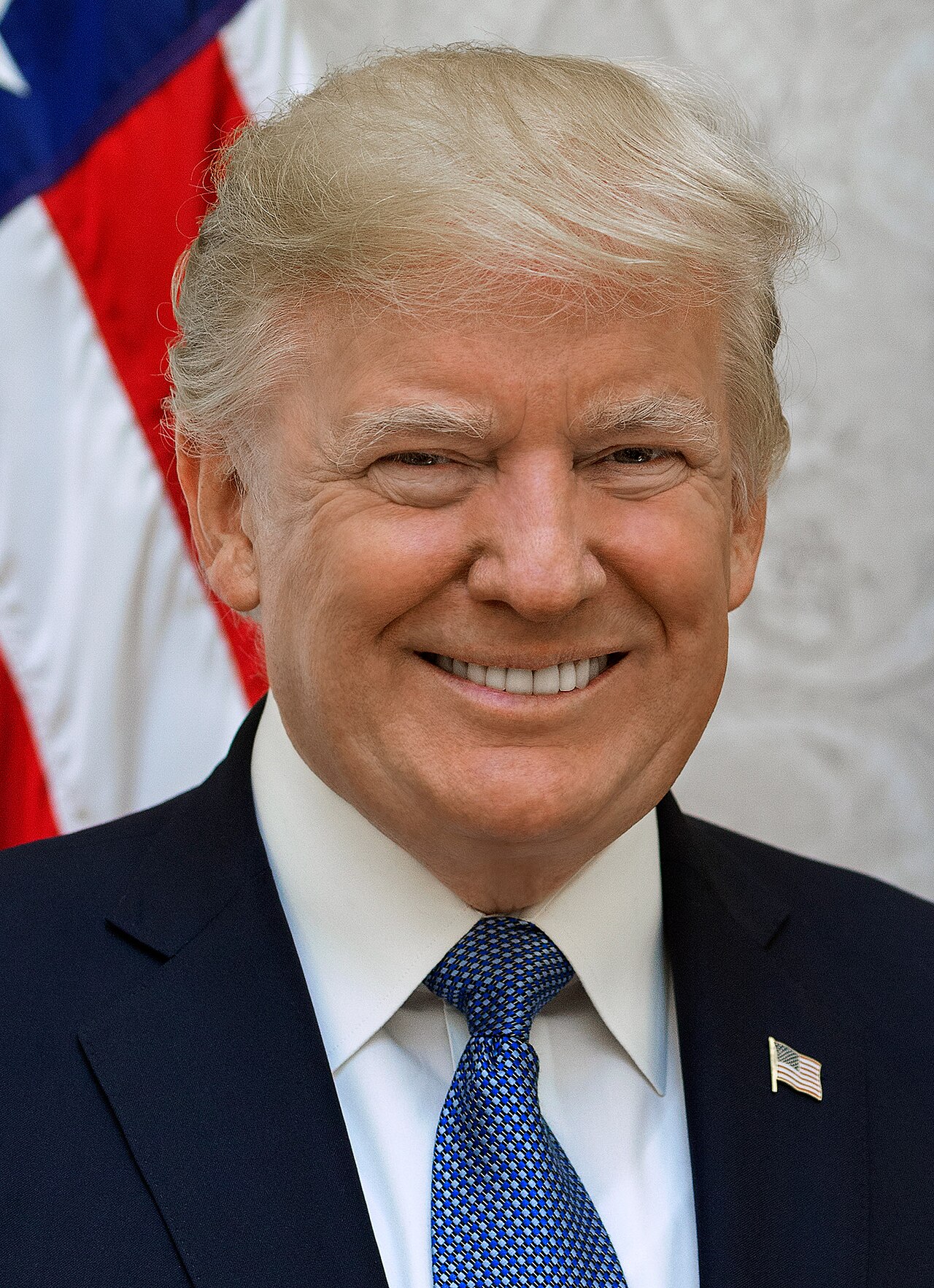
Key international allies are expressing significant reservations regarding a potential U.S.-led military intervention to secure the Strait of Hormuz. This reluctance follows suggestions from former U.S. President Donald Trump for NATO involvement, with allied nations emphasizing that such an action falls outside the alliance's defensive mandate.
Germany's government has explicitly stated that the ongoing tensions with Iran do not align with NATO's core mission. German Defence Minister Boris Pistorius questioned the practical impact of European naval contributions compared to the substantial capabilities of the U.S. fleet, highlighting a perceived imbalance in potential military effectiveness.
NATO's Defensive Mandate Questioned
General Sir Nick Carter, former UK Chief of the Defence Staff, reinforced the view that NATO operates as a defensive alliance. He underscored that its purpose is not to engage in discretionary conflicts, a sentiment that reflects broader European concerns about military commitments in the Middle East.
This collective stance from European partners indicates a lack of consensus for military action in the Persian Gulf region. Despite the recognized strategic importance of the Strait of Hormuz, a unified approach to military intervention has not materialized among traditional U.S. allies.
Strategic Discussions Underway
Discussions are ongoing among the United States, European nations, and Gulf partners to develop a viable strategy for regional security. However, these deliberations have yet to yield any definitive decisions or a clear path forward for addressing the Strait of Hormuz situation.
The United Kingdom is reportedly exploring the deployment of advanced seaborne drones for mine detection. This initiative comes as its conventional mine countermeasures vessel is undergoing maintenance, reflecting a shift towards new technologies in naval operations.
Evolving Naval Capabilities and Threats
Experts note a general decline in traditional minesweeping capabilities across many global navies. The effectiveness of newer technologies, such as the UK's proposed drones, in active combat scenarios remains largely untested, introducing an element of uncertainty into potential operations.
Iran's naval capabilities further complicate efforts to secure the vital shipping lane. These include a range of armed fast boats, naval drones, and shore-based missile systems, which pose significant challenges to any military operation in the strait. The presence of these assets suggests that a rapid resolution to the security concerns in the region is improbable.
Geopolitical Context and Implications
The Strait of Hormuz is a critical choke point for global oil shipments, with approximately one-fifth of the world's oil supply passing through it daily. Disruptions in this waterway have immediate and significant implications for international energy markets and global trade.
The divergence in foreign policy objectives between the U.S. and its European allies regarding Middle East military engagement has been a recurring theme. This situation underscores the evolving dynamics within traditional alliances and the differing interpretations of security threats and appropriate responses.
Implications
Country Impact: The reluctance of European allies to commit to military action in the Strait of Hormuz highlights a growing divergence in foreign policy priorities with the United States. This could strain alliance cohesion and necessitate new diplomatic approaches to regional security.
Industry Impact: The potential for disruption in the Strait of Hormuz, a critical oil transit point, poses a significant risk to the global energy industry. Uncertainty regarding security measures could lead to increased shipping insurance costs and volatility in oil prices.
Market Impact: Global financial markets may react to heightened geopolitical tensions in the Middle East, particularly if there are perceived threats to oil supply. This could manifest as increased volatility in commodity markets, particularly crude oil, and potentially impact broader equity and bond markets.