Zelenskyy Challenges EU on Russian Oil Imports
Zelenskyy questions EU on Russian oil imports as Hungary and Slovakia block €90 billion aid to Kyiv over Druzhba pipeline repairs.
Lauren Collins ·
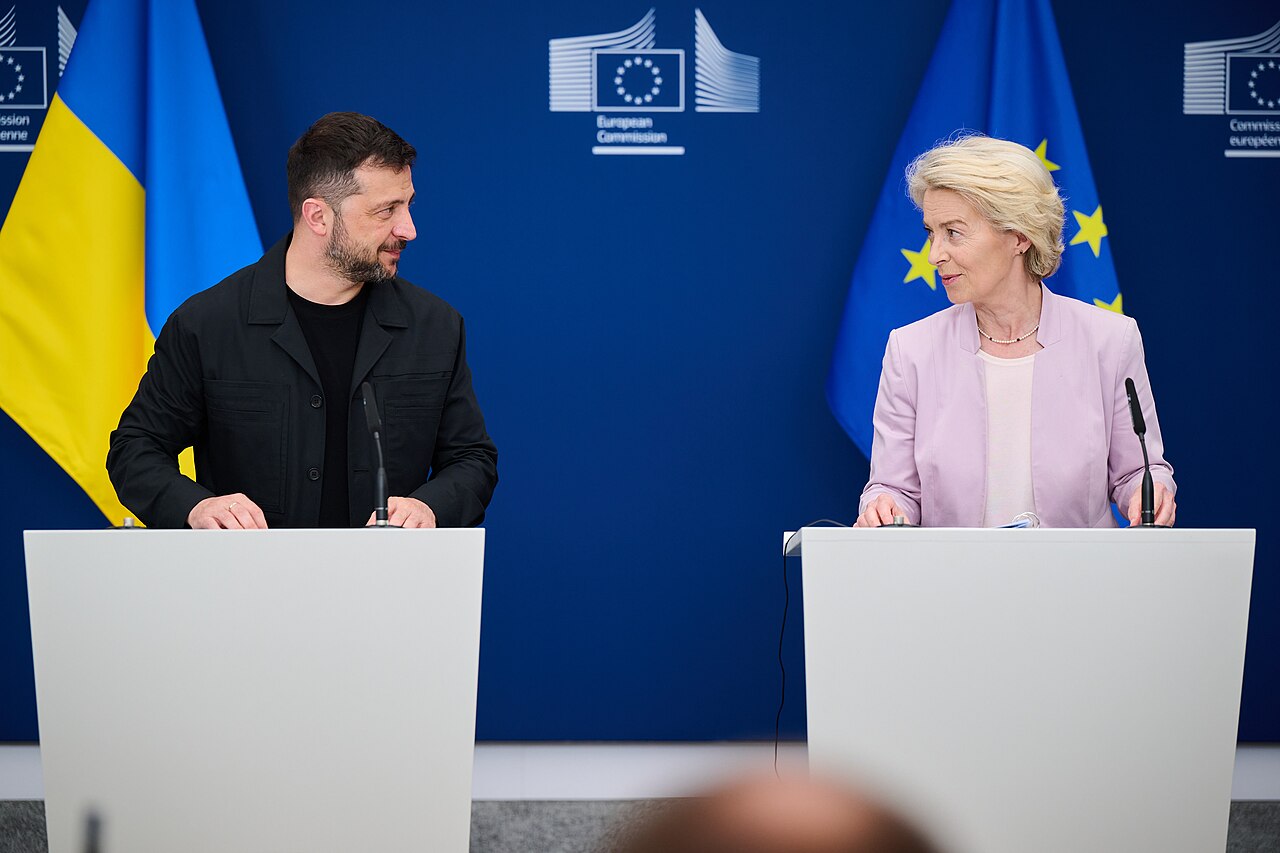
Ukrainian President Volodymyr Zelenskyy recently questioned European nations' commitment to reducing Russian oil imports. This query emerged amid ongoing discussions regarding the repair of the Druzhba pipeline, a critical energy conduit for several Central European states.
Hungary and Slovakia are currently impeding a substantial €90 billion European Union financial aid package to Kyiv. Their condition for releasing these funds is the swift repair of the Druzhba pipeline, which sustained damage in January from Russian military actions. Both nations assert that the pipeline's restoration is essential for their energy security.
Energy Security and EU Sanctions
President Zelenskyy emphasized that the core issue extends beyond pipeline repairs, focusing instead on Europe's collective decision regarding the resumption of Russian oil exports. This stance highlights a broader tension within the EU concerning energy policy and sanctions against Russia.
The United States has, in certain instances, temporarily eased sanctions on Russian oil, permitting countries such as India to continue purchases. This measure was reportedly implemented to stabilize global oil prices, particularly in the wake of recent conflicts in the Middle East involving Iran.
Druzhba Pipeline Dispute
Hungary and Slovakia, historically reliant on Russian energy supplies, are actively pushing for the Druzhba pipeline's reactivation. Hungarian Prime Minister Viktor Orbán has explicitly stated his intention to veto the EU's €90 billion loan to Ukraine until the pipeline is fully operational.
Both countries contend that the pipeline can be repaired quickly and have requested a fact-finding mission to assess the damage. The European Commission has indicated support for this request. However, Kyiv has faced criticism for its perceived reluctance to grant EU inspectors access to the damaged sections.
Broader Geopolitical Implications
This dispute over the Druzhba pipeline also intersects with the latest proposed EU sanctions package targeting Russia. Hungary and Slovakia are reportedly obstructing this package, which includes a ban on maritime services for Russian oil, further complicating the bloc's unified response to the conflict in Ukraine.
The situation underscores the complex interplay between energy security, economic sanctions, and geopolitical alliances within Europe. The resolution of the Druzhba pipeline issue and the EU loan to Ukraine will likely have significant implications for regional stability and the effectiveness of international sanctions regimes.
Implications
Country Impact: The dispute highlights divisions within the European Union regarding energy policy and sanctions against Russia, particularly affecting Ukraine's financial stability and its ability to secure crucial aid. Hungary and Slovakia's actions underscore their national energy security priorities over broader EU solidarity.
Industry Impact: The energy sector, particularly oil and gas, faces continued uncertainty due to geopolitical tensions and sanctions. The reliance of some EU members on Russian energy infrastructure, like the Druzhba pipeline, complicates efforts to diversify supplies and implement unified sanctions.
Market Impact: Global oil markets could experience volatility depending on the resolution of pipeline issues and sanctions enforcement. The blocking of EU aid to Ukraine may also introduce uncertainty into European financial markets, impacting investor confidence in regional stability.