Moscow Air Defenses Intercept Over 60 Drones
Russian air defenses intercepted over 60 drones targeting Moscow on March 14, 2026, leading to temporary airport closures.
Lauren Collins ·
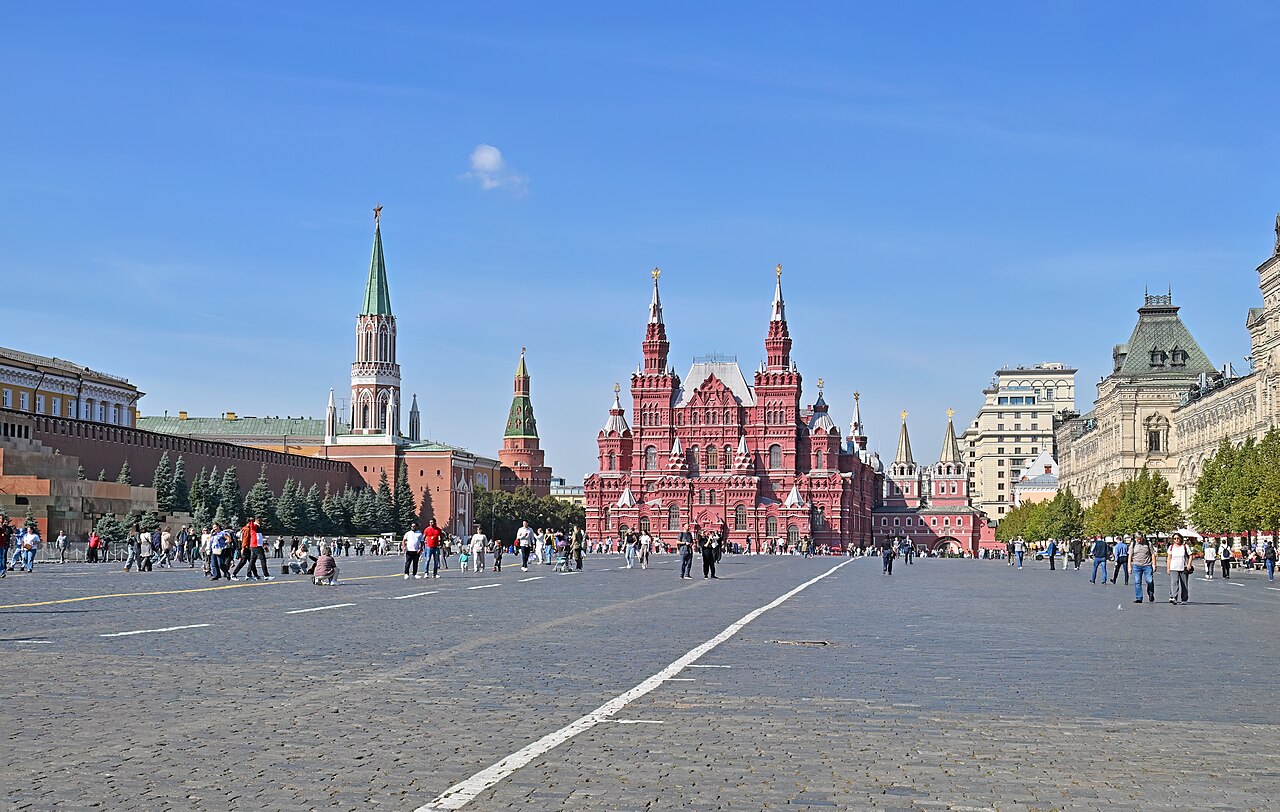
Russian air defense systems successfully intercepted more than 60 unmanned aerial vehicles (UAVs) targeting the Moscow region on March 14, 2026. Moscow Mayor Sergey Sobyanin confirmed the extensive drone activity, which prompted temporary disruptions to air travel at several major airports serving the capital.
Operations at Domodedovo, Vnukovo, and Zhukovsky international airports were briefly suspended as a precautionary measure. This incident marks a significant escalation in drone incursions targeting Russian territory, particularly its capital city.
Extensive Drone Activity Reported
The Russian Ministry of Defense provided a broader assessment, stating that a total of 280 Ukrainian drones were destroyed across various Russian regions within a 10-hour timeframe on the same day. This figure includes the drones intercepted over Moscow Oblast, indicating a coordinated and widespread aerial assault.
Emergency services were deployed to the sites where drone fragments or debris fell. Initial reports from Moscow indicated no casualties or significant damage resulting from the intercepted drones, suggesting the defense systems were effective in preventing direct impacts on critical infrastructure or populated areas.
Context of Cross-Border Attacks
This event occurs within a broader pattern of increased drone attacks targeting Russian territory since the full-scale invasion of Ukraine began in February 2022. Ukrainian forces have increasingly utilized drones for reconnaissance and strike missions, often targeting military installations, energy infrastructure, and, at times, urban centers within Russia.
Previous incidents have included drones reaching areas close to the Kremlin and other sensitive locations, prompting Russia to bolster its air defense capabilities around key cities. The scale of the March 14 attack, with over 60 drones specifically aimed at Moscow, represents one of the largest such attempts.
Implications for Air Travel and Security
The temporary closure of Moscow's airports underscores the operational challenges posed by such drone incursions. Flight suspensions can lead to significant delays and economic costs for airlines and passengers, highlighting the vulnerability of civilian aviation to aerial threats.
Authorities continue to assess the full scope of the incident and review air defense protocols. The sustained nature of these drone attacks suggests an ongoing effort to disrupt Russian operations and potentially impact public perception within Russia regarding the conflict.
Implications
Country Impact: The extensive drone attack highlights Russia's ongoing security challenges and the increasing reach of Ukrainian aerial capabilities. It could prompt further enhancements to Russian air defense systems and potentially influence domestic public sentiment regarding the conflict.
Industry Impact: The temporary closure of major airports in Moscow demonstrates the vulnerability of civilian aviation infrastructure to drone threats. This could lead to increased operational costs for airlines due to delays and the need for enhanced security protocols around airfields.
Market Impact: While no direct market impact was immediately reported, sustained drone activity targeting major economic centers could introduce uncertainty. This might affect investor confidence in Russian assets and potentially impact insurance premiums for critical infrastructure.