Volkswagen weighs German plant closures, 100,000 cuts
Volkswagen is weighing closing four German sites and raising planned job cuts to 100,000, with the proposal set for discussion on July 9.
Atlas Newsdesk ·
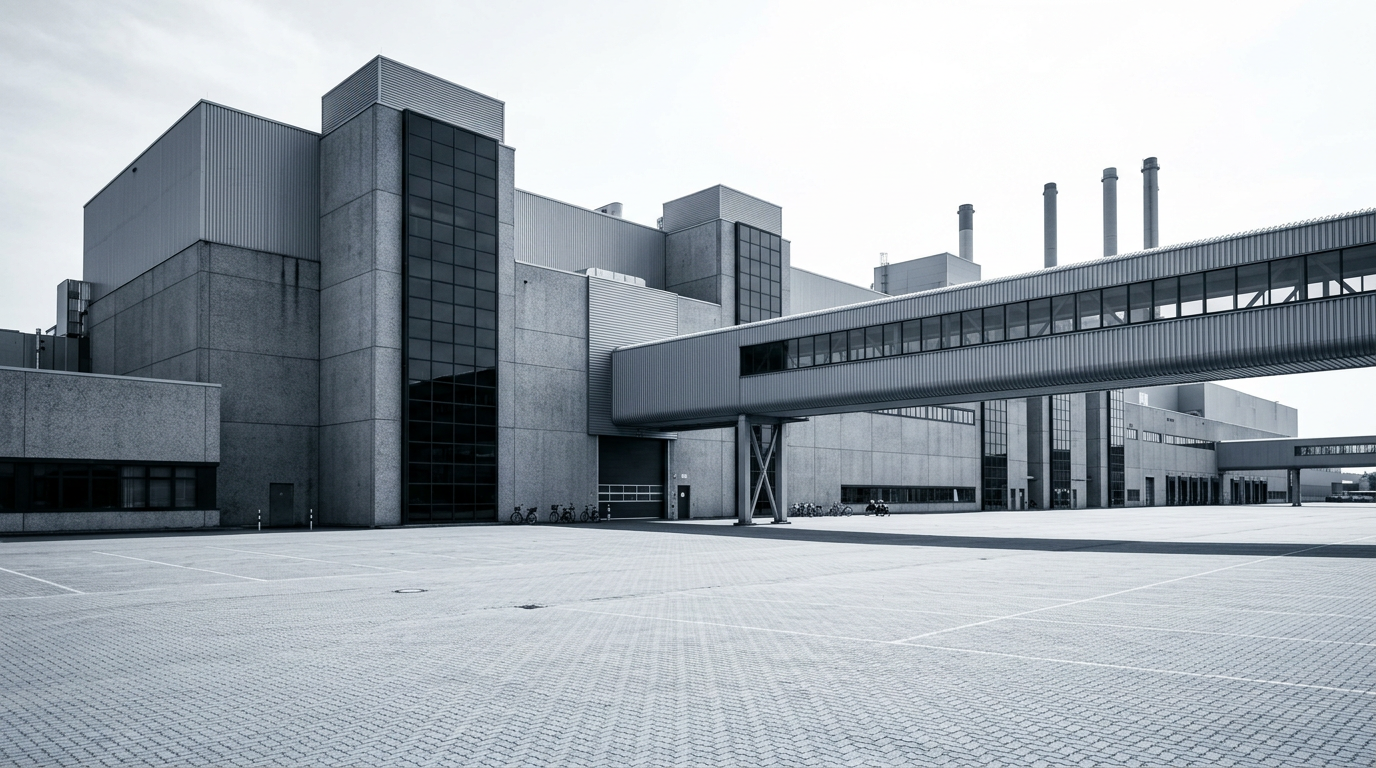
Volkswagen is weighing the closure of four factories in Germany and could expand its planned workforce reduction to as many as 100,000 roles, according to two people familiar with the discussions.
The possible moves, which would represent one of the largest restructurings ever contemplated by a major automaker, are expected to be reviewed by the company’s supervisory board at a meeting scheduled for July 9, the people said.
Proposal targets four sites and expands existing cuts
The factories named in internal deliberations are the plants in Hanover, Zwickau and Emden, along with Audi’s site in Neckarsulm, the people said. If those locations were to be shut, more than 45,000 jobs could be exposed to risk.
Those potential closures would come on top of an already announced plan to reduce headcount by about 50,000. Taken together, the package under consideration could push total reductions to around 100,000 positions.
In scale, the combined job losses and the removal of four assembly sites would be unprecedented for the sector in absolute terms, based on comparisons typically drawn with historic restructuring waves at large U.S. automakers. Analysts and industry veterans often cite General Motors’ plant actions and major layoffs leading into and during its 2009 bankruptcy, as well as the early-1990s downsizing that involved tens of thousands of job cuts and numerous facility closures or idlings.
Competitive and policy pressures squeeze VW’s Europe model
The internal debate is unfolding as Volkswagen faces intensifying competition from Chinese carmakers, which have rapidly increased the pace of product launches and pricing pressure, particularly in electric vehicles. At the same time, tougher trade conditions for vehicles shipped into the United States are adding uncertainty to export economics.
Volkswagen is also contending with weaker demand across parts of Europe, a challenge that directly affects factory utilization and profitability in its home market. The company has previously warned that these dynamics are undermining the sustainability of its existing cost structure and operating model.
Germany remains central to Volkswagen’s industrial footprint, but it is also one of the costliest manufacturing environments in its global network. When volumes soften, fixed costs tied to large plants and long-established labor arrangements can become harder to absorb, amplifying the pressure to consolidate production.
Governance and labor politics set up a difficult July decision
People familiar with the matter said supervisory board members have been briefed ahead of the July 9 session, where the proposed measures are expected to be debated. Any decision is likely to draw intense scrutiny because Volkswagen’s governance structure gives labor representatives and public stakeholders substantial influence.
Volkswagen CEO Oliver Blume presented the outline of the approach to senior managers earlier in the week, the people said, seeking to build internal alignment before the supervisory board meeting. The company is expected to face resistance from unions and from the state of Lower Saxony, which holds a significant stake and has historically played a prominent role in major employment and site decisions.
The immediate next step will be the July 9 supervisory board discussion, which could clarify whether the company pursues closures, accelerates job reductions, or adjusts the scope of its plan. Investors, employees, and suppliers will be watching for signals on timing, potential negotiations with labor groups, and how Volkswagen intends to protect competitiveness while managing the social and political costs of a dramatic reset.