Dollar rally gains steam as banks rethink de-dollarization
The US dollar outlook is turning more bullish after new Fed chair Kevin Warsh pledged to restore price stability, prompting higher rate expectations.
Atlas Newsdesk ·
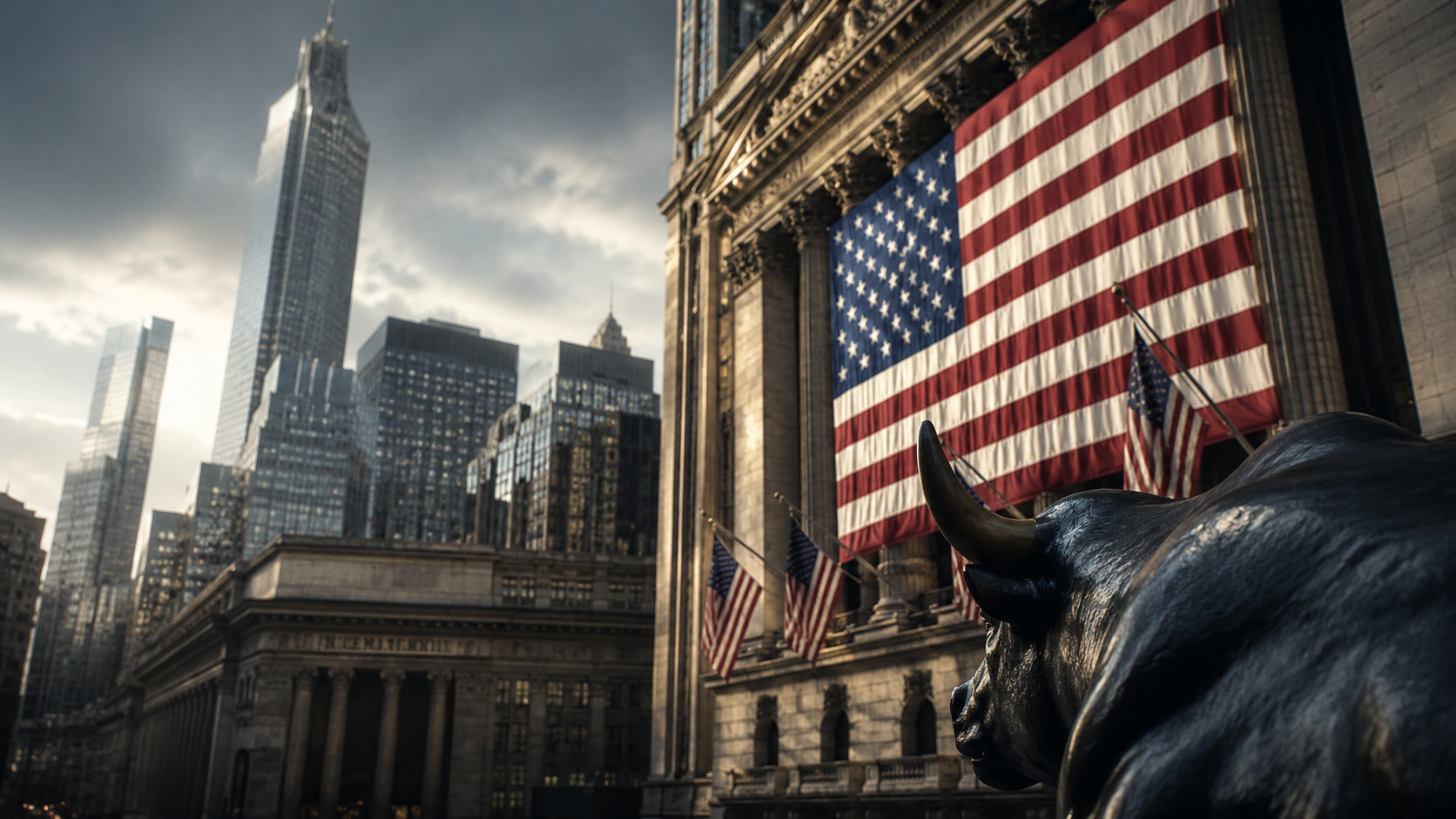
The US dollar is regaining supporters on Wall Street as global investors reprice interest-rate expectations following a tougher inflation stance from the Federal Reserve.
Currency teams at major banks including JPMorgan, Bank of America and Goldman Sachs have shifted to a more constructive view on the greenback after new Fed chair Kevin Warsh said restoring price stability is a priority. That signal has encouraged traders to increase bets on additional US rate hikes.
The change marks a sharp contrast with last year’s popular narratives that centered on de-dollarization, fears of US currency dilution and the idea that investors should hedge exposure to America. Those themes have faded as markets focus on a widening advantage in US yields and signs of durable US growth.
Rate expectations move the center of the debate
Strategists point to monetary policy differentials as the clearest driver of renewed dollar confidence. Meera Chandan, co-head of global FX strategy at JPMorgan, said the Fed has effectively “switched on” a bullish dollar view by keeping the prospect of tighter policy alive.
In that framing, the key issue is not simply whether the Fed hikes, but whether other central banks can narrow the gap. Chandan argued the outlook suggests foreign peers are unlikely to catch up quickly enough for yield spreads to compress meaningfully against the dollar.
Market pricing currently implies a limited path of further tightening, with roughly one to two quarter-point increases anticipated through early next year. Jayati Bharadwaj, global FX strategy head at TD Securities, said a larger and more persistent rise in the dollar would likely require the Fed to deliver more than that baseline.
Strong US growth and AI investment add support
Support for the currency is not coming solely from the central bank. Bank strategists also cite the US economy’s resilience, which reduces the odds that policy must be reversed quickly and keeps real-return comparisons favorable to dollar assets.
Another pillar is investment linked to artificial intelligence. Analysts say AI-driven corporate capital spending is helping sustain equity inflows as investors position for potential productivity improvements, a backdrop that can reinforce demand for US assets and, by extension, the dollar.
Those flows matter because they can amplify the impact of rate differentials. When equity and corporate-investment narratives strengthen at the same time that the Fed sounds more determined on inflation, currency positioning often shifts toward treating the dollar as both a yield play and a growth-linked currency.
What would confirm the bullish turn
For now, the bullish case hinges on two variables: how far the Fed is willing to go, and whether foreign central banks remain constrained by softer growth or easing inflation pressures. If the Fed maintains a restrictive bias while peers pause, the rate gap could remain a tailwind for the dollar.
Conversely, the market’s current assumption of only one or two quarter-point moves suggests room for either a hawkish surprise or a dovish disappointment. Bharadwaj’s view implies that without additional hikes beyond what is priced, the dollar’s upside may be more limited and could depend more on continued US outperformance and inflows tied to the AI theme.
The next test will come from incoming inflation readings and policy guidance that clarifies whether Warsh’s commitment to price stability translates into a longer hiking path. Investors will also watch whether AI-related spending remains strong enough to keep funneling capital into US equities, reinforcing the currency’s renewed appeal.