Oil prices gain as fragile U.S.-Iran ceasefire is tested
Oil prices rose as Israel ordered troops deeper into Lebanon, stoking fears that clashes with Hezbollah could imperil a fragile Washington-Tehran ceasefire.
Lauren Collins ·
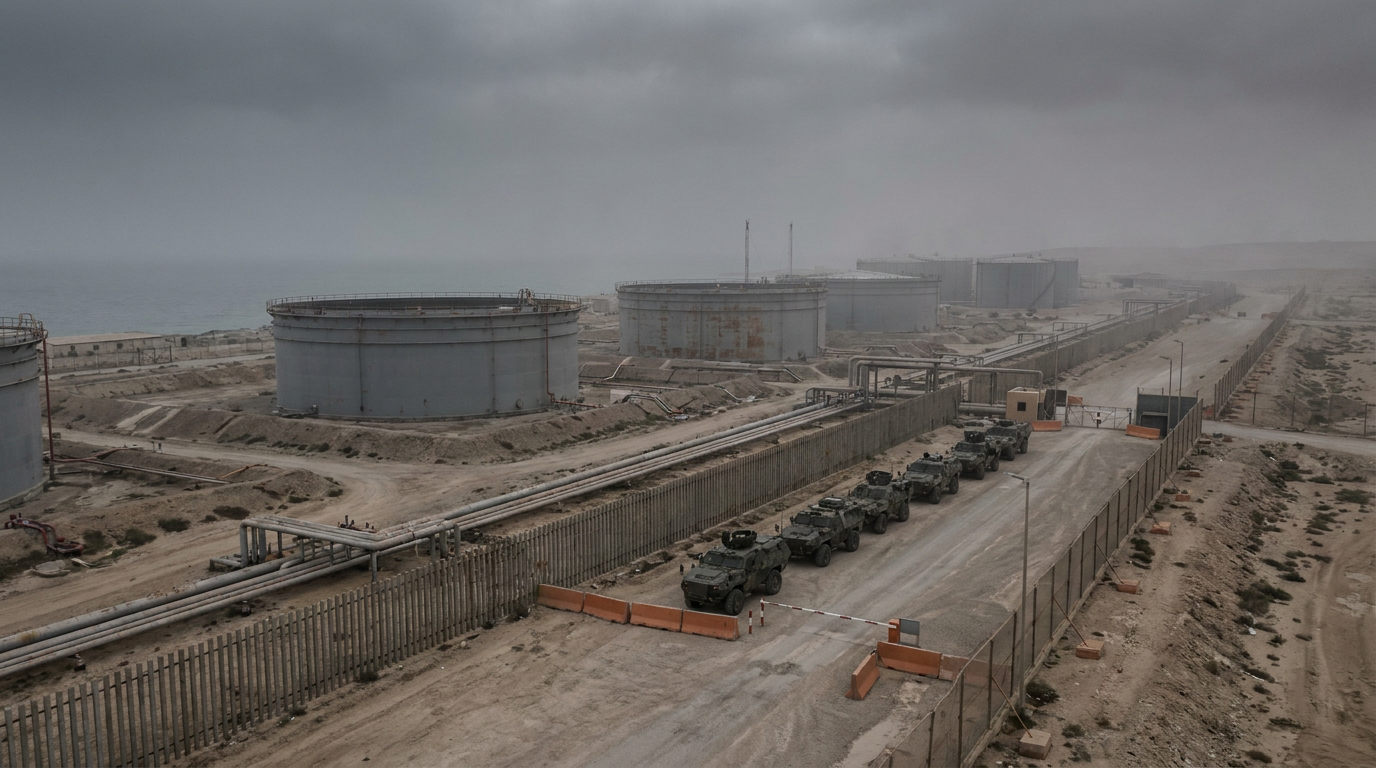
Oil prices rose as Israel ordered troops deeper into Lebanon, stoking fears that clashes with Hezbollah could imperil a fragile Washington-Tehran ceasefire.
Brent, the international benchmark, gained 2.45% to $93.35 a barrel, while U.S. benchmark WTI was up 2.8% to $89.78. The advance came in early Monday trading amid renewed geopolitical risk.
Quotes were volatile overnight. A delayed ICE print showed August 2026 Brent at $93.25, up 2.34%, as of 2:33 a.m. BST, underscoring the bid for crude as headlines crossed.
Frontline moves and diplomatic backdrop
"Together with Defense Minister Yisrael Katz, I instructed the IDF to expand the maneuver in Lebanon," Prime Minister Benjamin Netanyahu said Sunday. The directive came despite a ceasefire declared in April and followed escalating exchanges with the Iran-backed Hezbollah group.
The push north of Israel’s border landed two days after U.S.-brokered Israeli-Lebanon talks in Washington on Friday. The escalation dimmed hopes that Washington and Tehran were nearing an extension of their ceasefire arrangement, a development traders treated as a fresh supply-risk signal.
Market calculus and demand risks
Goldman Sachs said risks to its fourth-quarter 2026 crude forecasts of $90 for Brent and $83 for WTI are "two-sided." The bank cautioned that persistent Middle East supply disruptions could lift prices, while weakening demand could create meaningful downside.
Goldman estimated that soft April retail fuel sales in China and Western Europe together imply around 2 million barrels per day of downside risk to its already subdued demand outlook. That assessment tempers the geopolitical premium now forming in futures curves.
Winners, losers, and policy stakes
Higher prices generally support exporters and upstream producers, while squeezing import-dependent economies and fuel-sensitive sectors such as airlines and logistics. Consumers face pressure at the pump if gains persist, tightening household budgets.
For U.S. policymakers, energy stability intersects with security diplomacy. The White House is mediating between regional actors even as markets react to the possibility that clashes could unsettle the fragile ceasefire arrangement with Tehran.
The balance now turns on events rather than models. Additional Israeli operations, any Hezbollah response, and signals from Washington and Tehran will set the tone for crude, alongside incoming demand data that could confirm or contradict April’s softness.
With prices near recent highs, traders will watch whether risk premiums broaden or fade into the week. Volatility remains elevated as supply anxiety runs up against concerns about slowing consumption.