Visa scrutiny of foreign journalists tests Trump’s press-freedom posture
Washington is confronting whether visa enforcement could become a pressure point against foreign journalists whose coverage angers the government.
Lauren Collins ·
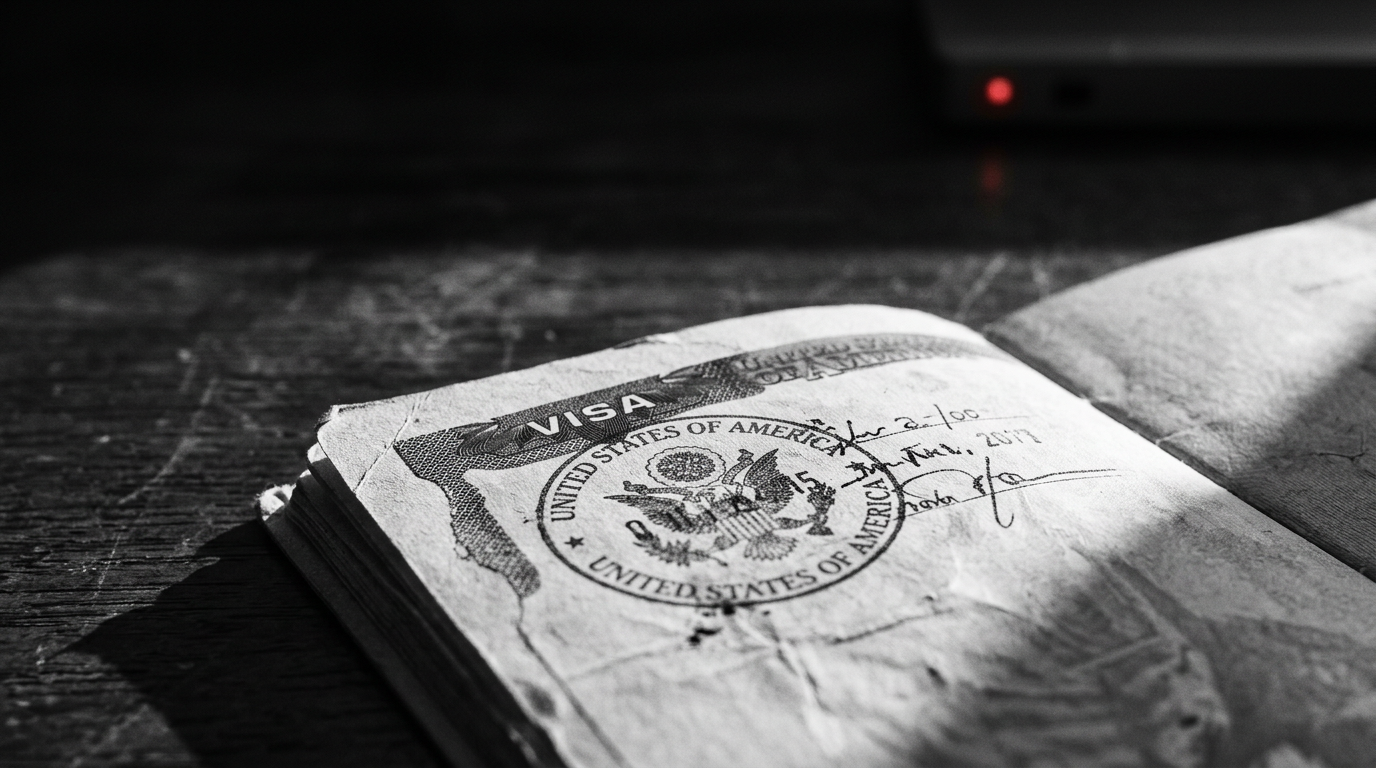
Visa scrutiny of foreign journalists tests Trump’s press-freedom posture
President Trump’s administration faces new scrutiny in Washington on September 19 over whether visa enforcement could be used against foreign journalists after a published opinion essay compared the tactic with controls used by Russia, China and Iran. No public directive has been released that explicitly ties visa outcomes to unfavorable reporting, but the charge has landed in a capital already primed for fights over immigration power, press access and foreign influence.
The question for Washington is narrower than the rhetoric around it: whether the White House, State Department or Department of Homeland Security will treat a foreign journalist’s coverage as a factor in visa compliance, entry decisions or future admissibility. If they do, the United States would risk weakening one of its standard diplomatic arguments against governments that punish independent media through travel bans, accreditation delays or selective enforcement.
Foreign journalists who work in the United States typically rely on the I visa category, which covers representatives of foreign media whose work is informational, documentary or journalistic. The category does not create an automatic right to enter or remain in the country; consular officers abroad and border officials at entry still screen applicants for eligibility, security concerns and compliance with visa terms.
That legal structure gives the executive branch real discretion. It also creates a policy fault line: visa enforcement can be defended as routine administration when it targets fraud, overstay violations or security risks, but it becomes politically charged if officials appear to link immigration status to the content or tone of reporting.
President Trump
The First Amendment protects press activity inside the United States, including by foreign news organizations operating here, but visa issuance itself sits largely within executive authority. That means the key guardrail is often not a courtroom test at the front end, but whether agencies keep written policy, internal guidance and public explanations separate from viewpoint or retaliation.
The Washington players are familiar. The White House sets the political direction. The State Department handles most visa adjudication through consular posts and manages the diplomatic consequences when another country retaliates. DHS controls border inspection and some immigration enforcement inside the country. Congress can demand documents, hold hearings or write limits into appropriations and authorization bills.
The comparison with Russia, China and Iran carries diplomatic weight because US officials have often criticized those governments for using accreditation, visas and entry rules to constrain foreign correspondents. Beijing and Moscow have both used media access disputes as part of wider geopolitical confrontations with Washington; Tehran has long used detention, intimidation and access restrictions against journalists in ways US officials describe as coercive.
For allies, the issue is less ideological than practical. Foreign bureaus in Washington include reporters from treaty allies, major trading partners and countries whose domestic audiences rely on US-based correspondents to explain American policy. If those journalists begin to see visa renewal as vulnerable to political displeasure, coverage of the White House, Congress and federal agencies could become more cautious or more adversarial, depending on the newsroom and country involved.
The Trump administration has strong immigration powers it can lawfully use, including screening for national security, fraud and foreign government direction. The risk comes if those tools blur with a political test. A reporter who violates visa rules is one case; a reporter whose coverage irritates officials is another.
Congress would likely become the main venue if the dispute moves from accusation to policy. Democrats could frame hearings around press freedom and constitutional norms. Some Republicans could support tougher scrutiny of state-directed media while resisting a standard that appears to punish ordinary reporting. The dividing line would be whether the target is foreign government influence or journalism itself.
Think tanks and press-freedom groups would also shape the debate. Their influence in Washington rarely comes from votes; it comes from drafting hearing questions, briefing staff, documenting precedent and giving lawmakers language to distinguish national security screening from retaliation. In a visa fight, that distinction would determine whether the administration can defend the policy beyond its own political base.
The global macro effects would not show up first in markets or trade data. They would show up in diplomatic friction, reciprocal access limits and a weaker US hand in press-freedom disputes abroad. If Washington narrows the space for foreign journalists at home, governments criticized by the United States would gain an immediate talking point when they restrict American or allied reporters.
For the media sector, the operational effect would be direct. Foreign outlets with Washington bureaus depend on predictable visa renewals, accreditation and travel access. Even a small number of denials tied publicly to coverage could force editors to rethink staffing, rotate correspondents more often or move some work outside the United States.
The falsifiable test is whether, by December 18, 2026, a formal memo, directive, briefing statement or bill text explicitly links foreign journalist visa outcomes to coverage, reporting behavior or editorial posture. If such a document appears, the policy fight would shift from rhetoric to evidence: globally, Washington would face higher retaliation risk and weaker leverage in press-freedom diplomacy; for foreign media organizations, visa planning would become a core legal exposure; for the wider news industry, the precedent would invite copycat restrictions by governments already hostile to independent reporting. If officials instead deny any punitive use of visas, affirm that compliance reviews will not consider viewpoint, and Congress produces bipartisan resistance to retaliation against journalists, the near-term effect would be containment rather than escalation.