US Seeks Brazil Mineral Curbs for Tariff Relief
The US is leveraging tariff relief to pressure Brazil into restricting Chinese state-controlled investment in its critical minerals and mining sectors.
Lauren Collins ·
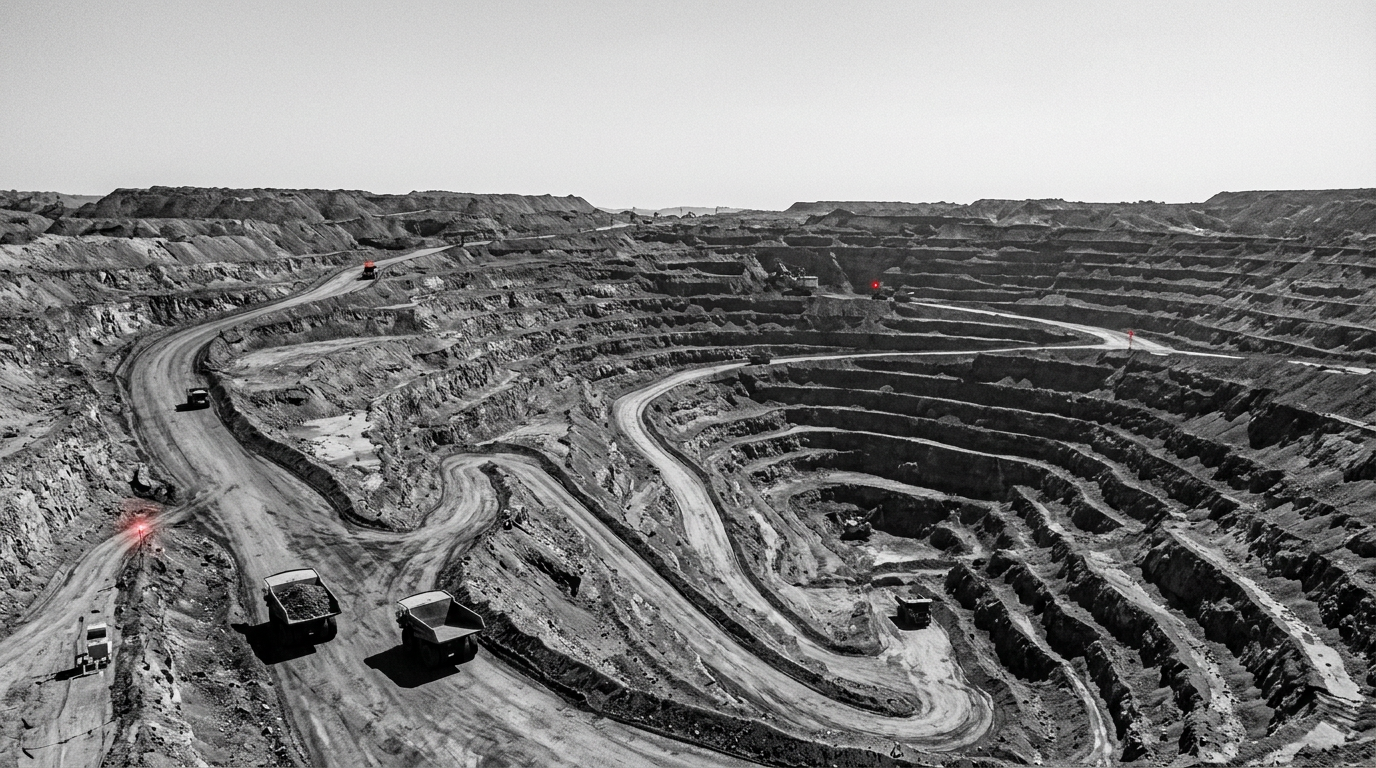
The United States has conditioned the removal of 50 percent tariffs on Brazilian goods, imposed during President Trump's administration, upon Brazil’s agreement to restrict Chinese investment in its critical minerals sector. Washington requested that Brasilia implement a formal review process for mining asset sales, specifically targeting transactions involving state-controlled entities.
Aligning Mineral Supply Chains
Proposed terms include mandatory advance notification to US authorities regarding mining divestments and the establishment of a right-of-first-refusal window for American firms. These measures aim to curb the influence of what US officials term "non-market actors" in the supply chains for nickel and rare earth elements.
Brazil's Trade Balancing Act Brazilian officials interpret these demands as a direct Brazilian officials interpret these demands as a direct challenge to their economic relationship with China, which serves as the nation's primary trading partner. The integration of trade policy with critical mineral security signals a shift toward using tariff leverage to influence foreign industrial governance and supply chain alignment. Global Macro Implications This US initiative highlights growing geopolitical competition over essential resources. If Brazil accepts the conditions, it could lead to diversified supply chains for the US but may strain Brazil's economic ties with China. Conversely, rejection might maintain Brazil's trade status quo with China but prolong US tariffs on its goods, impacting its export economy. The situation poses a test for global resource allocation and trade diplomacy.