Vietnam Faces Jet Fuel Shortage, Flight Reductions
Vietnam anticipates flight reductions from April 2026 due to jet fuel shortages caused by export bans from China and Thailand.
Lauren Collins ·
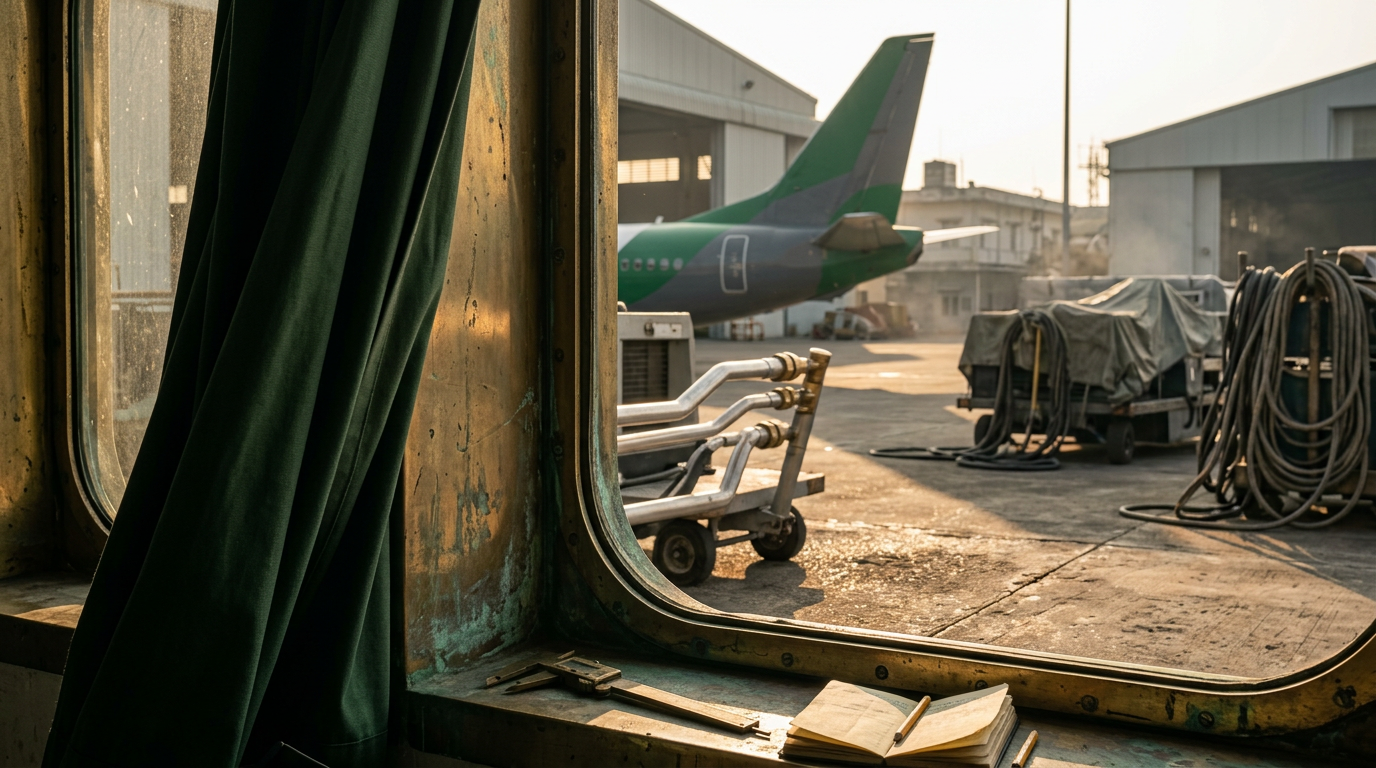
Vietnamese aviation authorities are anticipating potential flight reductions beginning in April 2026 due to an impending jet fuel shortage. This situation arises from export bans imposed by China and Thailand, which are primary suppliers for Vietnam's aviation sector. The Civil Aviation Authority of Vietnam (CAAV) has alerted airlines and airports to prepare for operational adjustments.
Vietnam imports over two-thirds of its jet fuel, with approximately 60% historically sourced from China and Thailand. Both nations implemented export restrictions in early March 2026. China initiated a comprehensive ban on refined fuel exports on March 11, while Thailand restricted fuel oil exports to all countries except Myanmar and Laos on March 6.
Supply Chain Disruptions Emerge
Major Vietnamese fuel importers, including Petrolimex and Skypec, have confirmed secure jet fuel supplies only through March. Uncertainty surrounds contract renewals and availability for April, prompting concerns across the aviation industry. This development follows broader geopolitical tensions, specifically the U.S.-Israel conflict with Iran, which has influenced global energy markets.
Diplomatic Efforts and Domestic Capacity
In response to the looming crisis, Vietnam has engaged in diplomatic discussions. Foreign Minister Le Hoai Trung addressed energy security with Chinese Foreign Minister Wang Yi on March 16. Separately, Prime Minister Pham Minh Chinh sought assistance from Thailand's ambassador on March 15, highlighting the urgency of the situation.
Vietnam's domestic refining capacity is insufficient to meet the country's jet fuel demand, making it heavily reliant on imports. Efforts to secure alternative suppliers are reportedly underway but present significant logistical and financial challenges. The global market for jet fuel has also seen considerable price volatility.
Market Impact and Airline Adjustments
Jet fuel prices have surged, with front-month paper swaps in Singapore trading around $157 per barrel. This represents a substantial increase compared to pre-conflict levels, impacting airline profitability and the credit lines available to importers. Airlines, such as Sun PhuQuoc Airways, are reportedly reviewing their flight schedules and preparing for potential adjustments.
Airport operators are also making preparations for increased aircraft parking requirements, anticipating a reduction in flight frequencies. The situation underscores Vietnam's vulnerability to international energy market fluctuations and geopolitical events, necessitating a re-evaluation of its energy supply chain resilience.
Implications
Country Impact: Vietnam faces immediate economic disruption, particularly in its aviation and tourism sectors. The reliance on imported jet fuel highlights a strategic vulnerability that could prompt a re-evaluation of energy security policies and diversification of supply sources.
Industry Impact: The aviation industry in Vietnam is directly impacted by potential flight reductions, increased operational costs due to higher fuel prices, and logistical challenges. Airlines may need to adjust routes, frequencies, and pricing, affecting profitability and passenger travel.
Market Impact: Global energy markets could see continued volatility, particularly for refined products, as regional supply disruptions ripple through the system. The situation may also influence investor confidence in Vietnamese aviation stocks and related industries, while potentially boosting demand for alternative fuel sources or suppliers.