Vance Signals Push for More Hormuz Energy Flows
Vance said on Aug. 8, 2026, the US wants more oil and gas moving via the Strait of Hormuz as Washington keeps lines open with Iran.
Mateo Fernandez ·
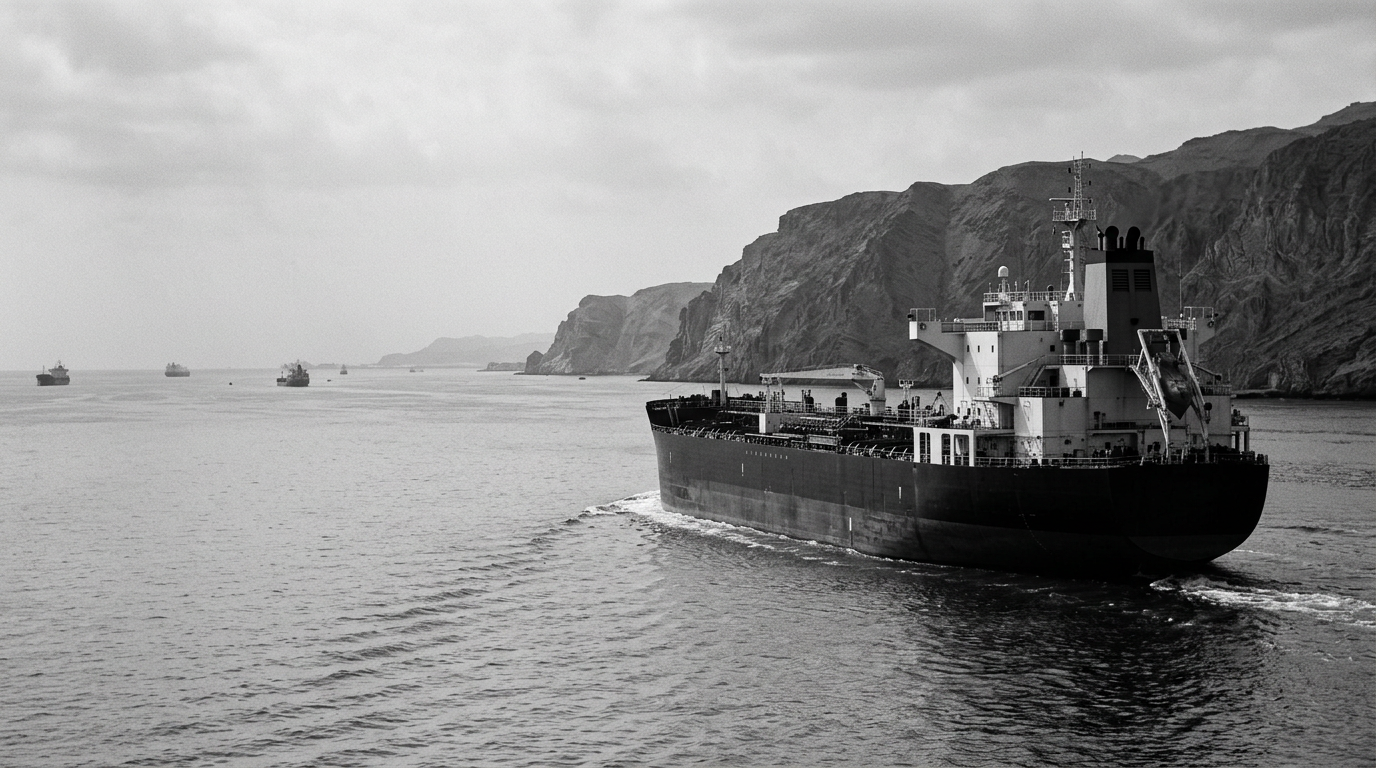
US President JD Vance said on August 8, 2026, that Washington is working to increase the amount of oil and natural gas moving through the Strait of Hormuz, putting the strategic waterway back at the center of US-Iran diplomacy.
Officials said communication with Iran is continuing. Vance did not outline a volume, a timetable, a shipping approach, or any enforcement details tied to the planned increase in flows.
Strait of Hormuz returns to the diplomatic agenda
The comments elevate Hormuz as an immediate policy focus because the strait is a key link between Gulf producers and global buyers. As a result, changes in traffic through the route can influence crude oil, refined product, and natural gas supply chains.
Vance’s remarks did not specify how an increase would be achieved in practice. The absence of operational detail leaves uncertainty over what would change for tankers or gas cargoes in the near term, even as officials describe ongoing contact with Iran.
Market focus shifts to safety perceptions and logistics
The immediate question for energy markets is not only whether more barrels of oil or more gas cargoes can move through Hormuz, but whether insurers, shipowners, and buyers treat the passage as safer. That assessment can shape whether any policy intent translates into higher throughput and more predictable deliveries.
For the White House, the stated approach suggests an active policy channel: if discussions with Iran remain intact and maritime movement improves, effects would be expected first in tanker scheduling and the availability of spot cargoes. If communication weakens or shipping risk rises, companies dependent on Gulf-linked flows could instead face higher freight costs, increased insurance expense, or delays.
Industry implications depend on execution details
How the initiative is carried out would determine which parts of the energy system feel the impact most. Producers could benefit from clearer export routes, while refiners and utilities would likely monitor delivered costs closely. Traders, in turn, would evaluate whether any sustained change in traffic conditions is reflected in crude and gas benchmarks.
By August 9, 2026, the near-term test will be whether US officials provide more specifics, including a volume target, a shipping timetable, or details on how higher Hormuz flows would be secured. Until then, the statement leaves markets with a directional signal but limited operational guidance.