US sees Strait of Hormuz pact near; Iran cites terms first
Iran says Strait of Hormuz talks with Oman are close, but U.S. compensation demands and a UAE missile claim keep reopening uncertain.
Lauren Collins ·
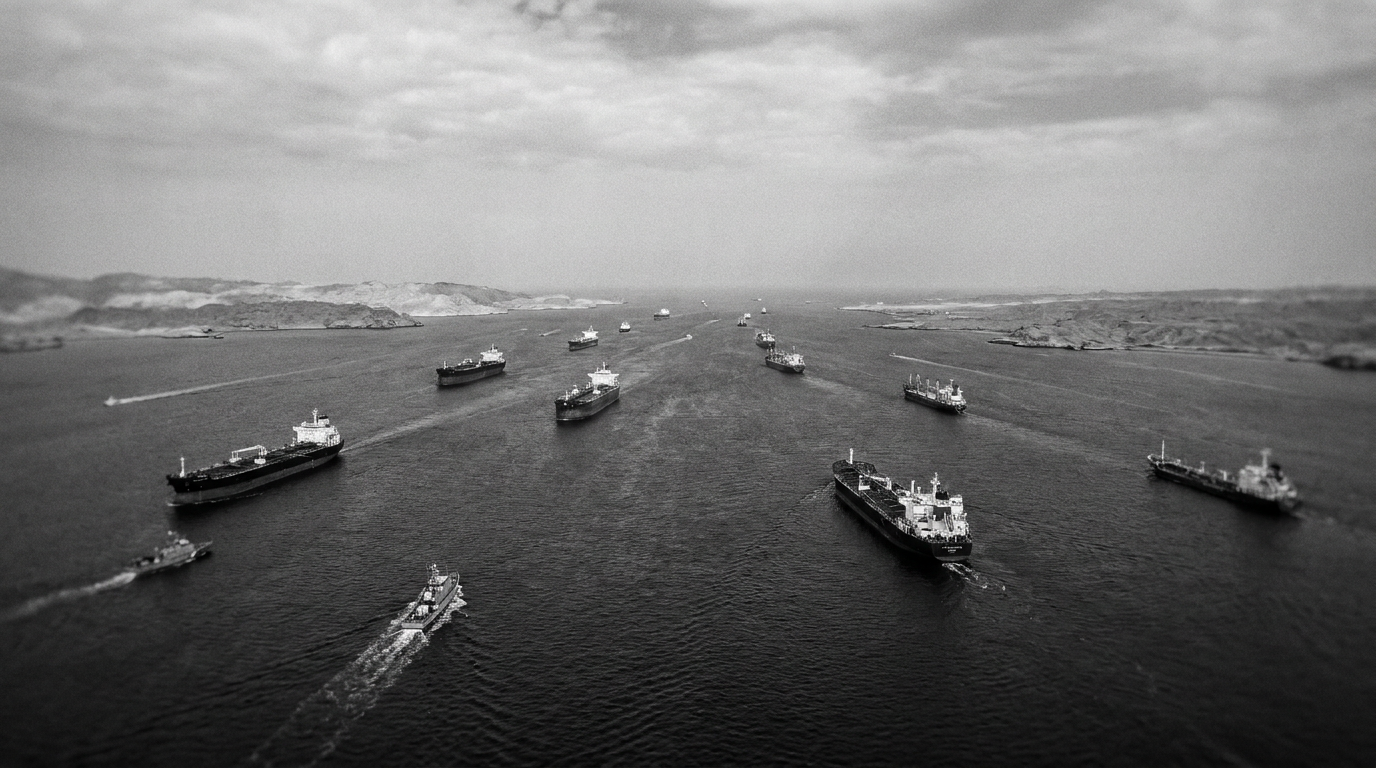
Strait of Hormuz talks with Oman are near a deal, Iran said, but Tehran tied any reopening to U.S. compensation and other terms.
The Iranian position checked expectations that a technical arrangement between the two coastal states would quickly restore oil shipping through the channel. A U.S. official who was not named had said on Friday that Washington expected an Iran-Oman agreement soon, allowing oil traffic to return to routine patterns.
Iranian Foreign Minister Abbas Araqchi said Tehran and Muscat were "very close" to settling on a new route for ships. He also said the prior traffic-separation arrangement was no longer acceptable to Iran, and that talks were covering an interim lane while legal and technical questions around a lasting route were addressed.
Oman route narrows dispute
The Strait of Hormuz sits between Iran and Oman, making both governments central to any workable maritime plan. The current talks appear to focus on control, routing and the rules vessels would follow before a fuller political settlement could be reached.
For Iran, the route negotiations preserve leverage beyond the nautical details. Araqchi linked reopening to additional conditions, including U.S. compensation to Iran, while the Revolutionary Guards said the United States must accept Iran's terms.
The dispute is part of a wider conflict that began after February 28 strikes by the United States and Israel against Iran. An agreement over the strait is described by the parties as a necessary step toward a broader deal, but Tehran is presenting it as only one piece of a larger bargain.
UAE missile claim widens risk
The United Arab Emirates added a new point of tension by saying Iran had hit another vessel in the strait with a missile. That claim has not been independently corroborated here, and it leaves shippers, insurers and energy buyers weighing political talks against reported military activity in the same waterway.
For companies moving crude and refined products, the immediate question is less diplomatic language than operational certainty. A temporary corridor could lower the risk of delay if ships, naval forces and port authorities accept the same procedures.
If missile incidents continue, any route agreement could carry a higher insurance and security cost than a normal reopening would suggest. That would affect the wider shipping and energy sector before it reached consumers, through freight pricing, scheduling decisions and contract terms.
Three conditions shape reopening
One scenario is a narrow Iran-Oman route deal that separates maritime traffic from compensation talks. If that holds, the global macro effect would be a reduction in one supply-chain risk; Iran would keep political claims alive while permitting movement, and the shipping industry would gain a clearer corridor.
A second path is a stalled reopening if U.S. compensation remains central to Iran's position. In that case, the macro effect would be continued uncertainty around oil flows; Iran would retain leverage but face pressure over disruption, and energy traders and insurers would keep pricing the strait as a contested route.
A third path turns on the UAE allegation. If further attacks are reported or confirmed, security risk could overtake route design as the binding constraint; that would weigh on energy importers globally, complicate any deal involving Iran and Oman, and push shipowners toward more costly protection or delays.
The main open questions are whether Washington accepts any linkage between compensation and reopening, whether Oman and Iran can finalize a temporary lane, and whether reported attacks in the strait continue. Until those points are settled, a near agreement on routing does not by itself amount to a reopened waterway.