Senate bill may trigger 100% US tariffs on India exports
A Senate Russia-sanctions bill could enable up to 100% extra US tariffs on Indian exports if India keeps buying Russian crude, a think tank said.
Mateo Fernandez ·
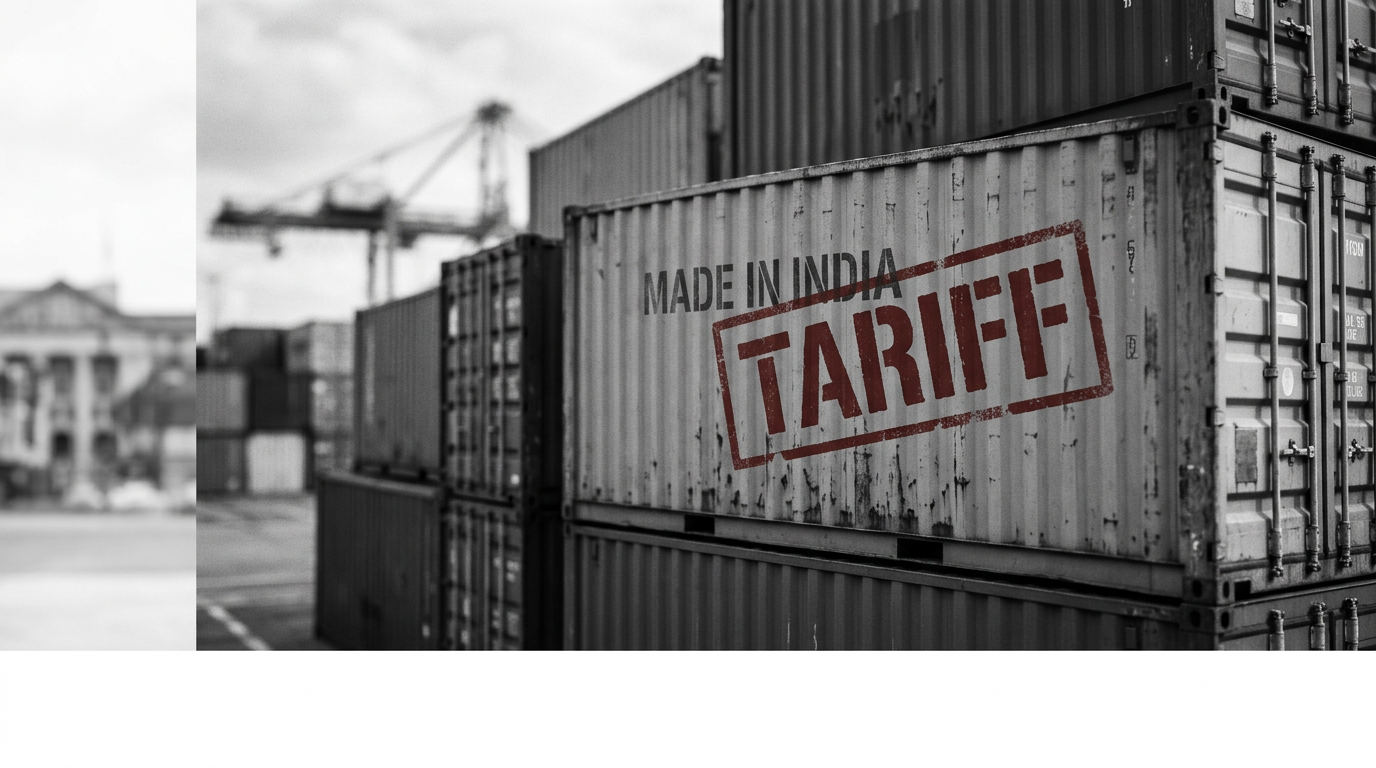
A US Senate bill tied to Russia sanctions could open the door to steep additional US tariffs on imports from India, depending on how the legislation advances and whether India continues to purchase Russian crude, a US think tank warned.
In its current approved form, the Senate measure could allow US authorities to impose extra duties of as much as 100% on goods imported from countries that keep buying Russian crude, the think tank said. The group described the exposure as conditional and not automatic.
Tariff exposure is tied to continued Russian crude purchases US Senate The think tank’s analysis said the tariff risk would apply only if purchases of Russian crude continue and if the enabling language remains intact through subsequent steps in the legislative process. If either condition changes, the ability to apply additional duties could narrow or disappear. The potential impact would be concentrated on shipments destined for the US market, the brief noted. That focus means the direct tariff exposure described in the analysis is tied to exporters whose sales depend on US buyers. Exporters could face immediate pricing and logistics pressure If additional duties were imposed, higher border costs would raise the effective price of affected products for US importers and buyers, the think tank said. The brief added that buyers might respond by shifting orders, renegotiating terms, or seeking alternative suppliers.
For exporters and trade-dependent firms, the analysis pointed to near-term operational strain. It said companies could be forced to rework supply chains or accept margin losses if they absorb some of the added cost to keep orders flowing.
Legislative timeline and diplomatic complications
The think tank also flagged the prospect of added trade friction between New Delhi and Washington while energy purchases persist. It described this as a diplomatic complication that could develop alongside commercial pressures on firms that sell into the US market.
On timing, the analysis said that if the US House passes matching language by September 30, 2026, additional duties could be enacted and begin affecting shipments to the United States in the following months. That sequencing would create a decision point for firms and policymakers, the brief said, between altering oil sourcing and bearing higher tariff costs.
Market reaction was not yet evident, the source material noted, and the final scope would depend on whether the House adopts parallel language and whether the relevant provisions remain in place through further legislative action.