Troops Can Sue Contractors, High Court Rules
U.S. troops can sue contractors after a Supreme Court 6-3 ruling on April 22, 2026, tied to a 2016 Bagram attack case.
Lauren Collins ·
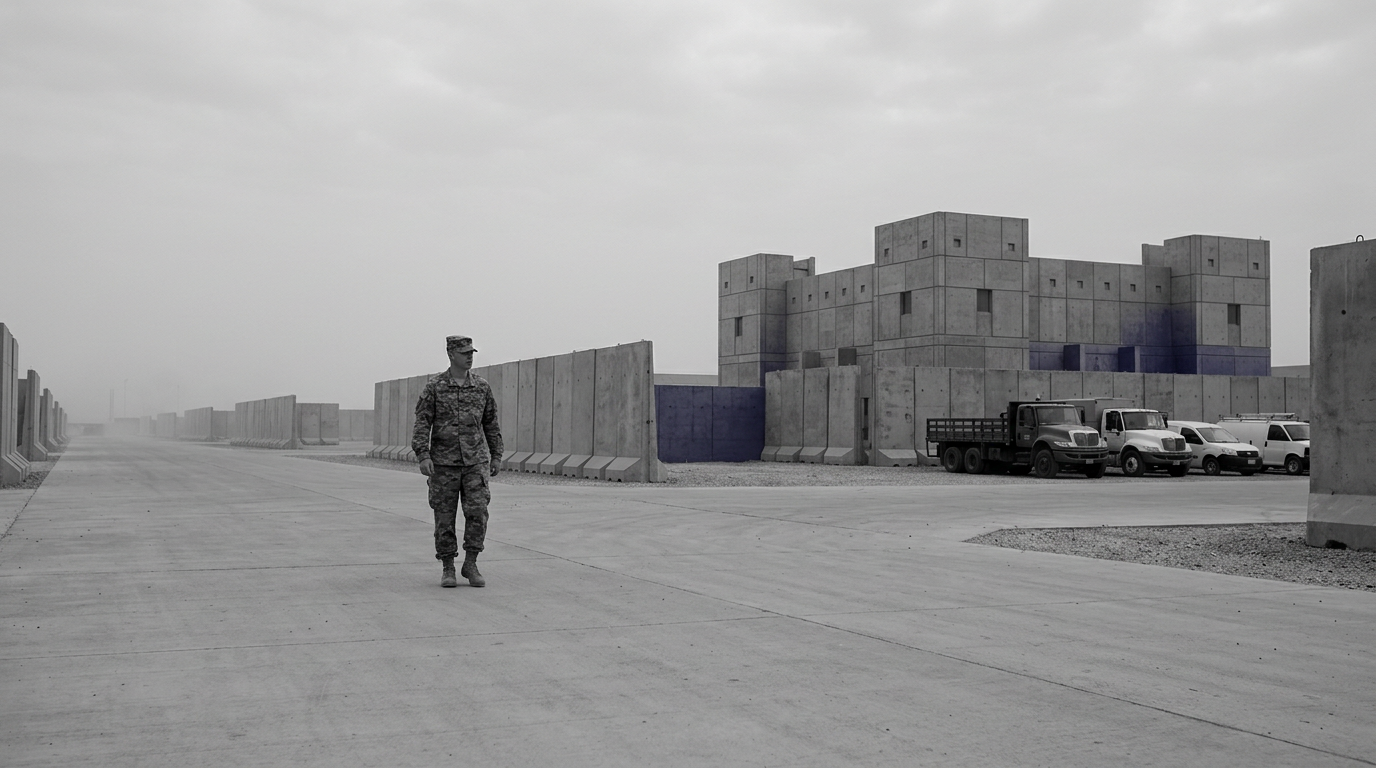
WASHINGTON — The U.S. Supreme Court ruled on Wednesday, April 22, 2026, that American military personnel may bring lawsuits against military contractors over injuries, including those suffered in combat zones. The Court said neither federal law nor the U.S. Constitution grants contractors immunity when negligence or mistakes are alleged to have harmed service members.
The decision arose from a case filed by Winston Henceley, a soldier who was severely injured at Bagram Airfield in Afghanistan in 2016. Henceley sued Fluor Corporation after a suicide bombing at the base, and lower courts had dismissed his claims before the Supreme Court took up the dispute.
In a 6-3 ruling, the Court reversed those lower-court decisions. Justice Clarence Thomas wrote the majority opinion, joined by Justices Sotomayor, Kagan, Gorsuch, Barrett, and Jackson. The majority concluded that contractors do not receive a blanket shield from civil liability simply because their work is connected to military operations.
The underlying incident involved a Taliban operative who was employed by Fluor Corporation, according to the case record described in the ruling. Officials said the operative detonated a suicide bomb at Bagram Airfield, killing five soldiers and wounding 17 others, including Henceley. The Army’s investigation concluded that Fluor Corporation was primarily responsible, citing negligence in hiring and supervision practices.
Justice Samuel A. Alito Jr. dissented. He argued that federal law should preempt state-law claims that, in his view, could intrude on the government’s authority over foreign affairs and the conduct of war. The dissent framed the lawsuit as the type of litigation that could interfere with decisions tied to overseas military operations.