Ghost Ships: A Rising Tide of Maritime Danger
Shadow fleet growth since late 2022 has driven more inspections and detentions in 2026, raising collision, spill, and security risks.
Lauren Collins ·
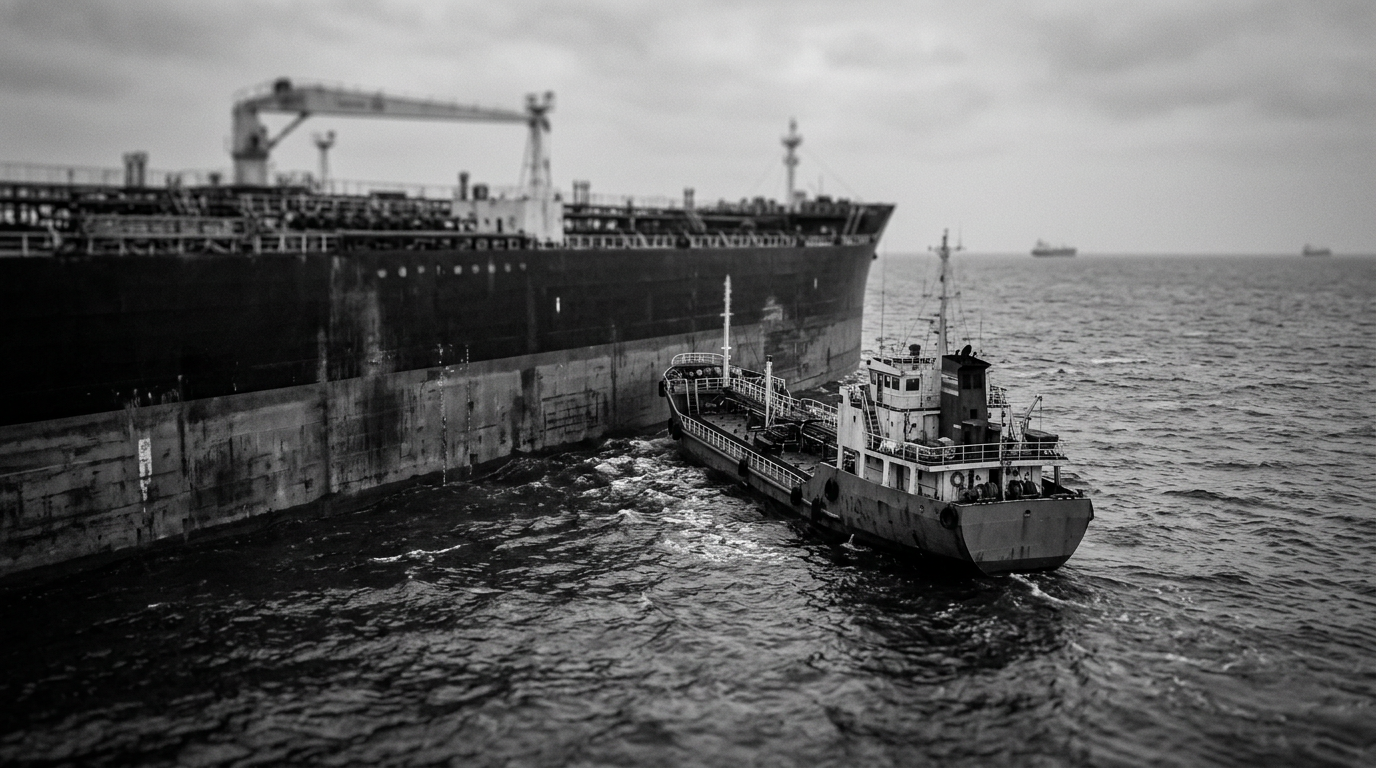
Shadow fleet expansion is reshaping maritime risk as a growing number of tankers operate outside standard regulatory and insurance frameworks, officials and industry sources have said. The fleet’s rapid growth since late 2022 has been linked primarily to the movement of sanctioned Russian oil and, more recently, Iranian cargo.
Countries including Baltic Sea nations, France, and India have increased inspections and detentions in 2026, according to the account, adding operational friction on key routes.
In response to the stepped-up scrutiny, Russian military escorts have accompanied these vessels through strategically sensitive waterways such as the English Channel and the Baltic Sea. The ships described as part of the shadow fleet are typically associated with opaque ownership structures, limited transparency around compliance, and the absence of international insurance.
The same descriptions also point to frequent concerns about vessel condition, which can raise the probability of accidents and complicate liability and cleanup if incidents occur.
Estimates cited in the source material show the scale of the expansion. The shadow fleet was put at roughly 200 ships before rising to more than 1,600 oil and product tankers operating in what was described as an “opaque market” by November 2023. By August 2025, broker BRS estimated 1,140 shadow oil tankers, representing over 18% of the global oil tanker fleet. These figures underscore how a parallel transport network has become a material share of global seaborne oil logistics.
What happened includes a series of incidents and warnings that have sharpened attention on the Baltic Sea in particular, described as a frequently used route. A Cook Islands-flagged shadow tanker, Eagle S, struck five undersea cables in the Gulf of Finland on December 25, 2024. The damage was linked to an estimated €60 million ($69 million) in repair costs for the EstLink 2 interconnector, according to the source material.
What it means is that the combination of higher traffic from poorly documented vessels and tighter enforcement can elevate risks ranging from collisions to environmental spills and broader challenges to maritime order. A February 2026 simulation by a German research center projected severe environmental consequences from a hypothetical 48,000-ton spill of Urals crude oil in the Baltic Sea.
Separately, Danish pilots have reported concerns about the deteriorating quality of seafarers on these vessels, pointing to potential safety and operational deficiencies that could affect navigation and incident response.
For global markets and politics, the developments connect sanctions enforcement, energy transport, and the security of critical maritime corridors. The increased inspections and detentions in 2026, alongside Russian military escorts through the English Channel and Baltic Sea, highlight how commercial shipping patterns can intersect with state actions in contested regulatory environments.
Key uncertainties include how inspection activity evolves across jurisdictions and whether safety concerns around vessel condition and crew standards translate into further disruptions or incidents on heavily trafficked routes.