US Strikes on Iranian Tankers Raise Gulf Shipping Concerns
US forces reportedly struck two Iranian state tankers near the Strait of Hormuz, escalating maritime tensions and raising global energy supply concerns.
Mateo Fernandez ·
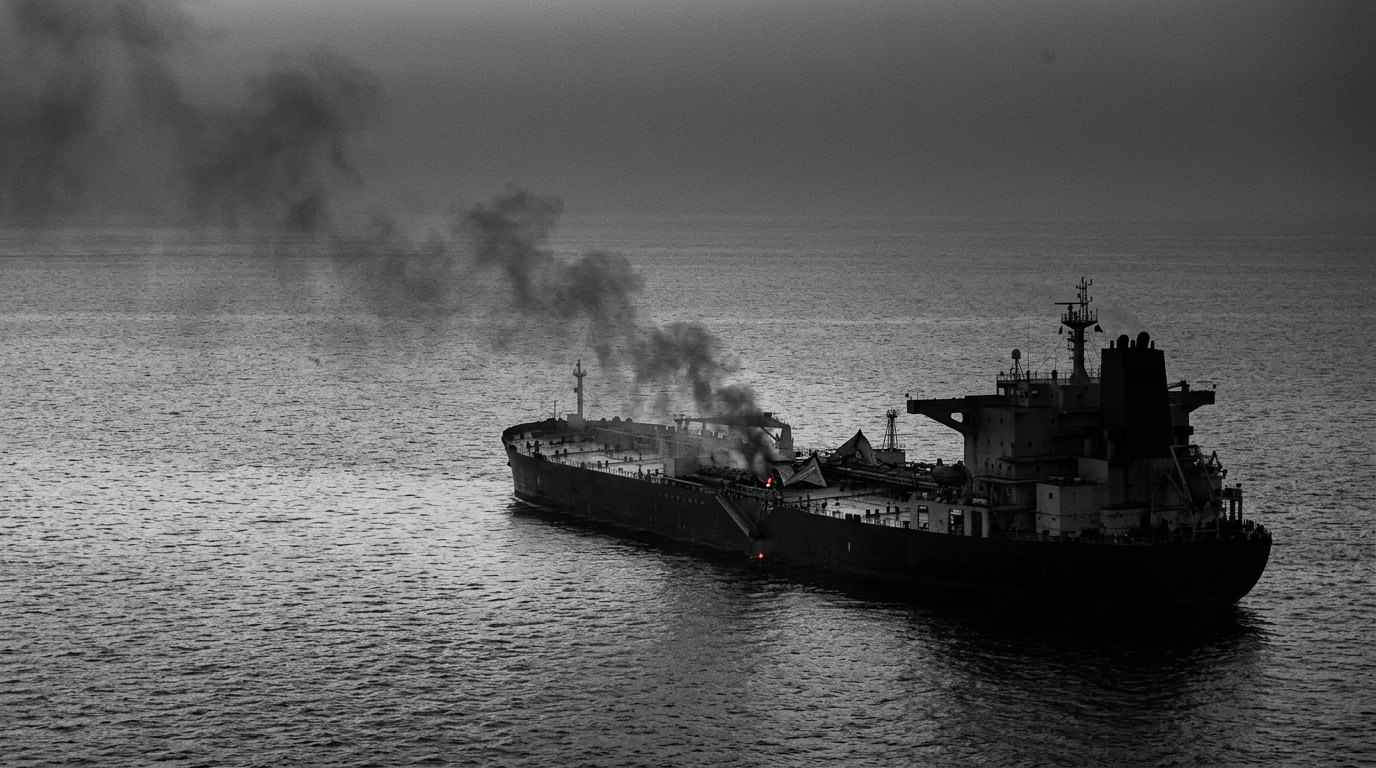
United States forces reportedly conducted strikes against two Iranian state-owned tankers situated near the critical Strait of Hormuz shipping lane. Officials confirmed these actions, indicating a new maritime phase in the ongoing conflict with Iran. The incident immediately heightened concerns about energy supply stability, though immediate reactions in crude oil markets were still developing.
These operations are described by officials as part of Washington's latest military engagements targeting Iran. The significance of these targets stems from the fact that tanker traffic constitutes the physical link between oil-producing nations in the Gulf and their global buyers. Any military intervention at sea has the potential to elevate insurance costs, complicate shipping routes, and reduce vessel availability, even before any physical loss of oil occurs.
Increased Pressure on Hormuz Shipping
The primary market concern extends beyond the potential loss of two vessels. It centers on whether these reported attacks will alter the perceived security of the Strait of Hormuz. This vital waterway is extensively used by energy shippers, refiners, and insurers to assess and price cargo risk. Should the confrontation remain confined to identified state-linked tankers, the immediate consequence may be an increase in risk premiums for exposed cargo and more stringent monitoring of shipping schedules within the Gulf region.
However, if Iran or its allied forces were to retaliate against commercial shipping, the dynamic would shift from political risk to direct physical disruption. Such a scenario would compel crude oil buyers to contend with potential delays, the necessity of rerouting vessels, or the search for alternative supply sources.
Broader Economic and Energy Implications
From a global macroeconomic perspective, a sustained increase in perceived oil risk would inevitably translate into higher fuel costs. This, in turn, could complicate inflation forecasts for importing nations around the world. For Iran, any damage to its state tanker capacity would impose additional logistical burdens on its oil export operations, further stressing an already constrained sector.
Within the broader energy industry, the next crucial indicator will be whether insurance providers, shipowners, and refining companies begin to modify their terms and conditions for cargoes that transit through the Strait of Hormuz. As of September 3, 2026, market participants will be closely watching for official confirmations regarding the condition of the tankers, the precise locations of the alleged strikes, and any subsequent changes in maritime shipping advisories issued by relevant authorities.
Historical Context of Gulf Tensions
The Strait of Hormuz, a narrow passage connecting the Persian Gulf with the Arabian Sea and the open ocean, is one of the world's most strategically important chokepoints. Roughly 20% of the world's total petroleum consumption, or about 21 million barrels per day, passes through this strait. Historically, it has been a flashpoint for international tensions, particularly involving Iran, which controls its northern coast.
Previous incidents, including attacks on tankers and seizures of vessels, have repeatedly underscored the fragility of maritime security in the region and its direct link to global oil prices and supply chain stability. The current reported strikes could further exacerbate an already volatile geopolitical landscape, demanding careful observation from international stakeholders.