U.S. strikes test Washington’s Iran strategy after troop deaths
Washington’s latest strikes against Iran-linked targets in Iraq and Syria mark a sharper phase in its effort to deter Tehran without triggering a wider…
Lauren Collins ·
# U.S. strikes test Washington’s Iran strategy after troop deaths
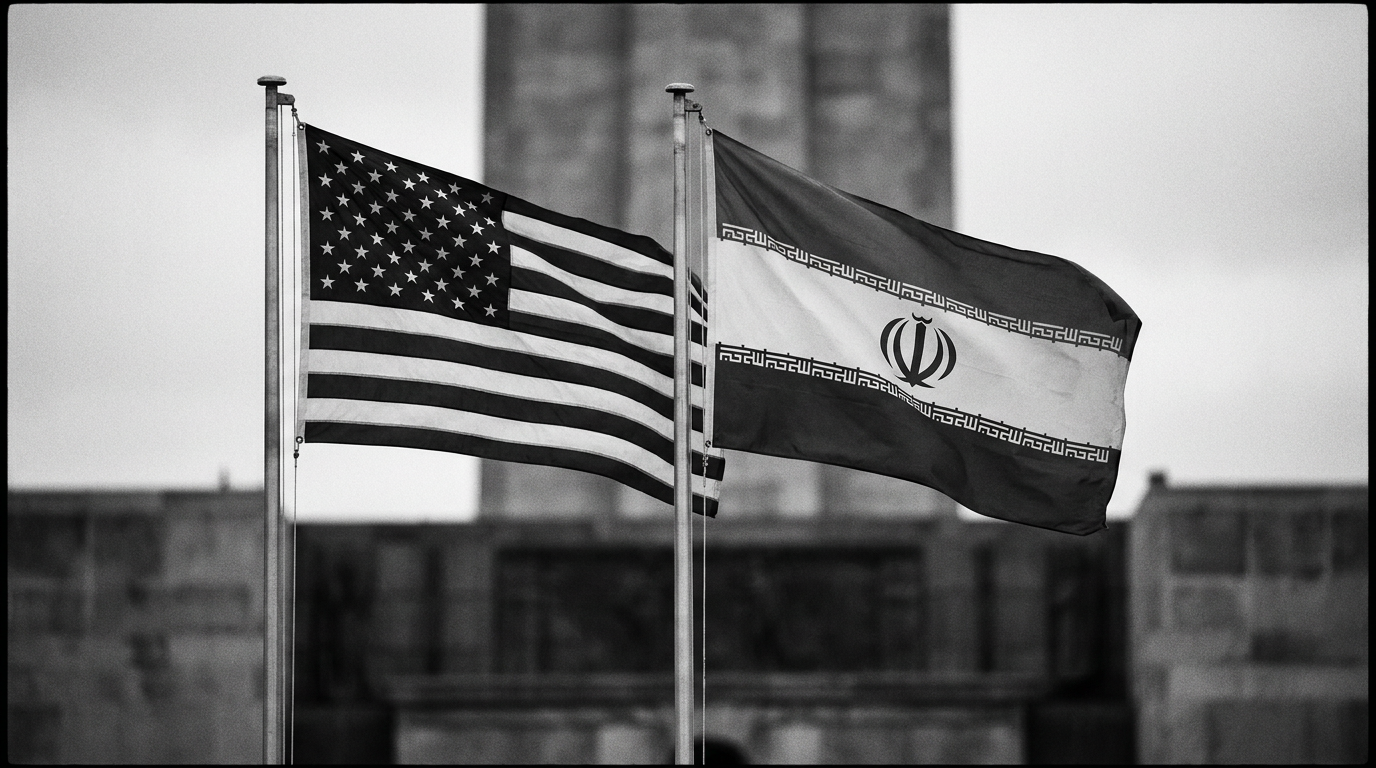
Washington has moved from warnings to retaliation, striking Iran-backed targets in Iraq and Syria after the deaths of American service members. The action puts the White House back in the narrowest lane of Middle East policy: punishing attacks on U.S. forces while trying not to open a direct war with Iran.
White House
The strikes also show how quickly last month’s reported pause in the U.S.-Iran confrontation has weakened. What had been framed as a route away from escalation now looks more like a temporary interruption in a conflict running through militias, bases, shipping lanes and diplomatic back channels.
The immediate trigger is the death of U.S. troops and Washington’s conclusion that Iran-backed forces were responsible or materially connected to the attacks. The United States has thousands of personnel deployed across the region, including in Iraq and Syria, where they support counter-ISIS missions and operate from bases that have become frequent targets during periods of U.S.-Iran tension.
Since the October 2023 Gaza war, the American military posture in the region has carried a second purpose beyond counterterrorism. The Pentagon has used air defenses, naval deployments and retaliatory strikes to protect U.S. forces and signal that Washington will not allow the Israel-Hamas war to expand into an uncontrolled regional fight.
That approach depends on deterrence
That approach depends on deterrence, a word that means convincing an adversary the cost of an attack will exceed any gain. In practice, the U.S. has tried to hit militia infrastructure, weapons sites and command nodes while avoiding strikes that would force Tehran to answer directly. The challenge is that Iran’s network gives it room to apply pressure through allied groups while denying full responsibility.
The reported collapse of an interim understanding matters because such arrangements are often less formal than treaties but still politically useful. They can include reduced attacks, prisoner issues, limits on certain nuclear steps, or quiet messages through intermediaries. When the violence resumes, both sides lose the political cover that allows them to claim restraint at home while lowering risk abroad.
For the White House, the political problem is now domestic as well as regional. If Washington responds too lightly, Congress and national security hawks will argue that U.S. troops have been left exposed. If it responds too broadly, critics will warn that the administration is drifting into another Middle East war without a fresh authorization from Congress.
The State Department and National Security Council will be focused on keeping channels open through partners that can talk to Tehran. The Pentagon’s priority is narrower and more immediate: reduce the capacity of armed groups to launch additional attacks and harden U.S. positions in Iraq, Syria and nearby waters.
Iran’s calculation is different. Tehran can absorb limited strikes on allied groups if they preserve leverage over Washington, Baghdad, Damascus and Israel. But if the U.S. hits assets that Iran views as central to the Revolutionary Guard’s regional network, the pressure to respond can rise quickly.
Iraq is especially exposed. The government in Baghdad has to manage U.S. security ties, domestic factions close to Iran, and public anger when foreign militaries use Iraqi territory as a battleground. Every U.S. strike there risks reopening debate over the future of the American presence.
Syria carries a different risk. The U.S. presence is smaller and tied to counter-ISIS operations, but its bases sit in a crowded battlefield involving Syrian government forces, Iranian-backed militias, Russian-linked elements, Kurdish partners and remnants of ISIS. A misread attack or a strike that kills the wrong personnel could widen the crisis faster than Washington intends.
The clearest test is whether the strikes produce a pause in attacks on U.S. personnel by August 31, 2026. If militia attacks fall and U.S. officials stop escalating target sets, Washington will argue that calibrated force restored deterrence; that would ease oil-market anxiety, preserve the U.S. regional posture and give Iraq and Syria’s fragile security arrangements more room to breathe. If attacks continue or become more sophisticated, the White House will face pressure to hit higher-value Revolutionary Guard targets, a path that would raise global energy risk, stretch U.S. military planning and push regional governments and defense industries into a more openly wartime posture.