Iran renews Gulf attacks after US strikes intensify
Iran and the US widened military pressure around Gulf states and the Strait of Hormuz, raising risks for shipping and energy trade.
Mateo Fernandez ·
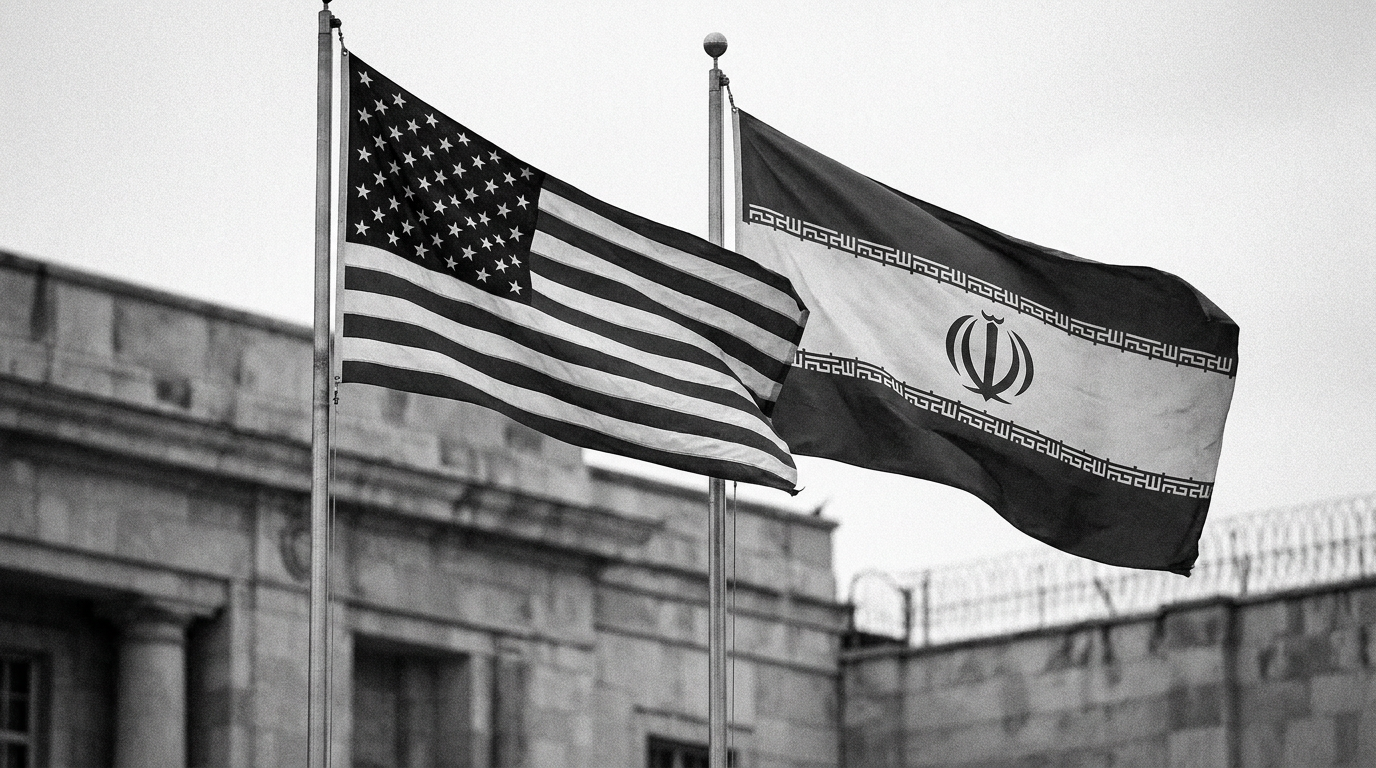
Iran renewed attacks on Gulf states on Saturday after another night of US strikes, widening a conflict that now reaches both regional targets and shipping traffic near one of the world’s most sensitive maritime corridors. Reaction pending.
Officials said both sides also took aim at vessels. US officials said they were enforcing a naval blockade, while Iranian authorities said they targeted ships that violated rules it set for navigation through the Strait of Hormuz.
Strait of Hormuz shipping risk
The clash puts the Gulf’s commercial sea lanes closer to the center of the conflict. The Strait of Hormuz is a critical passage for energy cargoes and regional trade, so any disruption can quickly feed into insurance costs, freight decisions and the willingness of shipowners to enter contested waters.
For Gulf states, the immediate risk is that military targets and maritime enforcement actions start to blur. If vessels slow, reroute or wait for escorts, the operational burden spreads from defense ministries to port operators, refiners, traders and shipping firms.
The macro channel is energy security rather than demand.
If the waterway remains open and attacks stay limited, markets may treat
the shock as a contained geopolitical premium. If enforcement expands or vessels are hit more frequently, the pressure would likely shift toward supply anxiety, higher transport risk and tighter regional liquidity.
The next 24 hours through Sunday, July 19, 2026, will be decisive for whether the confrontation remains a military exchange or becomes a sustained threat to Gulf shipping.