US strikes Iran again as Hormuz transit stalls
US forces hit Iranian coastal defenses and missile sites after a naval blockade was reimposed on Iranian ports.
Mateo Fernandez ·
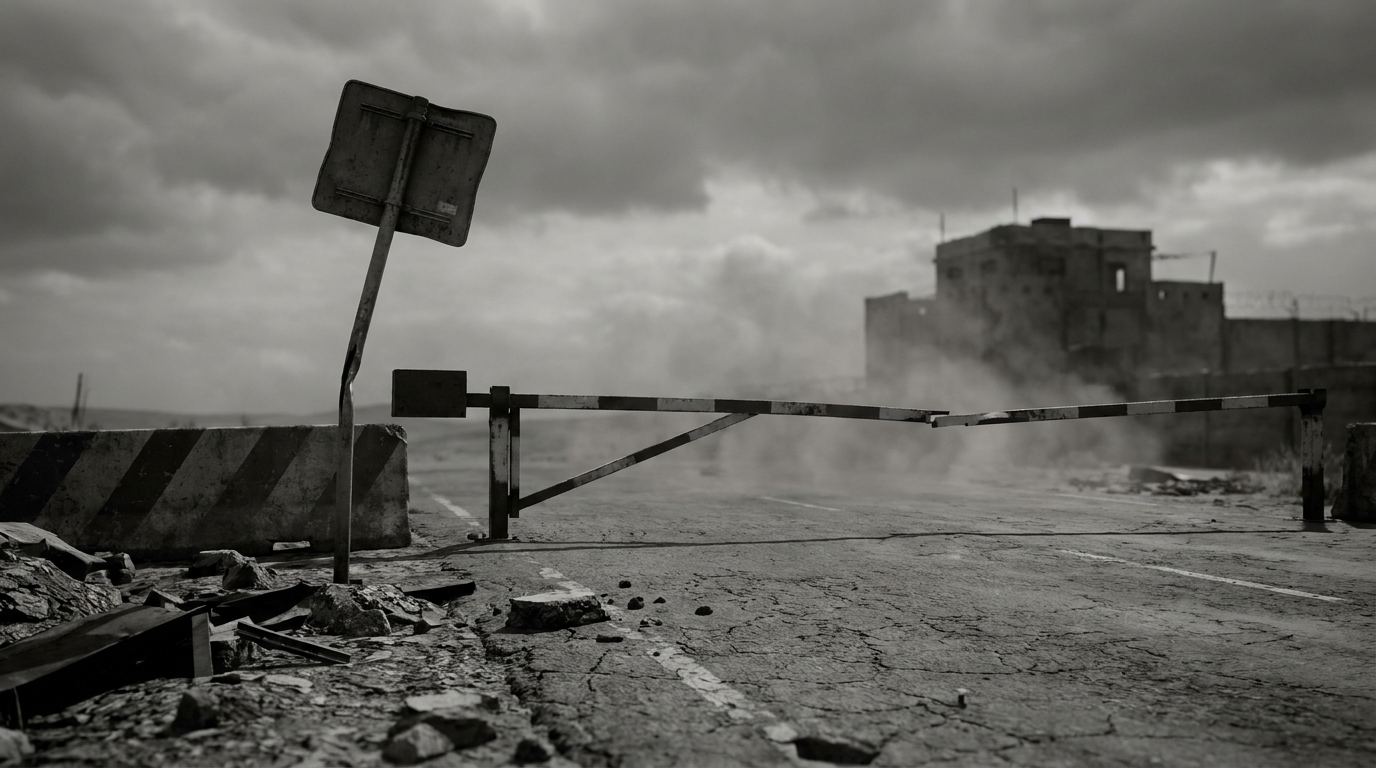
US forces struck Iranian coastal defenses and missile sites on Wednesday, officials said, widening a confrontation that is already disrupting shipping near the Strait of Hormuz. The strikes followed the reimposition of a naval blockade on Iranian ports and came as Tehran warned of further regional energy export disruptions.
Iranian officials described the conflict with the United States as an existential war. Military operations are preventing ships from transiting the Strait of Hormuz, a chokepoint for energy flows from the Gulf and a direct channel from military escalation to commodity-market stress.
Hormuz blockade threatens energy flows
The immediate risk is operational rather than rhetorical: if vessels cannot move through Hormuz, refiners, insurers and shipowners must price in longer delays, higher security costs and the chance of supply interruptions. Even without confirmed market moves, the blockade raises the probability of risk premiums across oil, shipping and regional credit.
For Washington, the strikes signal a willingness to target Iranian military infrastructure after maritime restrictions were restored. For Tehran, threats to regional energy exports create leverage but also raise the chance of broader retaliation against assets, bases or shipping lanes tied to US allies.
A full-scale war is still assessed as less likely than a contained escalation, according to analysts cited in the initial reports. The key mechanism is deterrence: both sides can inflict damage, but a wider conflict would threaten energy supply, regional governments and global inflation expectations.
By July 17, 2026, the next signal will come from shipping advisories, Iranian statements and any further US military notices; if Hormuz remains blocked, energy-market pressure is likely to intensify.