US strikes Iran as Tehran targets Gulf states
The new exchange threatens an interim deal aimed at ending the war and raises the risk of wider Gulf involvement.
Mateo Fernandez ·
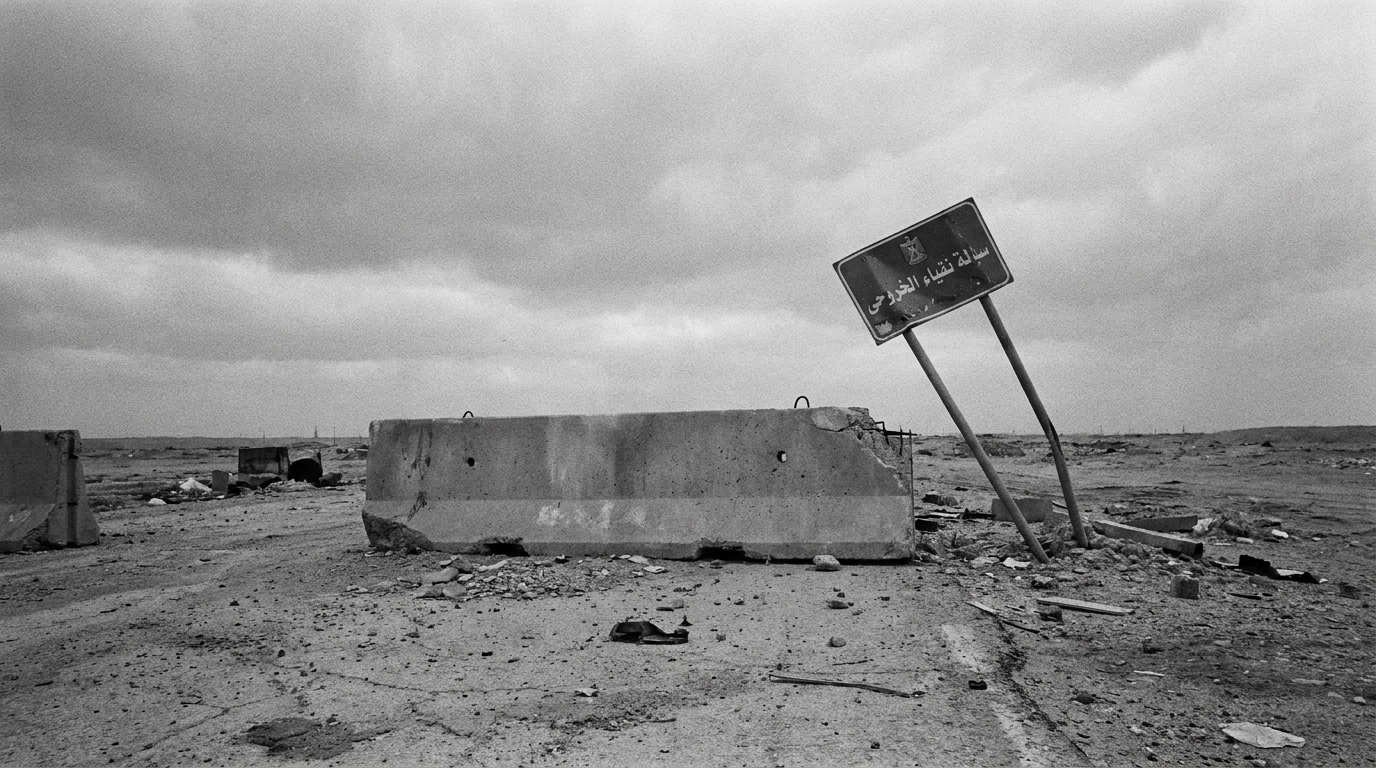
The United States launched new airstrikes against Iran early Thursday, and Tehran responded by targeting Bahrain, Kuwait and Qatar, officials said. Reaction pending. The exchange widened the immediate geography of the conflict and put fresh pressure on an interim deal that officials said was intended to help end the war.
The strikes matter because Gulf Arab states sit close to the military, energy and trade corridors that would be exposed if the conflict spreads. Officials did not immediately provide details on damage, casualties or the specific targets hit in Iran or the Gulf states.
Gulf states enter the crossfire
Iran’s response moves Bahrain, Kuwait and Qatar from diplomatic and security risk into direct crossfire, at least for this phase of the confrontation. That raises the stakes for governments hosting critical infrastructure and for companies operating across regional aviation, shipping, energy logistics and insurance.
If the exchange remains limited, the interim deal may still function as a channel for restraint, with global macro impact concentrated in risk pricing and regional security costs. If attacks broaden across Gulf territory, the mechanism changes: governments would likely tighten defenses, companies could reassess regional operations and the wider energy and transport sectors would face higher disruption risk.
The central uncertainty is whether the latest strikes are treated by both sides as controlled retaliation or as a reason to expand the war. By July 10, 2026, officials’ next public statements and any further military activity will show whether the interim deal still has operational value.