US strikes Iran again as UN warns on escalation
António Guterres urged restraint after fresh US strikes and Iranian attacks raised the risk of a wider regional conflict.
Mateo Fernandez ·
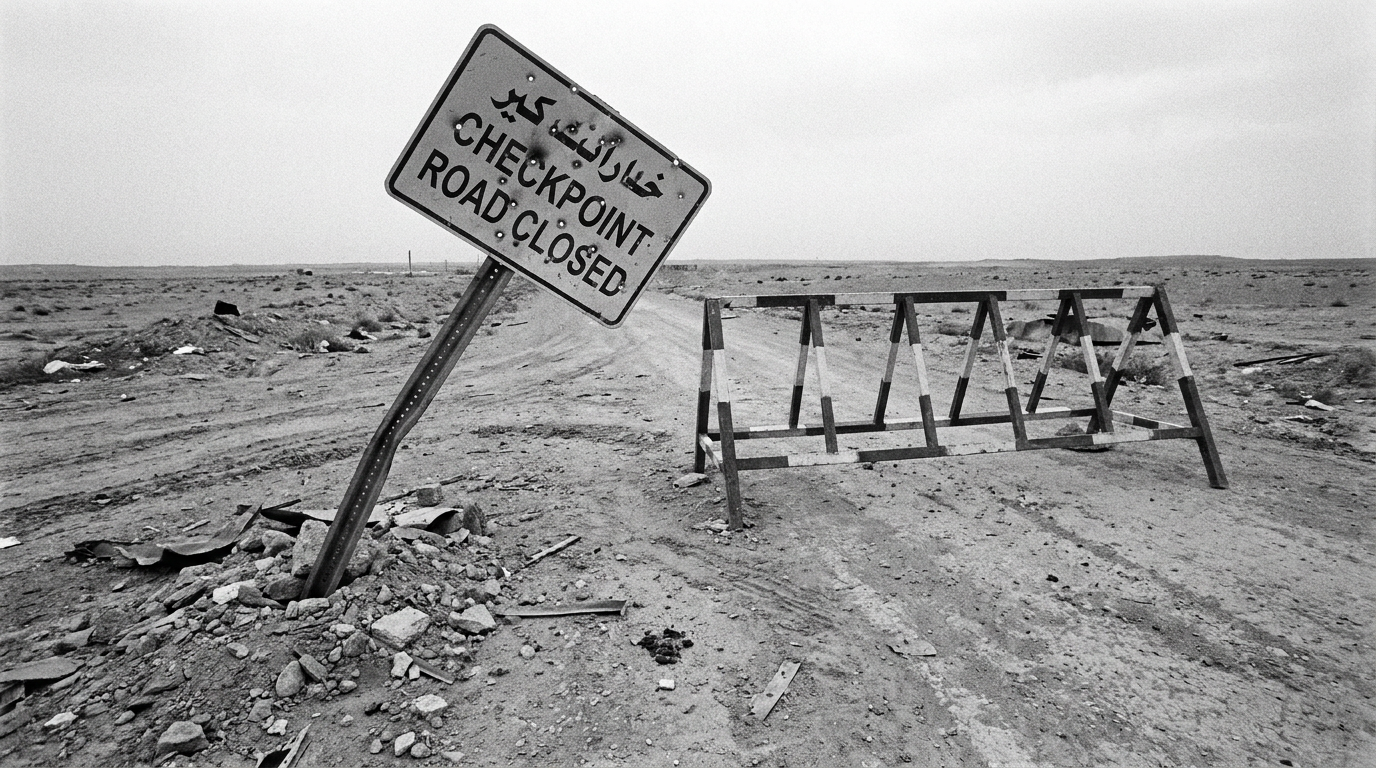
The United States launched a new round of strikes on Iran on Sunday, July 12, after earlier attacks tied to commercial shipping in the Strait of Hormuz. Reaction pending. The escalation drew a warning from UN Secretary-General António Guterres, who urged Washington and Tehran to avoid further military action.
Guterres said a return to full-scale fighting would carry “catastrophic consequences” for the region and the global economy, according to a statement issued by his spokesperson. He said he was “deeply concerned by the serious escalation” and called on both sides to exercise maximum restraint and take immediate steps to de-escalate.
Hormuz closure raises shipping risk
Officials said the latest US attack was aimed at degrading Iran’s ability to strike commercial shipping vessels. Iran had said on Saturday that the Strait of Hormuz was closed until further notice, citing US intervention in the region.
The waterway is central to energy markets because around 20% of global oil trade passes through it. A sustained closure would threaten tanker flows, lift insurance and freight costs, and increase pressure on energy importers already exposed to Middle East supply risk.
Iran responded early Sunday with strikes targeting major US allies in the region after saying the prior US action violated a ceasefire agreement. If both sides keep attacks limited, the macro effect may be concentrated in oil risk premiums and shipping costs. If strikes widen, the pressure could spread into inflation expectations, defense assets and regional credit risk.
By July 13, 2026, the critical signal will be whether US, Iranian or regional officials announce new military operations or accept a pause in attacks.