US strikes Iran again as Trump weighs wider offensive
Fresh US strikes on Iran raise escalation risk as Washington weighs whether to expand the campaign.
Mateo Fernandez ·
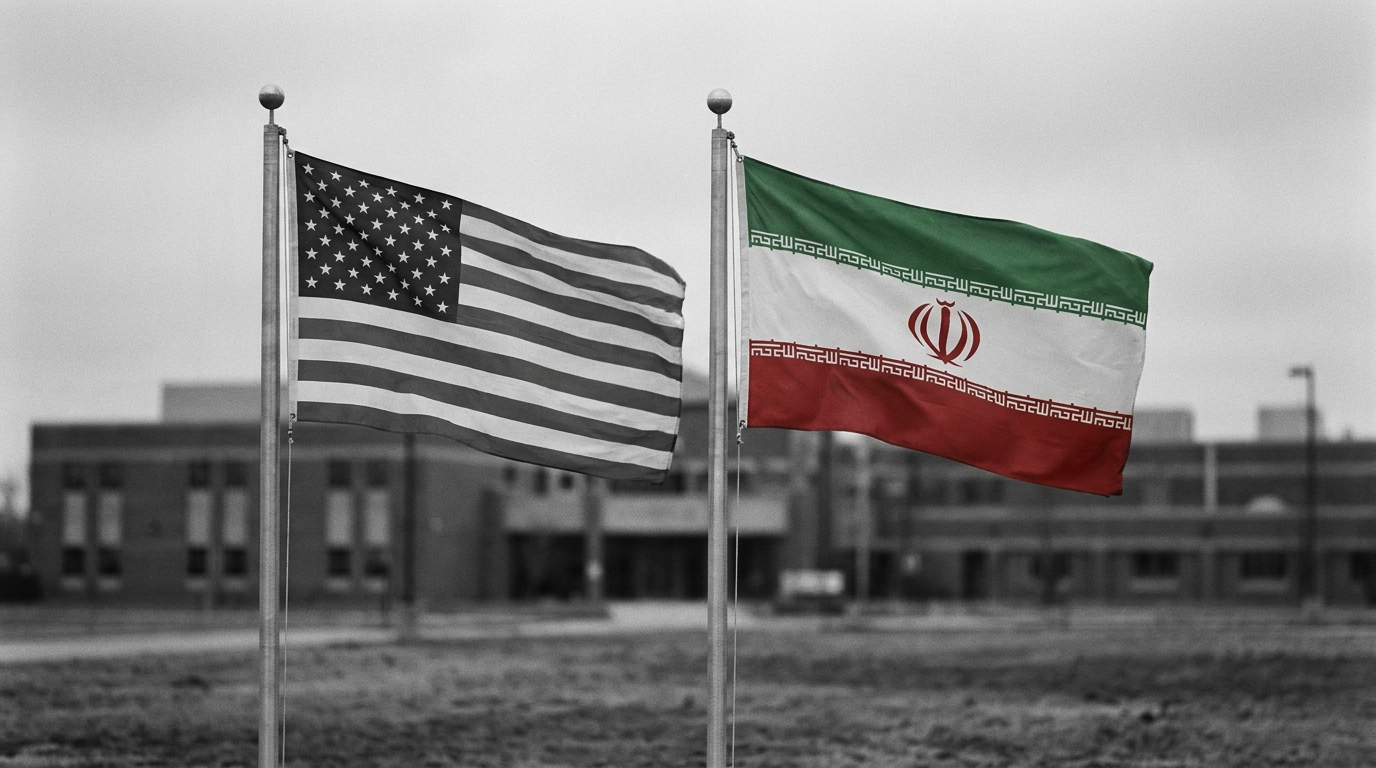
The US launched fresh strikes on Iran on July 15, 2026, while President Donald Trump weighed whether to order a broader military campaign. Reaction pending. The new action raises the risk that a confrontation already centered on US-Iran hostilities could move into a more dangerous phase for regional security, energy routes and allied military planning.
Trump weighs Iran campaign
Officials have not provided enough public detail to confirm the targets, the scale of damage or whether there were casualties. That leaves the immediate assessment focused on escalation mechanics: whether Iran responds directly, uses allied armed groups, targets regional assets or seeks to keep the exchange contained.
For markets and governments, the central risk is the path
from limited strikes to a wider conflict.
If the US keeps the operation narrow and Iran limits
retaliation, the global effect could remain concentrated in risk premiums tied to oil, shipping and regional security. If Washington expands the campaign, the pressure would shift toward supply routes, military deployments and diplomatic coordination among US allies.
The sector most exposed is energy logistics, because any widening of hostilities near Gulf shipping lanes can force insurers, refiners and traders to reprice disruption risk quickly. Defense contractors and cybersecurity providers could also face renewed attention if the conflict broadens into air defense, surveillance or network attacks.
The next signal is expected by July 16, 2026, when markets and governments will be watching for official US details on targets and any Iranian response.