US strikes Iran for third night as tanker attack kills crewman
US attacks on Iran and a fatal tanker incident sharpened Strait of Hormuz risks for energy shipping and regional security.
Mateo Fernandez ·
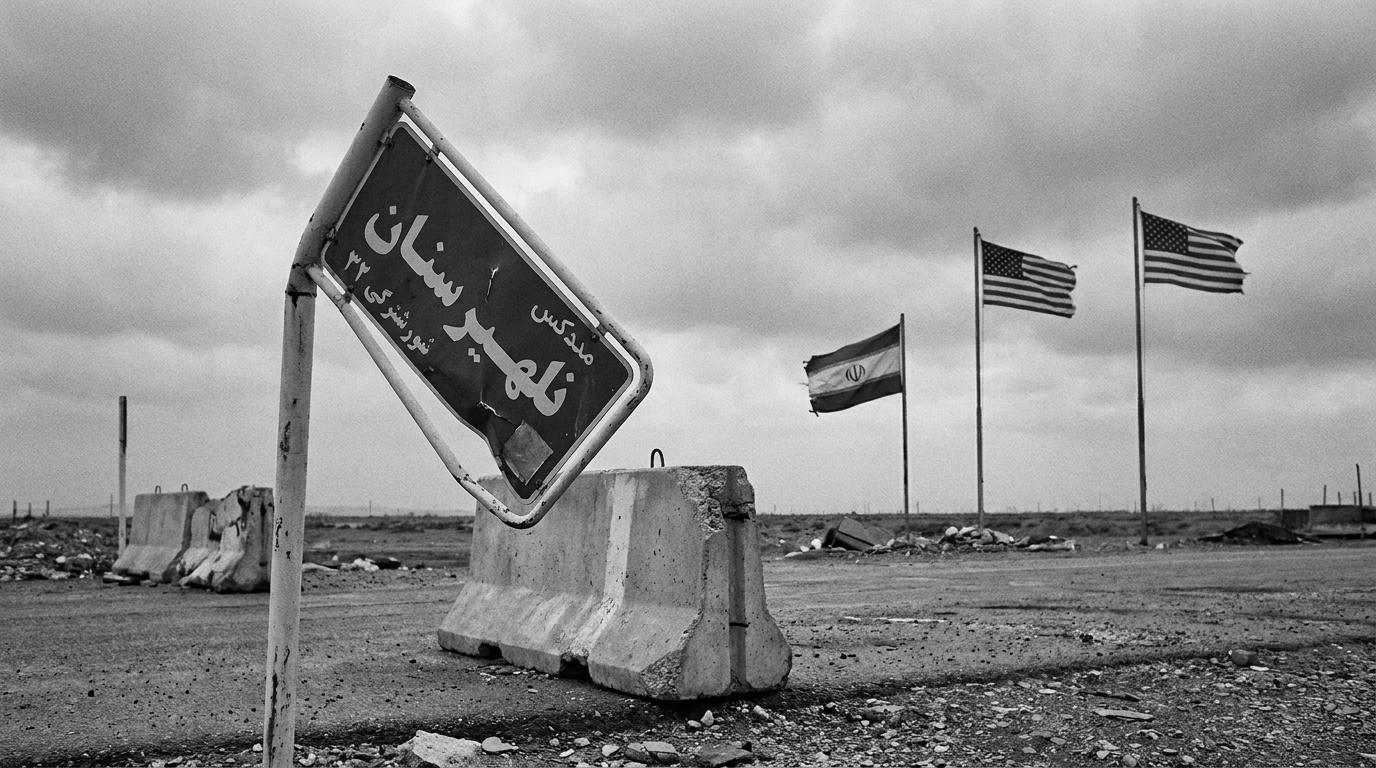
Officials said the US launched a third consecutive night of strikes on Iran on July 14, 2026, deepening a conflict that now also carries a direct maritime-security shock. Market reaction was pending across oil, shipping, haven assets and regional risk gauges after reports that an Indian crew member was killed in an attack involving UAE-linked tankers near the Strait of Hormuz.
Hormuz risk hits tanker routes
The Strait of Hormuz is the immediate pressure point because any threat to vessels there can affect insurance costs, freight rates and energy supply planning. A fatal crew incident raises the risk that shipowners, charterers and governments will reassess transit procedures even before any formal closure or restriction is announced.
For the US, another night of strikes signals a widening operational tempo rather than a single retaliatory action. For Iran, the key question is whether any response stays military and contained, shifts toward maritime disruption, or pulls regional partners into a broader chain of retaliation.
If shipping continues without major interruption, the global macro effect may be limited to a risk premium in oil and defense assets; the company-level effect would fall hardest on operators with vessels, cargoes or insurance exposure near Hormuz; the wider industry would focus on routing, war-risk cover and crew safety. If attacks intensify near the waterway, the mechanism changes: higher freight and energy costs could feed inflation expectations, pressure importers and force refiners and traders to secure alternate supply.
The immediate window to watch is the next 24 hours on July 14, 2026, for official casualty details, any shipping advisories, and signs of retaliation around Gulf energy infrastructure.