U.S. presses Iran for public Hormuz guarantee as shipping risk rises
Washington seeks a public Iranian pledge to keep the Strait of Hormuz open, a narrow demand with major impacts on oil markets and U.S. diplomacy.
Lauren Collins ·
# U.S. presses Iran for public Hormuz guarantee as shipping risk rises
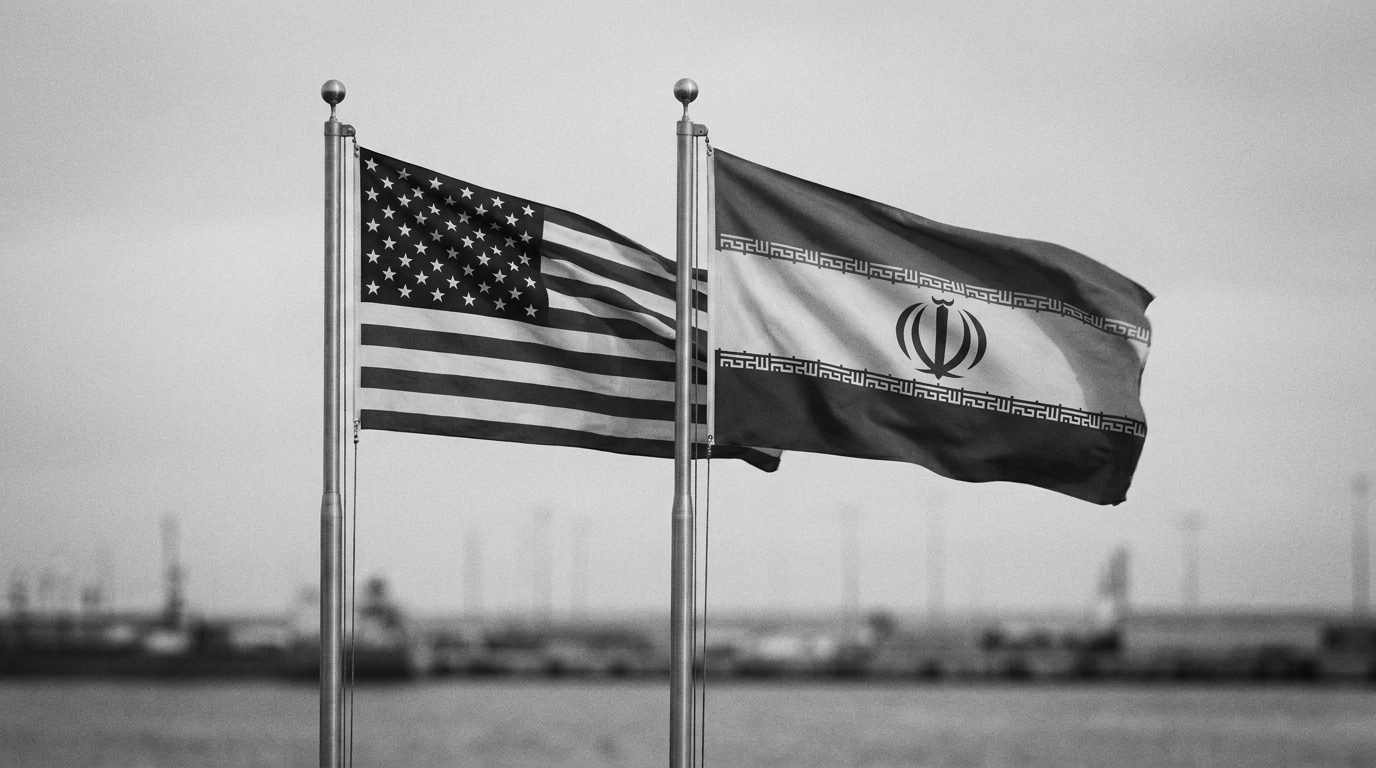
Washington has reportedly demanded that Iran publicly declare the Strait of Hormuz open and pledge not to attack ships moving through the waterway. The request turns a familiar U.S. message about freedom of navigation into a specific diplomatic test: whether Tehran is willing to say, in public, that it will not threaten one of the world’s most sensitive maritime corridors.
It is the sea lane that connects the The demand matters because Hormuz is not just a regional chokepoint. It is the sea lane that connects the Persian Gulf to global energy markets, and any credible threat there can move quickly from military signaling to insurance costs, tanker routing decisions and fuel-price pressure felt far from the Gulf.
For the White House, the immediate aim is de-escalation without appearing to concede leverage. For the State Department, a public Iranian statement would create language that diplomats could point to if incidents continue. For the Pentagon, it would help distinguish between political rhetoric and operational risk as U.S. commanders decide how visibly to patrol the Gulf.
The Strait of Hormuz is the narrow passage between Iran and Oman through which Gulf producers reach the Arabian Sea and wider global markets. For non-specialists in Washington, it is often described as a chokepoint because there are few practical alternatives if traffic there is disrupted at scale. Even when ships keep moving, threats in the area can raise the cost of insurance, harden naval postures and make energy traders price in a risk premium.
Iran has long treated Hormuz as both a Iran has long treated Hormuz as both a security vulnerability and a source of leverage. When pressure rises over sanctions, nuclear diplomacy or regional conflict, Iranian officials and affiliated forces have at times used maritime warnings, vessel seizures or close encounters at sea to signal that Iran can impose costs beyond its own borders. The U.S. response has typically combined naval deployments, allied coordination and warnings that commercial shipping should not become a bargaining chip.
That is why the wording of the latest reported U.S. demand is important. Washington is not only asking Iran to stop short of disruption; it is asking Tehran to make a public commitment. A private assurance could calm a few governments. A public one would give the White House, Congress and U.S. partners a standard against which to judge Iran’s conduct, and it would make any later incident harder for Tehran to frame as ambiguity or misunderstanding.
The demand also sits inside a broader U.S.-Iran stalemate. Talks over limits on Iran’s nuclear program have failed to restore the old diplomatic channel that once structured much of the relationship. Sanctions remain central to U.S. policy, while Iran has expanded its regional influence through partners and aligned armed groups. In that environment, a maritime pledge is not a grand bargain. It is a narrower instrument aimed at keeping one pressure point from igniting a larger crisis.
Inside Washington, the players read the same demand through different priorities. The National Security Council would view a public guarantee as a crisis-management tool, especially if the White House wants to avoid a military spiral. The State Department would see a potential opening for coordination with Gulf states, European allies and Asian energy importers. The Pentagon would focus on whether Iran’s naval and paramilitary behavior changes in ways U.S. forces can observe.
Congress is likely to press for a harder line if Tehran refuses. Lawmakers skeptical of diplomacy with Iran often argue that public threats to shipping should trigger more sanctions, more interdictions and a larger U.S. naval presence. Others will ask whether the administration is trying to prevent escalation while keeping enough pressure on Iran to deter seizures and harassment.
The market channel is just as important as the military one. Oil
and gas buyers do not need a full closure of Hormuz to react. A small number of incidents can cause insurers, shipowners and refiners to adjust risk calculations. If Washington can obtain a public Iranian guarantee and pair it with steady patrols, the administration may buy time for markets and regional governments.
If the demand is rejected, the opposite signal travels quickly
the Gulf remains exposed to political shocks that can become commercial shocks.
For Iran, the choice is more complicated than simply saying yes or no. A public pledge could ease pressure and make Tehran look responsible to countries that still buy or facilitate its trade. But it could also be portrayed domestically as giving up a deterrent. Iranian leaders have often used ambiguity as leverage, and Washington’s demand is designed to reduce that ambiguity.
The clearest test is whether Iran issues an explicit, official statement saying the Strait of Hormuz will remain open and that commercial ships will not be attacked. If Iran does so by 2026-07-17 and maritime incidents decline, Washington can argue that a focused demand lowered regional risk without a new formal agreement; that would help the White House, reduce pressure on the Pentagon to escalate and calm the shipping sector. If Iran rejects the demand, answers with conditional language or incidents continue, the administration will face a harder choice: increase naval visibility and sanctions pressure, or keep seeking a narrow diplomatic off-ramp while markets price in a higher Gulf risk premium.