US strikes Iran again as Hormuz attacks widen
US forces hit Iran for a ninth straight day as ship attacks in the Strait of Hormuz and Iranian strikes on Gulf bases raised regional risk.
Mateo Fernandez ·
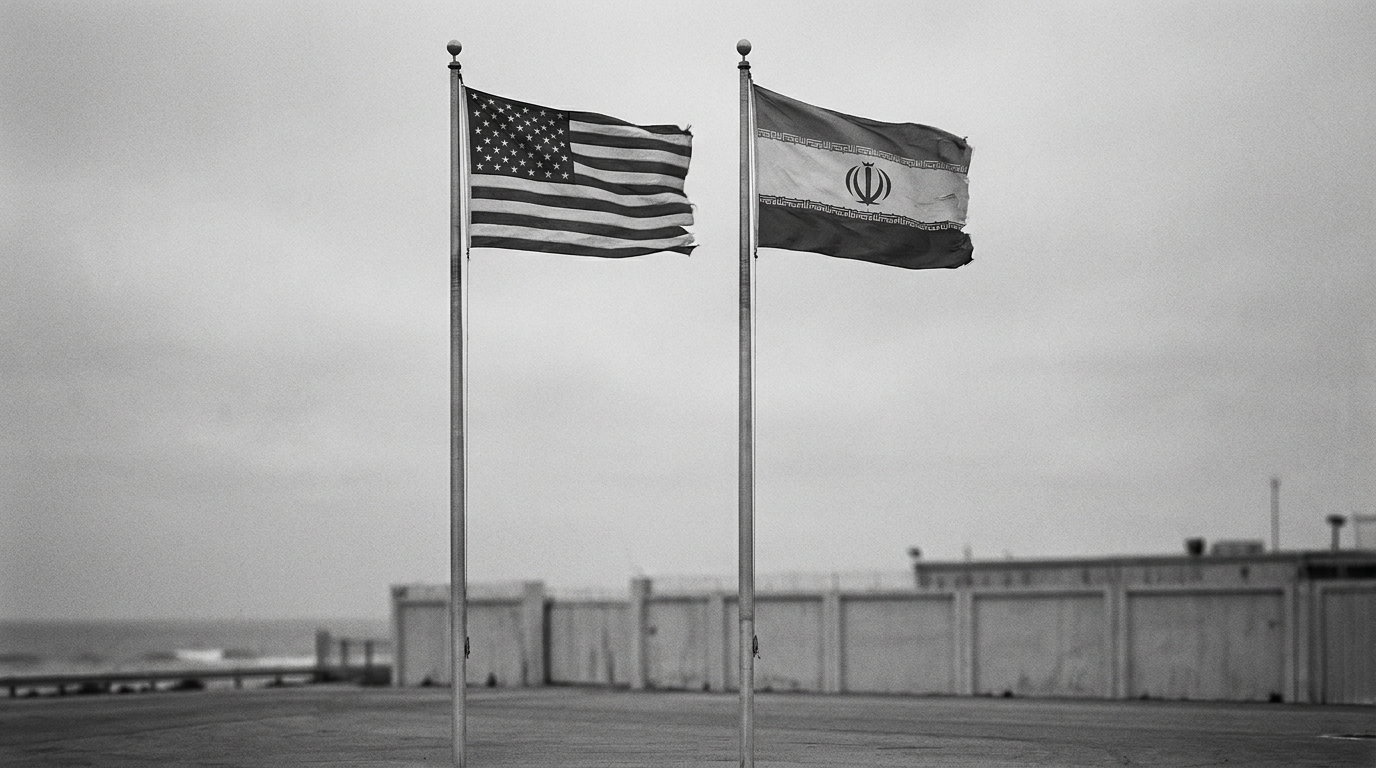
The United States carried out another wave of strikes in Iran on Monday, marking the ninth consecutive day of attacks, officials said. The fighting has now killed three US personnel, while more ships were targeted in the Strait of Hormuz, the narrow Gulf passage that anchors a large share of seaborne energy trade.
Officials said Iran responded by targeting US military assets in Bahrain and Kuwait. Bahrain hosts the US Navy's 5th Fleet, making any strike there a direct test of US force protection in the Gulf and a potential trigger for wider military operations.
Hormuz attacks widen Gulf risk
The immediate risk is no longer limited to land targets inside Iran. Attacks on ships in the Strait of Hormuz bring commercial shipping, insurance pricing and energy logistics into the conflict zone, even before any confirmed disruption to oil or gas flows.
For Washington, the death toll raises pressure to sustain or expand operations while limiting exposure at regional bases. For Tehran, strikes on US assets in Bahrain and Kuwait signal an attempt to widen the cost of US action without necessarily declaring a broader regional war.
The macro channel is energy and risk sentiment. If Hormuz traffic stays open, the effect may remain concentrated in defense posture, shipping costs and regional assets. If attacks begin to slow transit, the shock would feed through crude prices, inflation expectations and safe-haven demand.
The next 24 hours through July 21, 2026, will be critical for confirming whether ship targeting remains sporadic or becomes a sustained campaign against Gulf transit.