Washington weighs Iran mediation claim as Baghaei says talks continue
Iranian official Baghaei says mediators are working to prevent escalation with the U.S., balancing public pressure with backchannel diplomacy.
Lauren Collins ·
# Washington weighs Iran mediation claim as Baghaei says talks continue
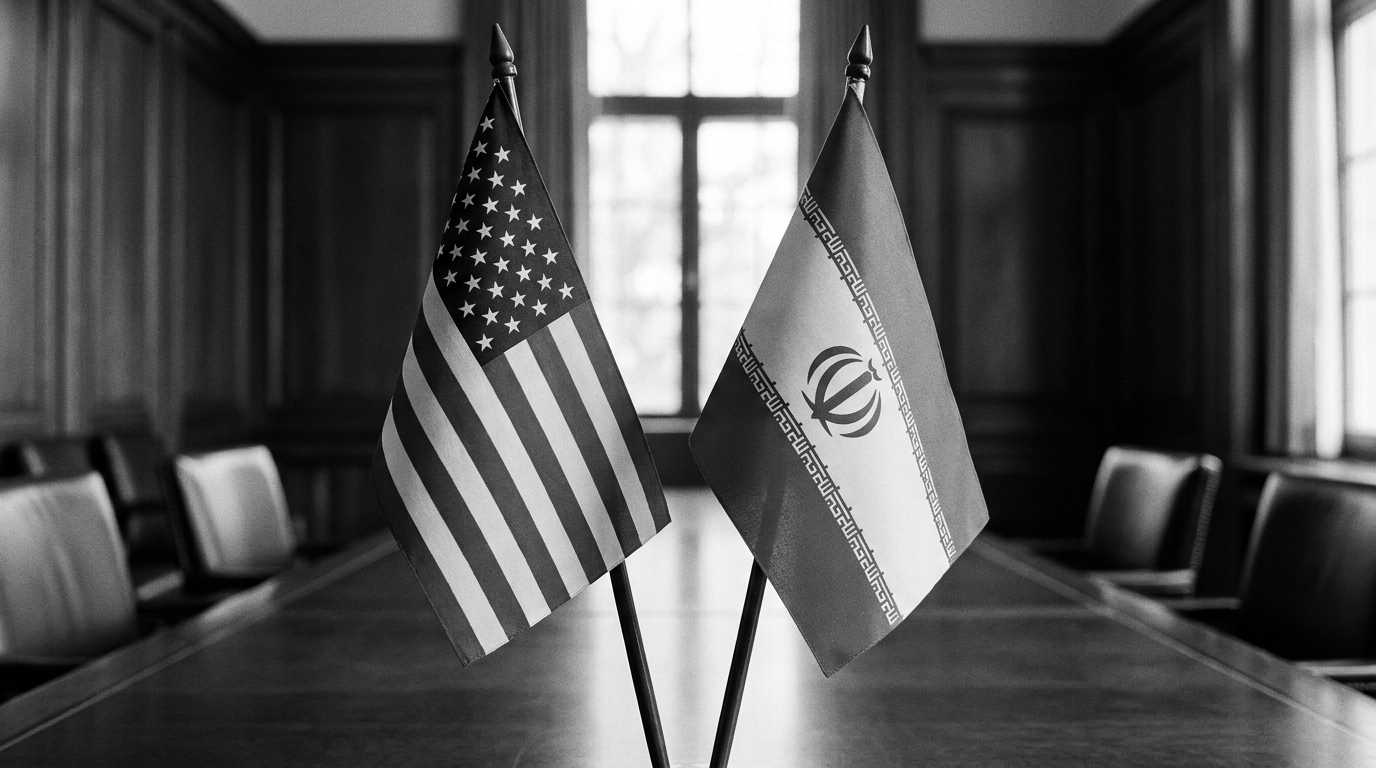
WASHINGTON, July 20. Washington faced a fresh reminder that its Iran policy often runs on two tracks after Iranian official Baghaei said mediators are still trying to keep tensions from rising. Baghaei said, "The principle of the matter is clear: mediators are working and trying to prevent tension from escalating," while also accusing the United States of having "no excuse" to violate a memorandum of understanding.
commanders responsible for forces exposed across the Middle
U.S. officials have not publicly confirmed the mediation described in the provided source material. That gap matters: in Washington, the difference between acknowledged diplomacy and deniable contact can shape the reaction from Congress, regional allies and U.S. commanders responsible for forces exposed across the Middle East.
The United States and Iran have not had normal diplomatic relations for decades, so crises are often managed through intermediaries rather than direct talks. Oman and Qatar have played that role in past U.S.-Iran contacts, giving both sides a way to test messages without the political cost of a public negotiation.
The current pressure points are wider than the nuclear file. U.S. forces have faced threats from Iran-aligned militias in Iraq and Syria, commercial shipping has been hit in the Red Sea by the Houthis in Yemen, and Israel’s conflict with Iranian-backed groups has kept Washington alert to the risk of a broader regional fight.
For the White House
For the White House, the immediate goal is usually not a grand bargain. It is crisis control: prevent attacks on U.S. personnel, keep maritime routes open, reduce the chance of a direct U.S.-Iran clash and preserve military bandwidth for other priorities, including support for Ukraine and Israel.
Baghaei’s reference to a memorandum of understanding adds a harder edge, but the details are not clear from the provided material. A memorandum of understanding is typically a political or technical arrangement rather than a full treaty; without the text, date or parties, Washington cannot be assessed as having breached it on the basis of the claim alone.
That uncertainty is exactly why the phrasing will be parsed inside the State Department, the National Security Council and on Capitol Hill. If Tehran is invoking mediation while accusing Washington of bad faith, it may be trying to preserve a diplomatic lane while raising the price of U.S. pressure in public.
Congress is the domestic constraint. Iran hawks in both parties tend to treat indirect contacts as concessions unless they produce visible limits on Iranian activity. Administration officials, by contrast, often argue that backchannels are a tool of force protection, not a reward to Tehran.
The Pentagon has a narrower test: whether regional forces face fewer attacks and whether U.S. deterrence still holds. If mediation reduces militia fire or maritime disruption, commanders gain room to avoid retaliatory spirals. If it does not, the argument for military response grows stronger.
Sanctions remain the main public instrument of U.S. policy. Washington has used financial restrictions, export controls and enforcement actions to squeeze Iranian revenue and constrain entities tied to the state and security apparatus. Iran’s counterargument is that sanctions and military pressure prove the United States is not negotiating in good faith.
That is the core tension in the Baghaei remarks. Tehran is signaling that intermediaries are active, but it is also framing the United States as the side that broke an understanding. Washington’s silence, if it continues, lets U.S. officials preserve deniability while avoiding a fight over whether talks are happening at all.
The regional stakes are practical, not abstract. A breakdown in quiet messages could raise risks for U.S. troops in Iraq and Syria, shipping in the Red Sea and Israel’s northern and eastern security fronts. A functioning channel could help both sides distinguish intended deterrence from steps that invite retaliation.
The macro effect would run through energy and shipping risk. A calmer U.S.-Iran channel would reduce fears of disruption around key Middle East routes and lower the premium attached to regional escalation. A failed channel would not automatically trigger a wider war, but it would make oil, insurance and freight markets more sensitive to each new attack.
For Iran, the mediation claim serves several audiences at once. It tells domestic listeners that Tehran is not isolated, tells intermediaries that their role remains relevant and tells Washington that pressure carries diplomatic costs. It also gives Iran space to deny that any quiet contact amounts to retreat.
For Washington, the calculation is equally layered. Publicly confirming indirect engagement could invite criticism from lawmakers who oppose concessions to Iran. Refusing all contact could leave U.S. officials with fewer tools if a militia strike, maritime attack or Israeli-Iranian exchange pushes the region closer to direct confrontation.
By August 30, 2026, the clearest test will be whether public U.S. language shifts toward phrases such as restraint, indirect engagement or constructive messages while attacks on U.S. interests and Red Sea shipping decline. If both happen together, Baghaei’s claim of active mediation will look consistent with a working de-escalation channel; if attacks intensify or U.S. officials explicitly rule out mediation, the claim will look more like public positioning than a functioning diplomatic track.